Al Jazeera
centerDEVELOPINGUS strikes Iran for second day: Is it a violation of war powers resolution?

Full BriefGenerated 3h ago
What Happened
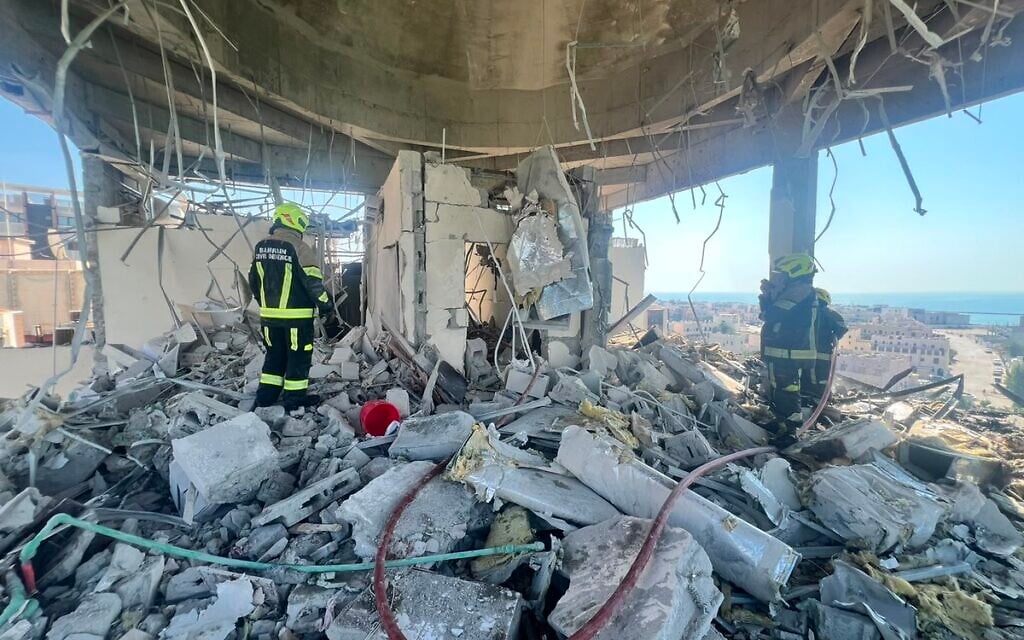
The United States conducted a second night of strikes on Iranian military sites on June 21, 2025, after accusing Tehran of targeting a vessel in the Strait of Hormuz. The strikes occurred days after Congress passed a war powers resolution directing President Trump to remove U.S. forces from hostilities against Iran unless explicitly authorized by Congress. In retaliation, Iran hit U.S. military sites in Bahrain and Kuwait on June 22, as the two sides exchanged strikes for a second time over the weekend. The escalation threatens a fragile U.S.-Iran memorandum of understanding (MoU) signed on June 15, which called for an end to hostilities on all fronts. Democratic Representative Ro Khanna condemned the latest U.S. attacks as 'a blatant violation' of the congressional resolution and threatened legal action against Trump. The White House dismissed the resolution as insignificant, claiming no hostilities existed since an April 7 ceasefire, but the new strikes contradict that assertion. The Senate resolution, which passed 50–48 on June 17 with four Republicans crossing party lines, is nonbinding. A day later, after Trump berated defectors, a similar resolution was rejected 47–50.
Key Actors
- ·U.S. Central Command (CENTCOM)(U.S. military command responsible for operations in the Middle East)Conducted strikes on Iranian military targets in response to an alleged Iranian attack on a ship in the Strait of Hormuz.
- ·President Donald Trump(President of the United States)Ordered the strikes on Iran, dismissed the war powers resolution as insignificant, and asserted that there are 'no limits' to his executive war powers.
- ·Iran(Islamic Republic of Iran)Retaliated against U.S. strikes by hitting U.S. military sites in Bahrain and Kuwait, and previously insisted on Iran-approved shipping routes in the Strait of Hormuz.
- ·Representative Ro Khanna(Democratic member of the U.S. House of Representatives)Condemned the U.S. strikes on Iran as a violation of the war powers resolution and threatened to take Trump to court.
Why It Matters
The strikes escalate U.S.-Iran tensions in the Strait of Hormuz just two weeks after a fragile MoU that was meant to end hostilities, risking a broader conflict. The legal challenge around the 1973 War Powers Resolution highlights deep congressional-executive tensions over war powers, and Trump's defiance despite a bipartisan Senate vote could set a precedent for unchecked executive military action. The conflict strains U.S. relations with Gulf allies and complicates parallel Israel-Lebanon dynamics, with Israel continuing strikes despite a framework deal, underscoring a multi-front crisis.
Watch For
Monitor whether Congress pursues binding legislation or a lawsuit (as threatened by Khanna) to constrain Trump's authority. Watch for any formal Iranian response beyond the reported retaliatory strikes, particularly through the IRGC or Axis of Resistance. The status of the June 15 MoU is critical: its collapse could signal a return to open hostilities. Track the Pentagon's $80 billion funding request for the Iran war and whether Congress conditions it on war powers compliance. Also observe Israel's continued military actions in Lebanon and potential violations of the June 13 framework deal.
Generated 3h ago · Based on full articleAuto-Compiled
This page aggregates and summarizes reporting from Al Jazeera. The Conflict Pulse does not author original reporting. Read the original source for full coverage.
CONFLICT OVERVIEW
Iran
Latest verified updates on Iran’s regional confrontation, U.S.–Israeli strikes, missile retaliation, proxy networks, sanctions, and Strait of Hormuz risks.
SOURCE PERSPECTIVES
How outlets across the bias spectrum are covering this conflict.
left
Fresh hostilities in Gulf suggest US-Iran memorandum was too broadly worded
The Guardian Middle EastEscalating US-Iran strikes threaten interim peace agreement
The Guardian Middle EastLATEST FROM IRAN