Jerusalem Post — Iran News
rightDEVELOPINGTwo of CENTCOM's targets in weekend strikes in Hormuz were newly built by Iran, source tells 'Post'

Full BriefGenerated 12h ago
What Happened
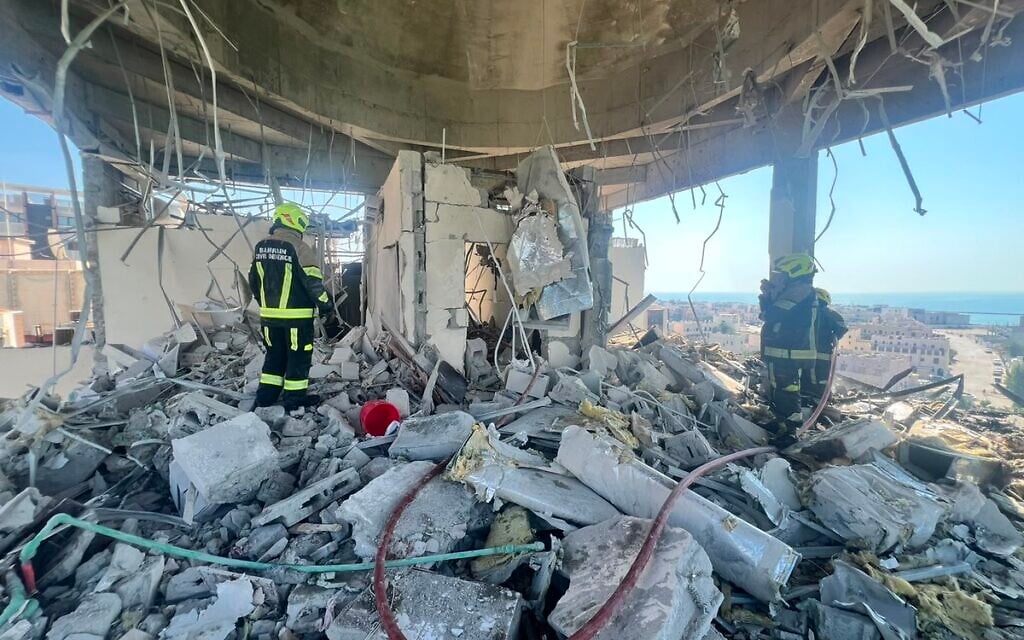
Two of the targets struck by US Central Command (CENTCOM) in the Strait of Hormuz on Saturday night were newly built by Iran, a source told The Jerusalem Post, while others had not been attacked before. The strikes hit Iranian surveillance infrastructure, communications systems, air defense sites, drone storage facilities, and mine-laying capabilities. The US military confirmed the strikes hours after a tanker was hit in the Strait, marking the worst escalation since an interim peace deal two weeks prior. US President Donald Trump said on Truth Social that Iran 'violated the Cease Fire Agreement, AGAIN!' and threatened to 'militarily complete the job' if violations continue. Iran's Foreign Ministry claimed it launched 'defensive' attacks on US-linked military targets, while Bahrain reported an Iranian drone attack and Kuwait announced it had defended against Iranian ballistic missiles early Sunday. The Islamic Revolutionary Guard Corps (IRGC) accused 'the enemy' of using 'tricks' and warned of a more severe response to any further ceasefire violations.
Key Actors
- ·US Central Command (CENTCOM)(US military command responsible for the Middle East)Conducted strikes on newly built and previously un-targeted Iranian military infrastructure in the Strait of Hormuz, including surveillance, air defense, and drone facilities.
- ·Islamic Revolutionary Guard Corps (IRGC)(Iranian military branch handling external operations)Accused 'the enemy' of deceit and threatened a more severe response to every ceasefire violation.
- ·Iranian Foreign Ministry(Official diplomatic arm of Iran)Claimed it launched 'defensive' attacks on US-linked military targets.
- ·Bahrain(Gulf state hosting the US Navy's regional headquarters)Reported defending against an Iranian drone attack.
Why It Matters
This escalation in the Strait of Hormuz—a critical chokepoint for global oil transit—risks a broader US-Iran confrontation that could draw in regional states and disrupt energy markets. The tit-for-tat strikes and Trump's existential threats, combined with IRGC defiance, undermine the fragile interim ceasefire and suggest both sides are willing to test escalation thresholds, with potential spillover to Iraqi, Syrian, or Yemeni proxy theatres.
Watch For
Monitor for further CENTCOM strikes or Iranian retaliation against shipping or regional US-linked targets. Watch for IAEA board deliberations or Oman-mediated diplomatic backchannel engagements as pressure mounts. Also, track statements from the E3, GCC, and UN Security Council, as well as any defensive incidents reported by Bahrain, Kuwait, or other Gulf states.
Generated 12h ago · Based on full articleAuto-Compiled
This page aggregates and summarizes reporting from Jerusalem Post — Iran News. The Conflict Pulse does not author original reporting. Read the original source for full coverage.
CONFLICT OVERVIEW
Iran
Latest verified updates on Iran’s regional confrontation, U.S.–Israeli strikes, missile retaliation, proxy networks, sanctions, and Strait of Hormuz risks.
SOURCE PERSPECTIVES
How outlets across the bias spectrum are covering this conflict.
left
Fresh hostilities in Gulf suggest US-Iran memorandum was too broadly worded
The Guardian Middle EastEscalating US-Iran strikes threaten interim peace agreement
The Guardian Middle EastLATEST FROM IRAN