
BBC US & Canada
centerBREAKINGUS launches strikes on Iran after second shipping attack
Full BriefGenerated 1h ago
What Happened
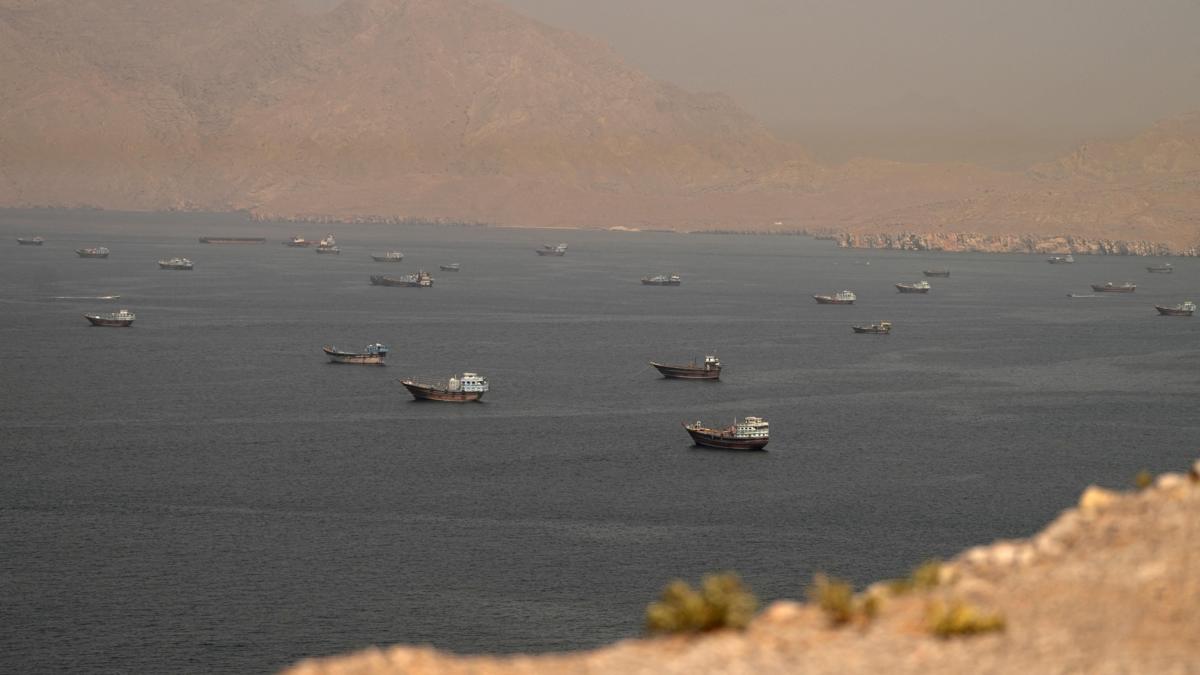
The US launched new strikes against multiple targets across Iran, according to US Central Command (Centcom), in direct response to a drone attack on the Panama-flagged tanker MT Kiku in the Strait of Hormuz on Saturday. Centcom stated the strikes hit military equipment, communication systems, air defense sites, and drone storage facilities, citing Iran's 'continued aggression' against commercial shipping and its failure to honor a 17 June ceasefire agreement. The attack on MT Kiku follows an earlier US retaliatory strike on 25 June after a drone hit the Singapore-flagged MV Ever Lovely; Iran claimed that vessel used an unauthorized route and accused the US of violating the ceasefire, launching its own strikes against targets linked to American forces. President Donald Trump posted on Truth Social that it was 'very possible' Tehran would 'never learn' and that 'the Islamic Republic of Iran will no longer exist' if the US is forced to 'militarily complete the job.' Kuwait and Bahrain reported activating air defense systems in the hours following the US strikes.
Key Actors
- ·US Central Command (Centcom)(US military command)Conducted strikes on Iran in retaliation for attacks on commercial shipping, stating Iran violated the 17 June ceasefire.
- ·Donald Trump(President of the United States)Threatened further military escalation, saying 'the Islamic Republic of Iran will no longer exist' if compelled to complete operations.
- ·Iran(State actor)Has not commented on the latest strikes; earlier foreign ministry blamed the US for ceasefire violations and launched retaliatory strikes; chief negotiator Mohammed Bagher Ghalibaf said the Strait of Hormuz 'will never go back to the way it was before the war.'
- ·Kuwait and Bahrain(Gulf states)Activated air defence systems following the US strikes and urged citizens to remain calm or head to safe places.
Why It Matters
The direct US-Iran military exchange marks a sharp escalation that threatens to unravel the 17 June ceasefire, with both sides accusing each other of violations. The Strait of Hormuz, a critical chokepoint for global oil and gas shipments, remains effectively closed since late February, and further instability risks sustained disruptions to energy markets and commodity supplies. Trump's rhetoric about obliterating the Islamic Republic raises the specter of a wider conflict, while Gulf states are being drawn in as secondary targets or collateral damage.
Watch For
Iran's official response to the latest US strikes and any additional launches against commercial or military targets. Whether the 17 June memorandum collapses entirely, triggering a spiral of tit-for-tat attacks. Statements from Gulf Cooperation Council members, the IAEA, or the UN Security Council. Oil price fluctuations and shipping insurance costs. Any diplomatic backchannel efforts, particularly through Oman.
Generated 1h ago · Based on full articleAuto-Compiled
This page aggregates and summarizes reporting from BBC US & Canada. The Conflict Pulse does not author original reporting. Read the original source for full coverage.
CONFLICT OVERVIEW
Iran
Latest verified updates on Iran’s regional confrontation, U.S.–Israeli strikes, missile retaliation, proxy networks, sanctions, and Strait of Hormuz risks.
SOURCE PERSPECTIVES
How outlets across the bias spectrum are covering this conflict.
left
Bahrain condemns Iranian tit-for-tat drone attack as ‘flagrant threat’
The Guardian Middle EastJD Vance claims US holds all the cards in Iran and will win ‘either way’
The Guardian Middle EastLATEST FROM IRAN


