Al Jazeera
centerDEVELOPING‘Pick up the phone’: IRGC appears to rebuff US Strait of Hormuz ‘hotline’

Full BriefGenerated 1h ago
What Happened
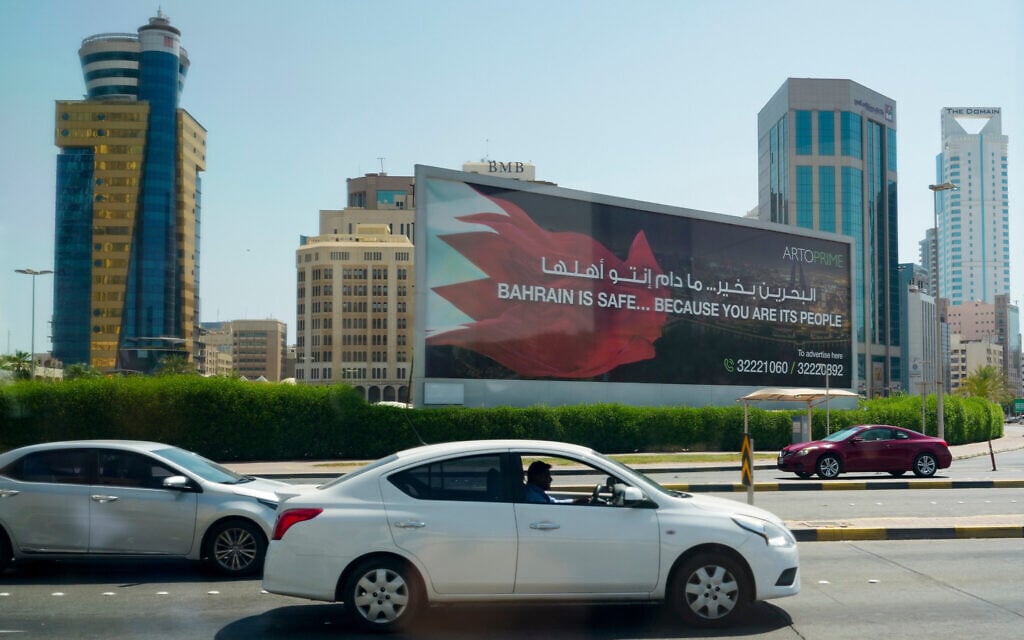
On 4 July 2025, IRGC spokesman Hossein Mohebi publicly rejected claims that a direct military ‘hotline’ had been established between the US and Iran for the Strait of Hormuz, posting on X that such reports were ‘completely false’ and that the strait ‘is Iranian territory and has no connection to the United States.’ The denial came after US Vice President JD Vance told UnHerd on 30 June that a channel between the IRGC and US Central Command (CENTCOM) would be set up via Doha following Switzerland talks. Simultaneously, on 3–5 July, a Singapore-flagged container ship, Ever Lovely, was struck by an ‘unknown projectile’ while transiting a UKMTO-recommended route outside Iran’s designated channel. In response, CENTCOM said it struck military facilities on Iran’s southern coastline, and Bahrain was hit by drone strikes on 5 July. The exchanges mark the first US–Iran fire since the 17 June MoU, which tasked Iran and Oman with managing the strait and resuming commercial traffic disrupted since the 28 February US–Israeli offensive on Iran.
Key Actors
- ·IRGC(Iranian military force designated a foreign terrorist organisation by the US)Spokesman Hossein Mohebi denied any direct military-to-military communication channel with the US and insisted the Strait of Hormuz is under Iranian sovereignty.
- ·US Vice President JD Vance(Senior US official)Claimed that a deconfliction channel between the IRGC and CENTCOM would be established from Doha to manage disputes in the Gulf.
- ·US Central Command (CENTCOM)(US military command responsible for the Middle East)Struck Iranian coastal military facilities in retaliation for the attack on the Ever Lovely, framing it as a response to threats to commercial shipping.
Why It Matters
The Strait of Hormuz is a vital chokepoint for global oil transit, and the absence of a verified direct communication link between US and Iranian military forces heightens the risk of uncontrolled escalation. The IRGC’s public rebuff of Washington’s claims, combined with fresh hostilities—a commercial vessel hit, US strikes, and drone attacks on Bahrain—underscores the fragility of the 17 June MoU. The dispute over which vessels must use Iran’s designated route and the contested management framework involving Oman and the IMO leave the waterway open to further incidents, threatening energy markets and regional stability.
Watch For
Monitoring whether commercial vessels continue to be targeted outside Iran’s designated transit corridor; any clarification from the US or Iran on whether a civilian-led communication channel exists separately from military lines; implementation steps by Iran and Oman under the MoU’s Article 5, including consultations with other Gulf states; potential further CENTCOM strikes or Iranian responses if the tit-for-tat continues; and statements from the UKMTO or IMO on threat levels and routing guidance in the strait.
Generated 1h ago · Based on full articleAuto-Compiled
This page aggregates and summarizes reporting from Al Jazeera. The Conflict Pulse does not author original reporting. Read the original source for full coverage.
CONFLICT OVERVIEW
Iran
Latest verified updates on Iran’s regional confrontation, U.S.–Israeli strikes, missile retaliation, proxy networks, sanctions, and Strait of Hormuz risks.
SOURCE PERSPECTIVES
How outlets across the bias spectrum are covering this conflict.
LATEST FROM IRAN