
BBC Middle East
centerREPORTUS strikes Iran after attack on cargo ship
Full BriefGenerated 60d ago
What Happened
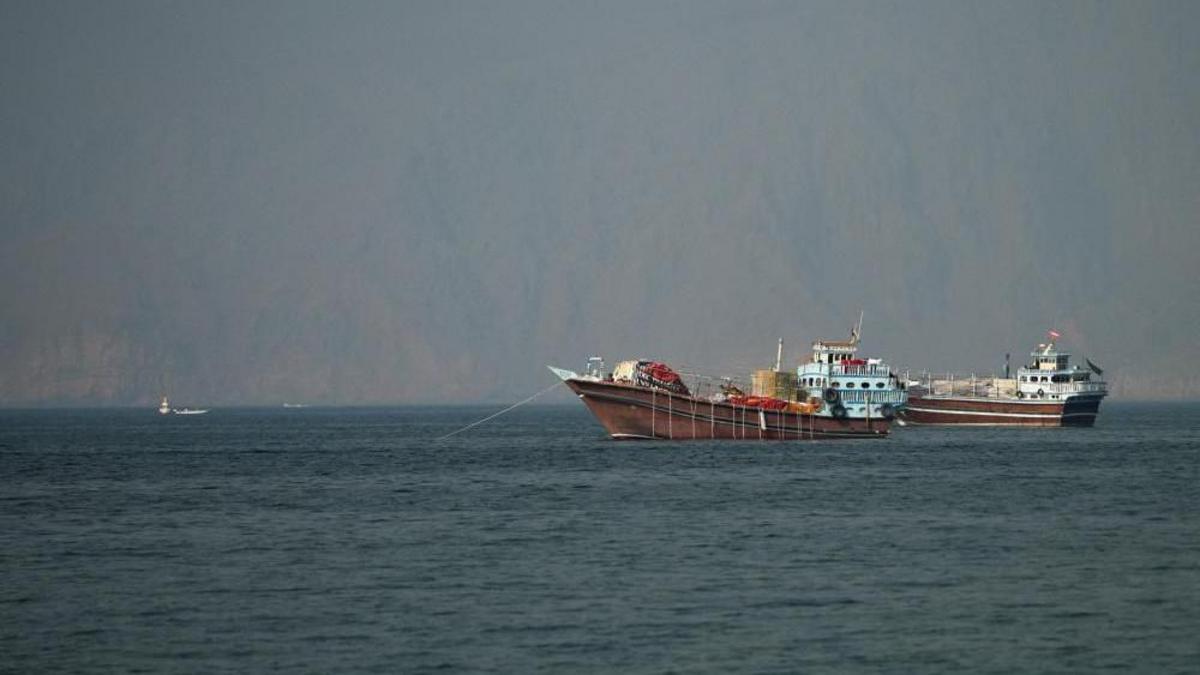
On Thursday, a one-way attack drone struck a cargo ship in the Strait of Hormuz, causing no casualties but prompting a planned evacuation of over 11,000 sailors from the region, according to US Central Command (CENTCOM). In response, on Friday CENTCOM launched strikes against what it described as Iranian missile and drone storage facilities and coastal radar positions. CENTCOM said the drone attack was 'unwarranted aggression' that violated a 17 June ceasefire and a 14-point memorandum of understanding between the US and Iran, which included a 60-day commitment to safe, toll-free passage for commercial vessels. Iran has not yet commented on the incident. President Trump, who had warned on Wednesday that any Iranian tolling would end negotiations, said 'you'll see' when asked about a US response, and later described the drone launch as something Iran 'shouldn't be doing.'
Key Actors
- ·US Central Command (CENTCOM)(US military combatant command covering the Middle East)Conducted strikes on Iranian missile/drone storage and coastal radar sites in retaliation for the drone attack, which it termed a ceasefire violation.
- ·Donald Trump(US President)Accused Iran of a 'foolish violation' of the truce; signaled that the US response was coming and later confirmed that Iran's actions were unacceptable, while also noting negotiations had been progressing.
- ·Iran(State and party to the 17 June ceasefire)Accused by the US of launching the one-way drone attack; has not issued a statement on the US strikes. Iranian chief negotiator Mohammed Bagher Ghalibaf separately asserted that 'the administration of the Strait of Hormuz will never go back to the way it was before the war.'
- ·Mohammed Bagher Ghalibaf(Iran's chief negotiator)Told state-affiliated media that Iran will maintain changed control over the strait, rejecting a return to pre-war navigation rules.
Why It Matters
The US strikes mark a sharp escalation after a weeks-long ceasefire, testing the durability of the diplomatic framework that halted wider hostilities in June. The Strait of Hormuz remains a choke-point for global oil and gas shipments, and any disruption fuels price volatility and insurance risks. The exchange also highlights the gap between official US optimism on negotiations and the reality of ongoing Iranian assertiveness over waterway control. Iran's next move — whether to retaliate or de-escalate — will determine if the truce collapses entirely.
Watch For
Monitor for an official Iranian response to the US strikes, particularly any indication of military retaliation or a decision to abandon the ceasefire. Watch whether additional US strikes follow, clarifying if this was a one-off or the start of a broader campaign. Track statements from Oman, which has been mediating, and any movement on the 14-point memorandum's safe-passage provisions. Also note any changes in shipping traffic through the Strait of Hormuz and global oil price reactions.
Generated 60d ago · Based on full articleAuto-Compiled
This page aggregates and summarizes reporting from BBC Middle East. The Conflict Pulse does not author original reporting. Read the original source for full coverage.
CONFLICT OVERVIEW
Iran
Latest verified updates on Iran’s regional confrontation, U.S.–Israeli strikes, missile retaliation, proxy networks, sanctions, and Strait of Hormuz risks.
SOURCE PERSPECTIVES
How outlets across the bias spectrum are covering this conflict.
LATEST FROM IRAN

REPORTMiddle East Eye11d ago
Iran formalises Strait of Hormuz control as US struggles to sustain war it launched with Israel

REPORTAl Jazeera11d ago
US threatens ‘indefinite’ blockade against Iran: How long can it last?

REPORTMiddle East Eye12d ago
Morning update
REPORTMiddle East Eye12d ago
Vance says US will end up 'in a stronger position' than Iran

REPORTJerusalem Post — Iran News12d ago
US Treasury Secretary Bessent says US to apply measures 'never seen before' on Iran

REPORTAl Jazeera12d ago