
jpost.com
rightREPORTIsrael may pay the price for America war fatigue
Full BriefGenerated 85d ago
What Happened
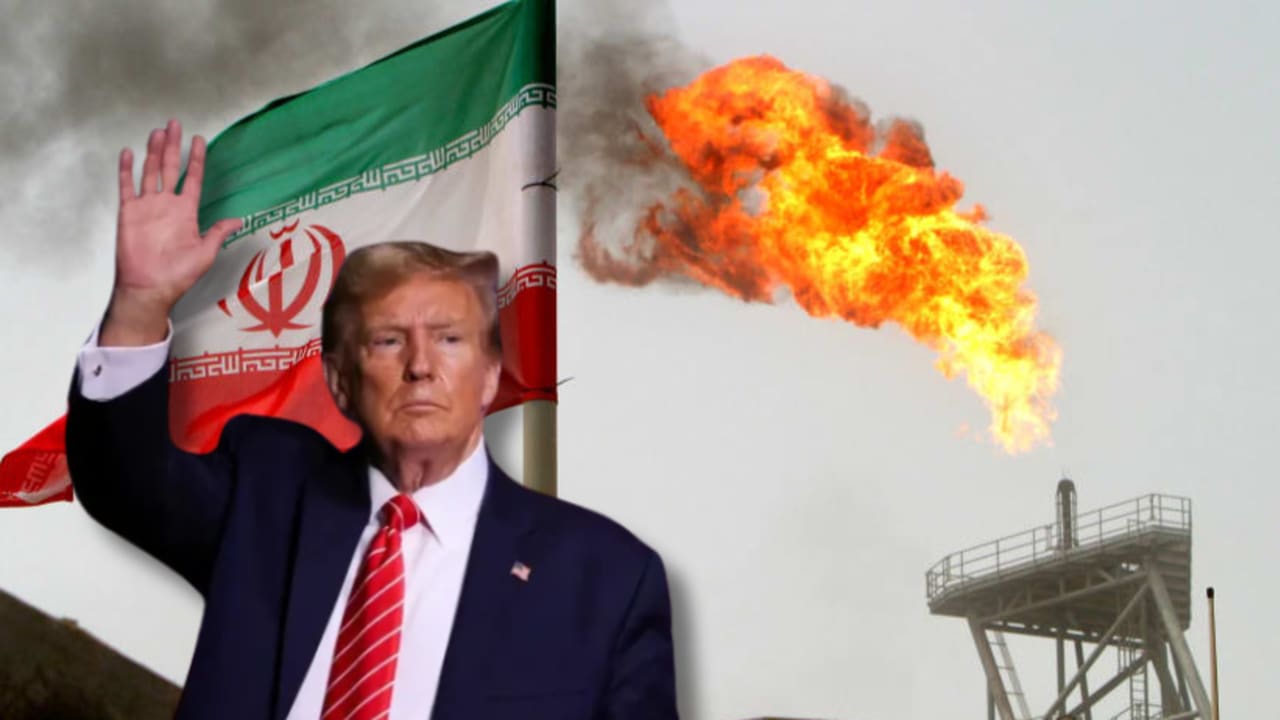
A ceasefire agreement between Iran and the United States is reportedly under negotiation, with talks held in Switzerland. Israel’s Prime Minister Benjamin Netanyahu publicly projected victory, claiming deep security buffers around Israel, while privately acknowledging Iran’s proxies remain. The article, written by a media consultant and former Israeli spokesman, asserts that US war fatigue is enabling Iran to diplomatically isolate Israel and constrain its military operations. Specifics include Washington’s demand for Israeli withdrawal from Lebanon, refusal to share full deal terms with Jerusalem, and a near-walkout by the Iranian delegation after US threats over Hezbollah and the Strait of Hormuz. The author frames this as an existential threat to Israel, potentially pushing it toward unconventional deterrence.
Key Actors
- ·Israel(State actor, led by Prime Minister Benjamin Netanyahu)Publicly claims military success and security buffers, but privately concerned about US-Iran deal constraining its freedom of action and leaving Iranian proxies intact.
- ·United States(Negotiating party under Trump administration)Pursuing ceasefire with Iran, demanding Israeli withdrawal from Lebanon, and withholding full terms from Israel; acting out of war fatigue, according to the author.
- ·Iran(Negotiating counterpart and regional adversary)Engaged in talks with the US, leveraging diplomatic pressure to isolate Israel, maintaining and rebuilding proxy networks despite military setbacks.
Why It Matters
The article highlights a potential shift in the US-Israel security relationship, with Israel perceiving American diplomacy as enabling Iran’s strategic goals. If a ceasefire deal restricts Israeli military options while allowing Iran to preserve its proxy network and continue its nuclear program, Israel may feel compelled to take unilateral action, including unconventional deterrence, raising the risk of a broader regional escalation.
Watch For
The finalization of the US-Iran ceasefire deal and its terms, particularly whether it imposes restrictions on Israeli operations in Lebanon and Gaza. Iran’s compliance with any nuclear inspection regime and continued rebuilding of proxy forces. Israel’s domestic and security establishment reactions, and any public divergence from Washington’s stance. Potential Israeli unilateral military moves if it deems the deal an existential threat.
Generated 85d ago · Based on full articleAuto-Compiled
This page aggregates and summarizes reporting from jpost.com. The Conflict Pulse does not author original reporting. Read the original source for full coverage.
CONFLICT OVERVIEW
Iran
Latest verified updates on Iran’s regional confrontation, U.S.–Israeli strikes, missile retaliation, proxy networks, sanctions, and Strait of Hormuz risks.
SOURCE PERSPECTIVES
How outlets across the bias spectrum are covering this conflict.
LATEST FROM IRAN

DEVELOPINGAl Jazeera4h ago
How oil, gas losses have shrunk Iran’s GDP by 10 percent during war

DEVELOPINGMiddle East Eye4h ago
Iranian military says US preparing to attack again

DEVELOPINGMiddle East Eye5h ago
Yemen's Houthis are upending the Gulf order. The Saudis are the biggest losers

DEVELOPINGMiddle East Eye5h ago
Pakistan interior minister heads to Tehran amid regional tensions
DEVELOPINGMiddle East Eye7h ago
US suffers 'historic and shameful defeat' in war on Iran, IRGC spokesperson says
DEVELOPINGMiddle East Eye8h ago