BBC US & Canada
centerDEVELOPINGTehran launches more strikes after explosions reported in southern Iran
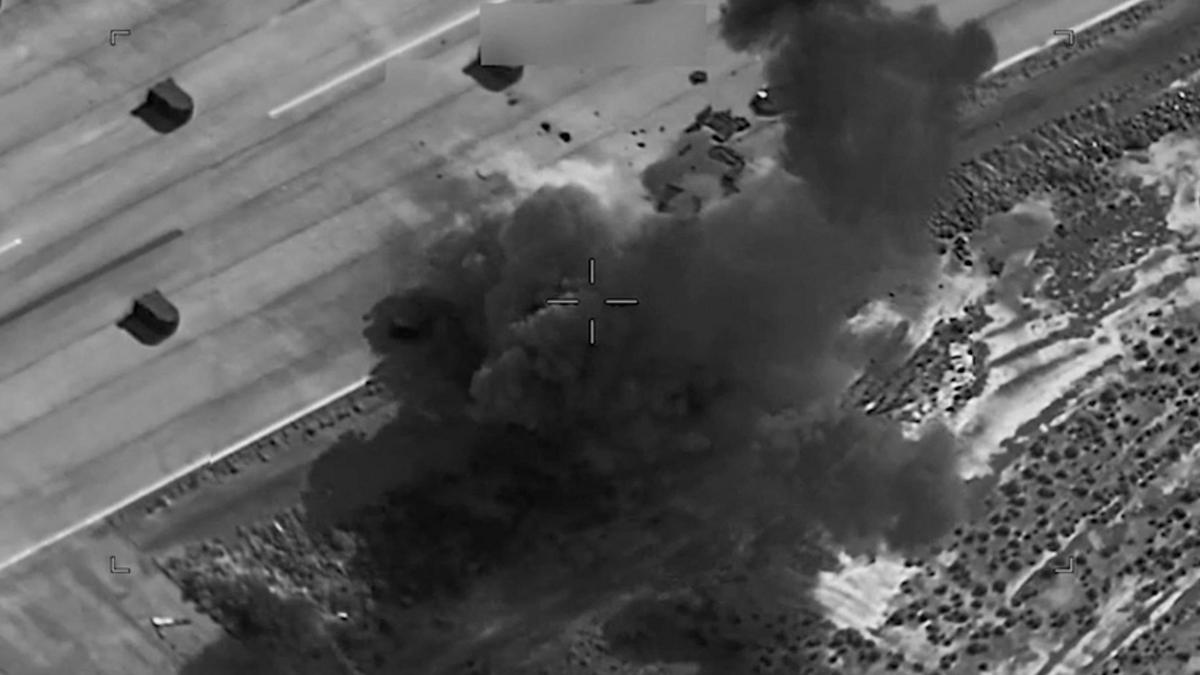
Centcom says it hit 90 Iranian targets in the latest round of strikes, with the Iranian health ministry saying 14 people were killed since Tuesday.
Full BriefGenerated 12h ago
What Happened
The United States military conducted a second consecutive night of strikes against Iranian military infrastructure, targeting 90 sites including air defense systems and logistics facilities along the Iranian coastline. US Central Command (Centcom) stated these operations were intended to degrade Iran's capacity to threaten commercial shipping in the Strait of Hormuz. Iranian state media reported explosions in port cities including Bandar Abbas, Sirik, Jask, and Chabahar, as well as on the island of Abu Musa, noting a fire at an Islamic Revolutionary Guard Corps (IRGC) barracks in Bushehr and localized power outages. These strikes follow an exchange of fire involving commercial tankers and the subsequent collapse of a 17 June memorandum of understanding (MoU) between the two nations.
Key Actors
- ·US Central Command (Centcom)(US military combatant command)Centcom claims the strikes are necessary to protect commercial shipping and degrade Iranian military capabilities.
- ·Donald Trump(President of the United States)Trump declared the 17 June ceasefire agreement void and signaled intent to continue military pressure against Iran.
- ·Mohammad Bagher Ghalibaf(Iranian Parliamentary Speaker)Ghalibaf warned that Iran will respond to US strikes and asserted that the Strait of Hormuz will only operate under Iranian terms.
- ·Abbas Araghchi(Iranian Foreign Minister)Araghchi stated that Iran will respond to US actions with military valor rather than diplomatic engagement.
Why It Matters
The collapse of the 17 June memorandum of understanding and the subsequent direct military exchanges represent a significant escalation in the conflict over the Strait of Hormuz. The targeting of Iranian coastal air defenses and IRGC facilities indicates a shift from limited retaliatory strikes to a broader effort to neutralize Iranian power projection capabilities in the region, heightening the risk of a wider maritime and territorial conflict.
Watch For
Monitor for further US military strikes against Iranian coastal targets and potential Iranian retaliatory actions against regional shipping or US-aligned states in the Persian Gulf. Additionally, observe the status of the Strait of Hormuz transit routes and any further statements from the Iranian Foreign Ministry regarding the formal abandonment of the 60-day negotiation period established in the now-defunct MoU.
Generated 12h ago · Based on full articleAuto-Compiled
This page aggregates and summarizes reporting from BBC US & Canada. The Conflict Pulse does not author original reporting. Read the original source for full coverage.
CONFLICT OVERVIEW
Iran
Latest verified updates on Iran’s regional confrontation, U.S.–Israeli strikes, missile retaliation, proxy networks, sanctions, and Strait of Hormuz risks.
SOURCE PERSPECTIVES
How outlets across the bias spectrum are covering this conflict.
left
US and Iran exchange strikes: is Trump’s peace deal over? - The Latest
The Guardian Middle EastUS and Iran exchange strikes: is Trump’s peace deal over? | The Latest
The Guardian Middle EastLATEST FROM IRAN