Jerusalem Post — Iran News
rightBREAKINGIran retaliates with strikes on US Gulf assets, warn allies to

Full BriefGenerated 3h ago
What Happened
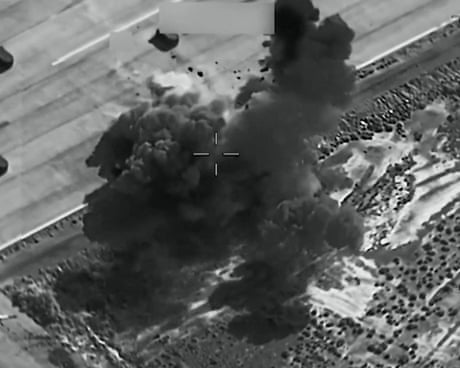
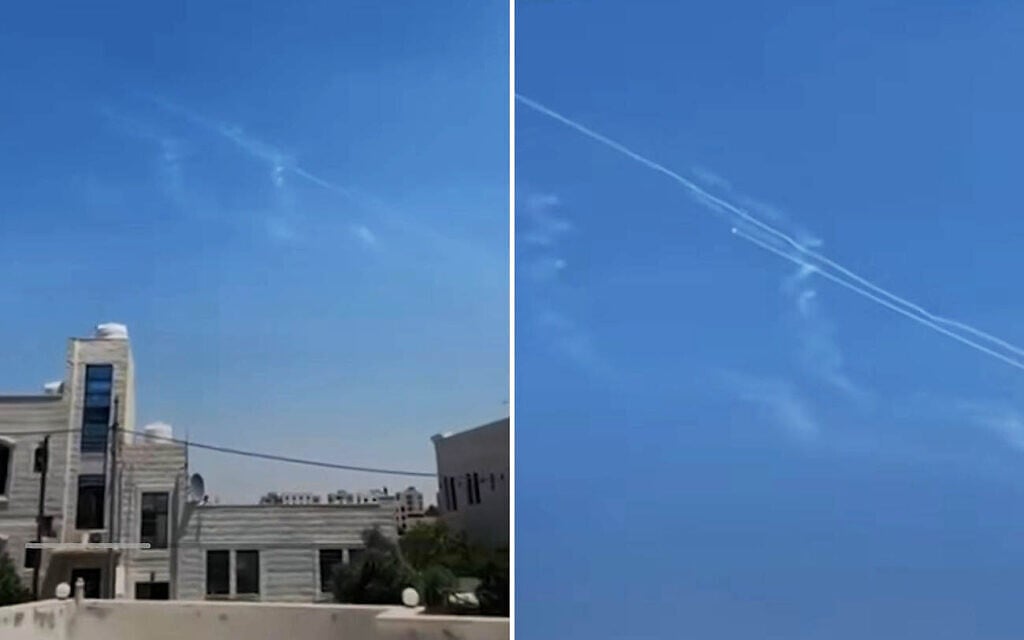
Iran launched retaliatory strikes on US assets in the Gulf region on Thursday, following US strikes on approximately 90 sites in southern Iran overnight from Wednesday to Thursday. The US Central Command stated the strikes aimed 'to further degrade Iran's ability to attack commercial shipping and innocent civil mariners in the Strait of Hormuz.' Iranian officials claimed 14 people were killed and 78 injured across five provinces, according to state media. The Iranian army, via state media, said it attacked US Patriot systems in Kuwait with drones, an early warning satellite antenna site in Qatar, and a fuel storage facility of the US Army in Bahrain. Sirens sounded across the region: Kuwait reported engaging one cruise missile, three ballistic missiles, and 10 drones, injuring one person from falling shrapnel; Jordan intercepted eight of ten missiles fired at its Azraq military base; Bahrain confirmed sirens and drone attacks, urging residents to seek shelter. Additionally, a drone hit a camp of an Iranian Kurdish opposition group northeast of Erbil, Iraq, with no casualties reported.
Key Actors
- ·US Central Command (CENTCOM)(US combatant command responsible for Middle East operations)Conducted strikes on southern Iran to degrade Iran's ability to attack shipping in the Strait of Hormuz.
- ·Islamic Republic of Iran (Artesh/Foreign Ministry)(Iranian regular military and diplomatic apparatus)Launched drone attacks on US assets in Kuwait, Qatar, and Bahrain in retaliation for US strikes; claimed 14 killed and 78 wounded from US attacks.
- ·State of Kuwait(Gulf state hosting US military assets)Engaged missiles and drones in its airspace; one person injured by shrapnel.
- ·State of Qatar(Gulf state hosting the largest US military base in the region, mediator)Called for diplomacy and condemned attacks on commercial shipping; Prime Minister spoke with Iranian Foreign Minister.
Why It Matters
The direct exchange of strikes marks a sharp escalation in the US-Iran standoff, directly targeting military assets on both sides and drawing in multiple Gulf states. Iran's claimed effective control over the Strait of Hormuz and its demand that the waterway reopen only under 'Iranian arrangements' threaten a fifth of global oil transit, risking severe economic disruptions. The multi-front hostilities—including sirens and interceptions over Kuwait, Jordan, and Bahrain—risk a broader regional conflict and complicate diplomatic efforts, while the US President's statement that a memorandum of understanding with Iran is 'over' signals a breakdown in negotiations.
Watch For
Monitor whether further strikes occur against US assets or Iranian-linked targets, especially in the Strait of Hormuz. Watch for any Iranian-imposed restrictions on shipping and the international response through naval patrols or countermeasures. Track diplomatic engagement, particularly Qatar's mediation efforts and the outcomes of the NATO summit in Turkey, where the US leader is attending. Pay attention to any new US or Iranian military postures or statements, including potential IRGC involvement, and verify casualty figures and damage assessments independently.
Generated 3h ago · Based on full articleAuto-Compiled
This page aggregates and summarizes reporting from Jerusalem Post — Iran News. The Conflict Pulse does not author original reporting. Read the original source for full coverage.
CONFLICT OVERVIEW
Iran
Latest verified updates on Iran’s regional confrontation, U.S.–Israeli strikes, missile retaliation, proxy networks, sanctions, and Strait of Hormuz risks.
SOURCE PERSPECTIVES
How outlets across the bias spectrum are covering this conflict.
left
US and Iran exchange strikes: is Trump’s peace deal over? - The Latest
The Guardian Middle EastUS and Iran exchange strikes: is Trump’s peace deal over? | The Latest
The Guardian Middle EastLATEST FROM IRAN