The Guardian Middle East
leftDEVELOPING‘It was back-to-back explosions’: Iranians recall 48 hours of terror after US attack on port cities
Live BriefGenerated 0m ago
Story Developing — Brief Reflects Events Through 0m ago
What Happened
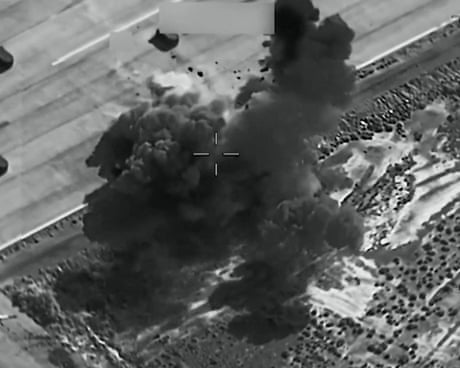
United States forces conducted strikes on the southern Iranian port cities of Bandar Abbas and Sirik during the nights of the reporting period. US Central Command confirmed the attacks, stating they aimed to 'further degrade their ability to threaten freedom of navigation in the Strait of Hormuz.' In Bandar Abbas, residents reported back-to-back explosions around 1am, with at least 10 blasts heard near the fishing pier in Posht-e Shahr. Iranian authorities reported that 14 people were killed and more than 78 injured over the two days of strikes. The attacks also hit two water storage facilities in Sirik, affecting over 20,000 civilians and exacerbating existing water shortages. Residents described growing fear for fishermen and civilians, concerns over further strikes, and the psychological toll of repeated violence. This followed earlier US strikes in June that damaged drinking water plants in the same region.
Key Actors
- ·US Central Command(US military combatant command)Confirmed conducting strikes on Bandar Abbas and Sirik to degrade threats to freedom of navigation in the Strait of Hormuz.
- ·Iranian authorities(State authorities)Reported 14 killed and over 78 injured in the strikes; manage air defense systems and public communication.
- ·Residents of Bandar Abbas and Sirik(Civilian population)Experienced terror, water shortages, and displacement fears due to repeated strikes on port infrastructure.
Why It Matters
The strikes represent a direct US military action on Iranian soil, targeting port infrastructure near the strategically vital Strait of Hormuz. This escalates the long-standing tensions over freedom of navigation and regional proxy conflicts, risking broader military confrontation. Civilian casualties and damage to water facilities—affecting over 20,000 people—compound humanitarian challenges and could fuel anti-US sentiment, potentially undermining diplomatic backchannels and ceasefire efforts. The psychological impact on coastal communities, reliant on fishing and maritime trade, further destabilises local livelihoods.
Watch For
Monitoring for further US strikes or Iranian retaliatory actions—military, cyber, or via proxy forces—in the Strait of Hormuz or beyond. Watch for official Iranian military or diplomatic responses, IAEA-related tensions intersecting with the military escalation, and any disruption to ceasefire negotiations. Assess additional humanitarian impacts, particularly water access and potential displacement, as temperatures rise above 45°C. Note resident fears of renewed internet blackouts by Iranian authorities, which would restrict information flow.
Generated 0m ago · Based on full articleAuto-Compiled
This page aggregates and summarizes reporting from The Guardian Middle East. The Conflict Pulse does not author original reporting. Read the original source for full coverage.
CONFLICT OVERVIEW
Iran
Latest verified updates on Iran’s regional confrontation, U.S.–Israeli strikes, missile retaliation, proxy networks, sanctions, and Strait of Hormuz risks.
SOURCE PERSPECTIVES
How outlets across the bias spectrum are covering this conflict.
left
US and Iran exchange strikes: is Trump’s peace deal over? - The Latest
The Guardian Middle EastUS and Iran exchange strikes: is Trump’s peace deal over? | The Latest
The Guardian Middle EastLATEST FROM IRAN