The Guardian Middle East
leftDEVELOPINGUS and Iran trade most intense strikes since ceasefire extended
At least 17 people killed in Iran in overnight attacks as Trump declares the agreement ‘over’Middle East crisis live – latest updatesThe US and Iran traded strikes hours before the burial of the late supreme leader Ayatollah Ali Khamenei on Thursday, with 17 people killed by US strikes while Tehran launched attacks against American bases in the region, straining an already shaky ceasefire. The tit-for-tat strikes were the largest since Tehran and Washington signed a memorandum of understanding (
Live BriefGenerated 1h ago
Story Developing — Brief Reflects Events Through 1h ago
What Happened
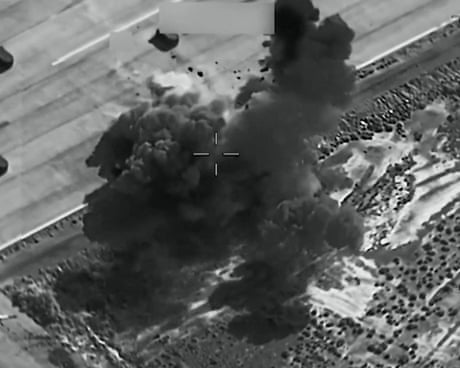
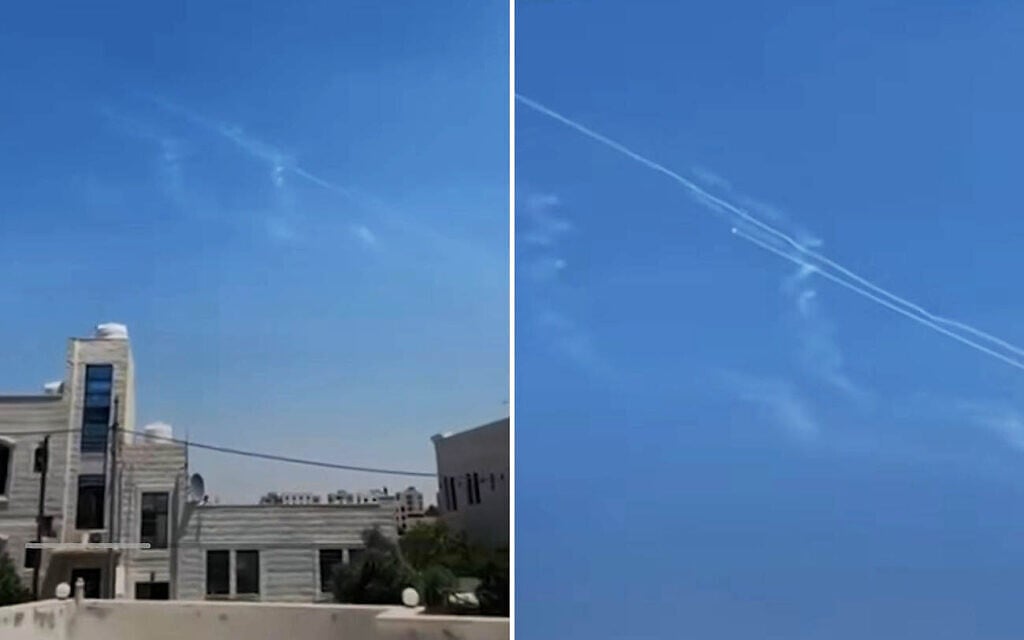
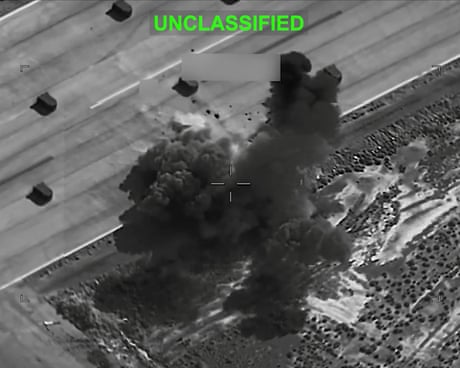
On Thursday, the United States and Iran engaged in an intense exchange of strikes, marking the most significant escalation since the 17 June memorandum of understanding (MoU) intended to extend a ceasefire. The US military reported striking approximately 90 targets in Iran, including missile launchers, a runway, and infrastructure in Khuzestan and the eastern provinces, citing a need to protect freedom of navigation in the Strait of Hormuz. These actions followed Iranian attacks on three ships in the strait on Tuesday. Iranian officials, including deputy governor of Bushehr Ehsan Jahanian, reported strikes near the Bushehr nuclear power plant, a military base in Choghadak, and a fishing pier. Iranian forces launched ballistic missiles at US-utilized bases in Bahrain, Kuwait, Qatar, and Jordan’s Azraq military base. Casualties reported by Iranian sources include 17 deaths, including nine military personnel and one firefighter.
Key Actors
- ·Donald Trump(President of the United States)Declared the 17 June MoU void and authorized strikes against Iranian targets in retaliation for attacks on shipping.
- ·Islamic Revolutionary Guard Corps (IRGC)(Iranian military branch)Claimed responsibility for firing 10 ballistic missiles at the Azraq military base in Jordan.
- ·Mohammad Bagher Ghalibaf(Speaker of the Iranian Parliament)Stated that US pressure and broken promises would be met with further Iranian military responses.
- ·Sheikh Mohammed bin Abdulrahman Al Thani(Prime Minister of Qatar)Acted as a mediator, condemning Iranian strikes on ships for undermining maritime security and regional stability.
Why It Matters
The collapse of the 17 June MoU and the intensity of the strikes threaten to derail planned negotiations regarding the Strait of Hormuz and Iran's nuclear program. The targeting of infrastructure, including bridges vital for trade with China and the perimeter of the Bushehr nuclear facility, significantly increases the risk of a broader regional conflict and further destabilizes global energy markets reliant on the strait.
Watch For
Monitor the status of the planned negotiations, which were scheduled to begin following the conclusion of the funeral for the late Supreme Leader Ayatollah Ali Khamenei. Additionally, observe whether the transition of leadership to Mojtaba Khamenei results in a shift in Iranian military posture or a continuation of the current retaliatory cycle.
Generated 1h ago · Based on full articleAuto-Compiled
This page aggregates and summarizes reporting from The Guardian Middle East. The Conflict Pulse does not author original reporting. Read the original source for full coverage.
CONFLICT OVERVIEW
Iran
Latest verified updates on Iran’s regional confrontation, U.S.–Israeli strikes, missile retaliation, proxy networks, sanctions, and Strait of Hormuz risks.
SOURCE PERSPECTIVES
How outlets across the bias spectrum are covering this conflict.
left
US and Iran exchange strikes: is Trump’s peace deal over? - The Latest
The Guardian Middle EastUS and Iran exchange strikes: is Trump’s peace deal over? | The Latest
The Guardian Middle EastLATEST FROM IRAN