Al Jazeera
centerDEVELOPINGMediator Pakistan says renewed US-Iran conflict is ‘in no one’s interest’

Full BriefGenerated 1h ago
What Happened
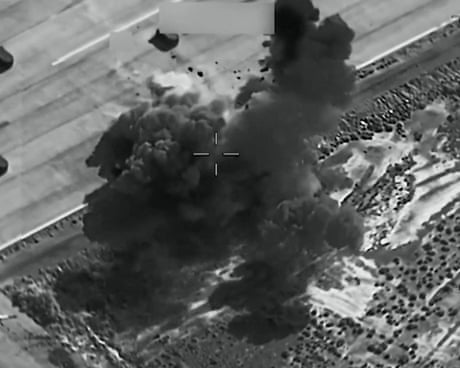
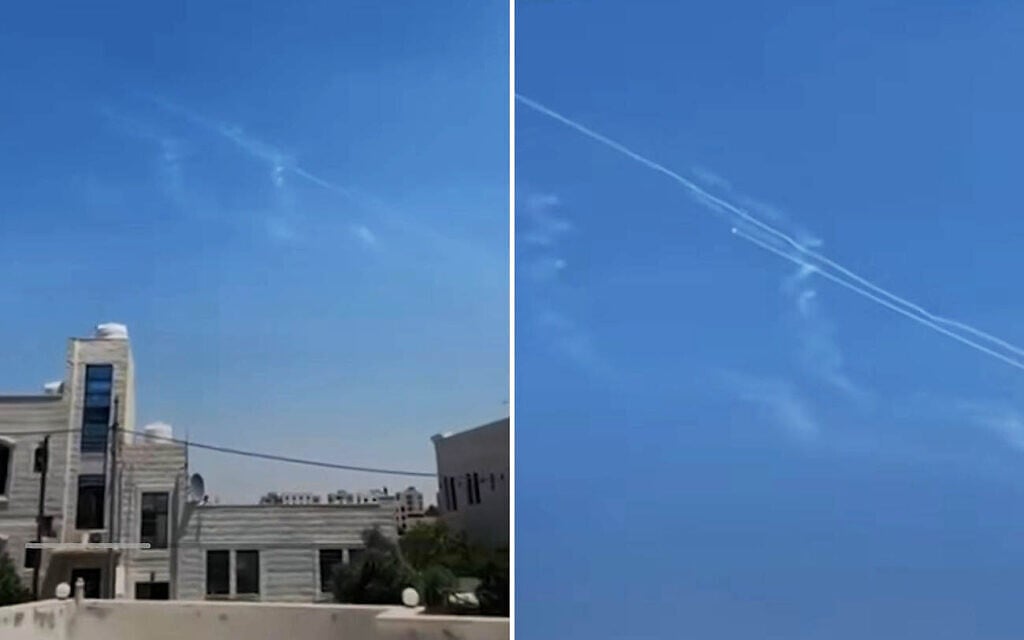
The United States carried out a second consecutive night of attacks on Iran, striking approximately 90 sites including coastal radar installations, missile and drone storage facilities, and naval assets. Iran’s Islamic Revolutionary Guard Corps (IRGC) retaliated with drone and missile attacks on US military bases in Kuwait (Camp Arifjan) and Bahrain (Fifth Fleet headquarters in Juffair), and launched drones towards a site in Qatar. Iranian state media reported the deaths of a soldier in Iranshahr and eight air force and navy personnel in Bandar Abbas and Bushehr. The escalation followed Iranian attacks on three commercial vessels in the Strait of Hormuz on Monday and Tuesday, including a Qatari-owned tanker. In response, Washington reimposed sanctions on Iranian oil exports, revoking a waiver granted under the Islamabad Memorandum of Understanding (MoU). Pakistan, which brokered the MoU in April, urged both sides to honour their commitments and said it remains ready to play a mediating role.
Key Actors
- ·Pakistan(Mediator and broker of the Islamabad Memorandum of Understanding (MoU))Urged all parties to exercise restraint and honour the MoU, stating it is ready to continue mediation efforts.
- ·United States(Belligerent party; President Donald Trump)Conducted military strikes on Iran, reimposed sanctions, declared the ceasefire 'over', threatened a naval blockade and targeting of Kharg Island, and used derogatory language about Iranian leaders.
- ·Iran(Belligerent party; IRGC and state media)IRGC launched retaliatory strikes on US bases; state media reported Iranian casualties; Supreme Leader Ali Khamenei’s funeral processions were ongoing after his death in earlier US-Israel strikes.
- ·Qatar(Diplomatic actor; Prime Minister Sheikh Mohammed bin Abdulrahman bin Jassim Al Thani)Condemned the drone attack on its territory and urged both sides to pursue diplomacy and implement the June 17 MoU.
Why It Matters
The collapse of the fragile ceasefire and the new wave of strikes and counterstrikes raise fears of a wider regional conflict, directly involving US bases in Gulf states and threatening the free flow of shipping through the Strait of Hormuz. Pakistan’s role as a mediator is under severe strain but remains critical, as both sides show limited flexibility. The escalation also coincides with Iran’s leadership transition after the reported killing of Supreme Leader Ali Khamenei, adding internal instability to an already volatile situation.
Watch For
Whether the US and Iran will de-escalate or continue military exchanges, including potential US action against Kharg Island or a naval blockade. The fate of the Islamabad Memorandum of Understanding and any renewed diplomatic outreach, particularly from Pakistan, Qatar, or other regional states. Iran’s response to sanctions and the impact on oil markets, as well as any further attacks on commercial shipping in the Strait of Hormuz.
Generated 1h ago · Based on full articleAuto-Compiled
This page aggregates and summarizes reporting from Al Jazeera. The Conflict Pulse does not author original reporting. Read the original source for full coverage.
CONFLICT OVERVIEW
Iran
Latest verified updates on Iran’s regional confrontation, U.S.–Israeli strikes, missile retaliation, proxy networks, sanctions, and Strait of Hormuz risks.
SOURCE PERSPECTIVES
How outlets across the bias spectrum are covering this conflict.
left
US and Iran exchange strikes: is Trump’s peace deal over? - The Latest
The Guardian Middle EastUS and Iran exchange strikes: is Trump’s peace deal over? | The Latest
The Guardian Middle EastLATEST FROM IRAN