Jerusalem Post — Iran News
rightREPORTWas the Mossad's Ahmadinejad operation a failure, or did Trump kill it? - analysis

Full BriefGenerated 12d ago
What Happened
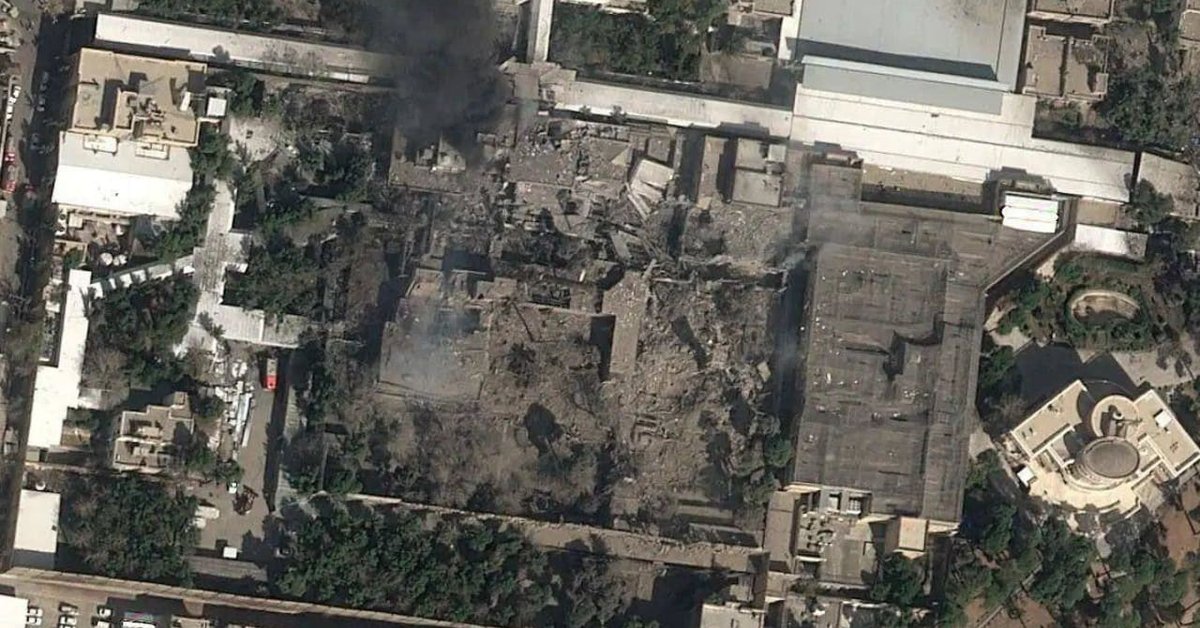
The New York Times published details of a Mossad plan to recruit former Iranian president Mahmoud Ahmadinejad and install him as a replacement for Supreme Leader Ayatollah Ali Khamenei. The operation formed part of a sequence that included a Kurdish ground invasion and Israeli airstrikes against the Iranian regime. Former head of Israeli Military Intelligence Tamir Hayman publicly confirmed the plan, stating that U.S. President Donald Trump vetoed the Kurdish operation after Turkish President Recep Tayyip Erdogan allegedly convinced him it would threaten Turkish stability. Trump also restricted Israeli strikes on Iran's energy and economic sectors. As a result, Ahmadinejad was placed under house arrest, the details leaked—likely by U.S. sources seeking to block future Israeli regime-change attempts—and the Islamic Revolutionary Guard Corps remains in control. Israeli sources claimed that only around 10% of the planned strikes supporting the Kurdish advance were carried out, and that American officials within the White House leaked the plan to Erdogan in time to halt it.
Key Actors
- ·Mossad(Israel's intelligence agency)Planned and sought to execute a multi-stage operation to replace Khamenei with Ahmadinejad, using Kurdish forces and Israeli air power.
- ·Donald Trump(President of the United States)Vetoed the Kurdish invasion and restricted Israeli strikes on Iran, leading to the plan's failure.
- ·Mahmoud Ahmadinejad(Former president of Iran)Was to be installed as the new Iranian leader but was placed under house arrest after the plan's exposure.
- ·Tamir Hayman(Former head of Israeli Military Intelligence)Publicly confirmed the operation and attributed its failure to Trump's cancellation of the Kurdish invasion.
Why It Matters
The revelation exposes a major Israeli regime-change effort involving Kurdish forces and U.S. coordination, highlighting deep strategic disagreements between Washington and Jerusalem over Iran policy. Trump's veto, influenced by Erdogan, underscores Turkey's ability to shape U.S. decisions on regional operations. The failure, with details leaked likely by American officials, may strain intelligence-sharing and limit future joint covert actions, while reinforcing the IRGC's grip on power.
Watch For
Potential Iranian retaliatory responses or diplomatic moves against Israel and the U.S. over the exposed plot; further disclosures or investigations into the planning; shifts in U.S.-Israel strategic coordination under the current administration; and any change in Ahmadinejad's status or Kurdish political-military alignment.
Generated 12d ago · Based on full articleAuto-Compiled
This page aggregates and summarizes reporting from Jerusalem Post — Iran News. The Conflict Pulse does not author original reporting. Read the original source for full coverage.
CONFLICT OVERVIEW
Iran
Latest verified updates on Iran’s regional confrontation, U.S.–Israeli strikes, missile retaliation, proxy networks, sanctions, and Strait of Hormuz risks.
SOURCE PERSPECTIVES
How outlets across the bias spectrum are covering this conflict.
left
US expands Iran attacks as Trump warns Tehran and Houthis over Red Sea strikes
The Guardian Middle EastHow Chinese tech and Russian tactics are aiding Iran’s bombing of US bases
The Guardian AsiaLATEST FROM IRAN