The Guardian Asia
leftREPORTHow Chinese tech and Russian tactics are aiding Iran’s bombing of US bases
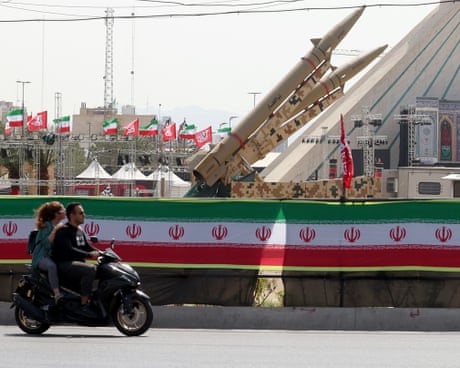
Increasingly accurate and lethal attacks are revealing weaknesses in stretched defences across the GulfAs the crisis in the Middle East escalates, Iran has been bombing US bases and critical infrastructure in the Gulf with increasing accuracy, helped by Chinese satellite imagery and tactics learned by Russia in Ukraine. Three US soldiers were killed last Friday in an attack on the Muwaffaq Salti airbase in Jordan, which was being protected by a Thaad air defence system.
Full BriefGenerated 1d ago
What Happened
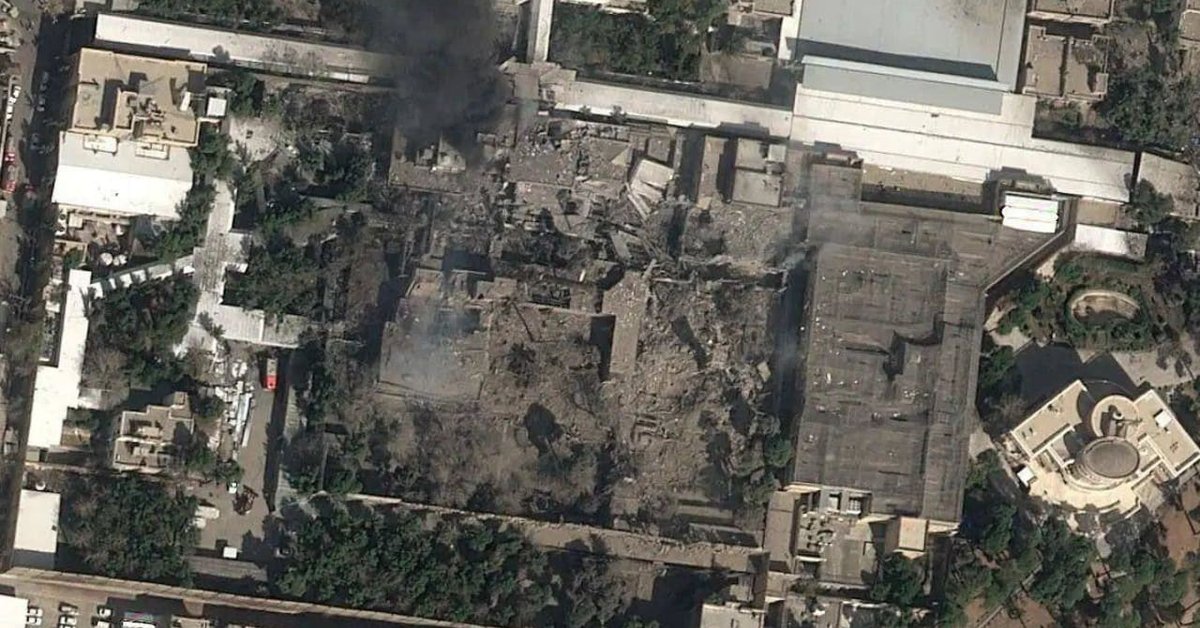
On the Friday preceding the report, an attack on the Muwaffaq Salti airbase in Jordan resulted in the deaths of three American soldiers. The strike, which bypassed the base's US Thaad air defence system, caused significant damage to infrastructure according to satellite imagery released by Iranian media. Analysts attribute the increased accuracy and effectiveness of Iranian missile strikes to technological advancements, including the use of steerable warheads, multi-constellation navigation systems, and tactics similar to those observed in the conflict in Ukraine. While the US has imposed sanctions on Chinese firms like Mizar Vision for providing satellite imagery used to identify targets at US bases in Saudi Arabia, Bahrain, and Jordan, experts remain divided on the extent of direct state-level intelligence sharing from China or Russia.
Key Actors
- ·Pentagon(United States Department of Defense)Currently investigating the failure of the Thaad air defence system at the Muwaffaq Salti airbase.
- ·Iranian military(Armed forces of Iran)Utilizing improved ballistic missile capabilities and coordinated strike tactics to target US bases and infrastructure in the Gulf.
- ·Mizar Vision(Chinese satellite imagery provider)Sanctioned by the US in May for allegedly providing imagery that enabled Iranian missile attacks on US military installations.
Why It Matters
The incident highlights a significant shift in the regional security architecture, as Iranian missile systems demonstrate an increased ability to penetrate advanced US air defence networks. The potential for 'convergent evolution' in tactics between Iran and Russia, combined with the reliance on Chinese electronics and satellite data, suggests that US military infrastructure in the Gulf is increasingly vulnerable to sophisticated, multi-layered missile and drone salvos.
Watch For
Monitor the ongoing Pentagon investigation into the Thaad system failure at Muwaffaq Salti and any subsequent adjustments to US air defence posture in the Gulf. Additionally, track potential further US sanctions against entities facilitating the transfer of dual-use technology or intelligence to Iran's ballistic missile programme.
Generated 1d ago · Based on full articleAuto-Compiled
This page aggregates and summarizes reporting from The Guardian Asia. The Conflict Pulse does not author original reporting. Read the original source for full coverage.
CONFLICT OVERVIEW
Iran
Latest verified updates on Iran’s regional confrontation, U.S.–Israeli strikes, missile retaliation, proxy networks, sanctions, and Strait of Hormuz risks.
SOURCE PERSPECTIVES
How outlets across the bias spectrum are covering this conflict.
LATEST FROM IRAN