BBC Middle East
centerREPORTIran must pledge to stop shooting at ships in Strait of Hormuz, US officials say
Full BriefGenerated 14d ago
What Happened
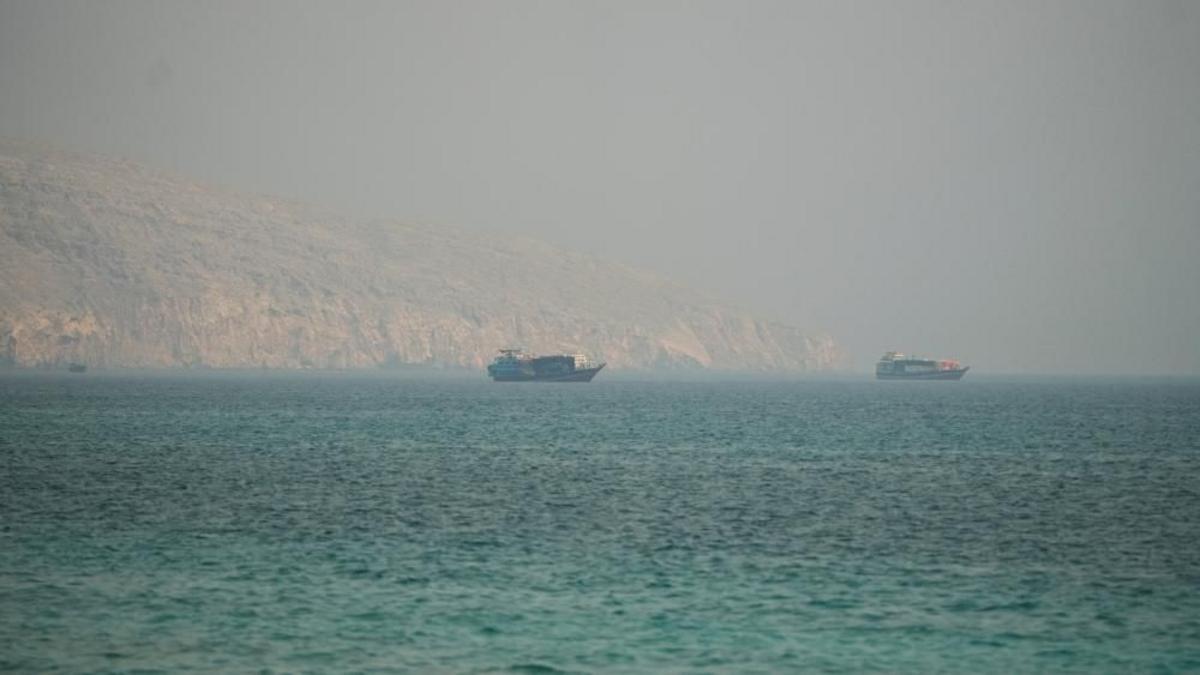
The United States demanded that Iran publicly declare the Strait of Hormuz open and pledge to stop firing on commercial vessels, following attacks on three tankers in Omani waters earlier this week. US officials told CBS News that Iran privately acknowledged the shootings were a mistake, blaming a rogue hardliner faction seeking to undermine negotiations. President Trump stated on Truth Social that the ceasefire is over but talks would continue. Vice President Vance, Secretary of State Rubio, and envoys Witkoff and Kushner are en route to Oman, where Iranian Foreign Minister Abbas Araghchi is also present for indirect talks. A Qatari delegation separately traveled to Iran to defuse tensions. Trump warned that failure to issue the statement would bring 'not a good outcome' for Iran. Separately, new Supreme Leader Mojtaba Khamenei vowed inevitable vengeance for his father's killing in an Israeli strike on 28 February, while Trump denied reports of a fresh Iranian assassination plot against him.
Key Actors
- ·United States(Demanding party)Insisting Iran issue a public pledge to cease attacks on shipping in the Strait of Hormuz and acknowledge the recent firings as a mistake; engaged in indirect talks in Oman.
- ·Iran(Accused party and negotiator)Privately called the ship attacks a mistake by rogue hardliners; Foreign Minister Araghchi accused the US of violating the ceasefire deal; Supreme Leader Mojtaba Khamenei vowed revenge for his father's death.
- ·Oman and Qatar(Mediators)Oman hosting indirect US-Iran talks; Qatar sending delegation to Iran to ease navigation tensions in the Strait.
Why It Matters
The Strait of Hormuz handles roughly 20% of global oil and LNG transit. Escalation there risks major energy market disruption and could unravel the fragile June ceasefire, rekindling direct US-Iran military confrontation. The incident also exposes internal Iranian factional dynamics that could subvert diplomatic agreements, while the new Supreme Leader's vow of revenge adds a layer of potential regional instability.
Watch For
Outcome of the Oman talks—specifically whether Iran issues the demanded statement. Any further attacks on shipping in the Strait or US-Iran military exchanges. Trump's response if Iran fails to comply, given his declaration that the ceasefire is over. Possible actions linked to Mojtaba Khamenei's pledge to avenge his father's killing.
Generated 14d ago · Based on full articleAuto-Compiled
This page aggregates and summarizes reporting from BBC Middle East. The Conflict Pulse does not author original reporting. Read the original source for full coverage.
CONFLICT OVERVIEW
Iran
Latest verified updates on Iran’s regional confrontation, U.S.–Israeli strikes, missile retaliation, proxy networks, sanctions, and Strait of Hormuz risks.
SOURCE PERSPECTIVES
How outlets across the bias spectrum are covering this conflict.
left
US expands Iran attacks as Trump warns Tehran and Houthis over Red Sea strikes
The Guardian Middle EastHow Chinese tech and Russian tactics are aiding Iran’s bombing of US bases
The Guardian AsiaLATEST FROM IRAN