Al Jazeera
centerREPORTUS strikes new targets in Iran as Tehran hits Gulf states, Hormuz shipping

Full BriefGenerated 11d ago
What Happened
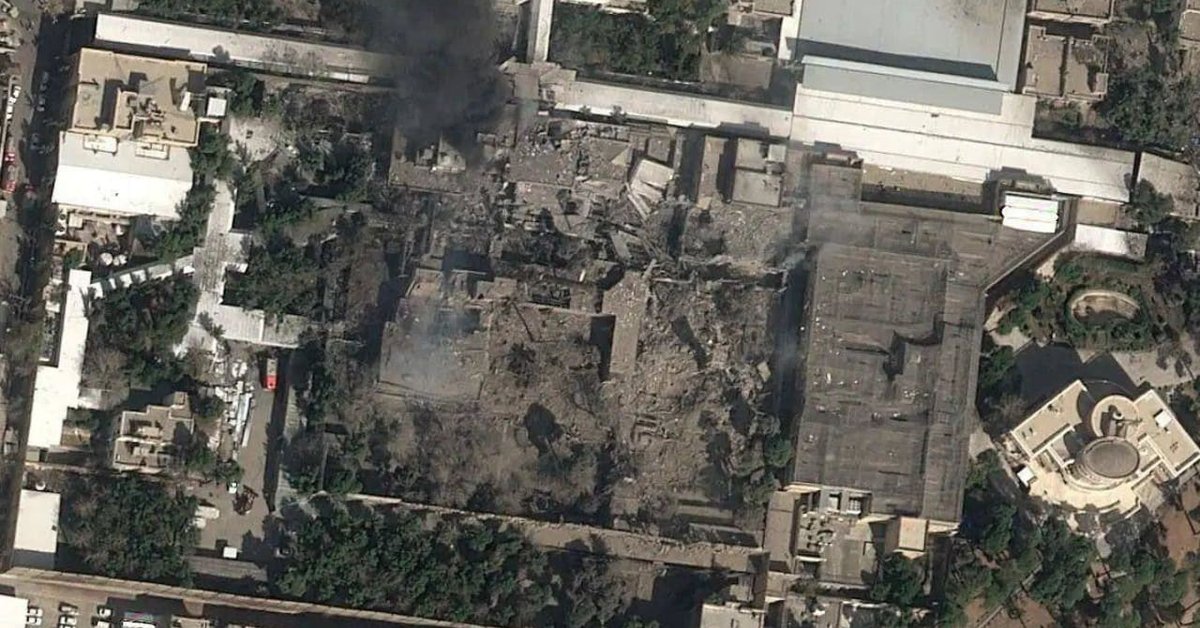
The United States carried out additional strikes on Iranian military targets, hitting the southwestern Khuzestan province cities of Abadan and Mahshahr, as well as Qeshm Island, according to Iranian state media and a U.S. official cited by Reuters. These followed earlier U.S. strikes on Bushehr and Bandar Abbas aimed at degrading Iran's ability to attack commercial shipping. Iran's Islamic Revolutionary Guard Corps (IRGC) retaliated by striking two supertankers in Omani waters near the Strait of Hormuz, killing one crew member according to the United Arab Emirates, and launched aerial attacks on Kuwait, Bahrain, and claimed an attack on U.S. military facilities in Jordan. Both sides acknowledged the escalation, with President Trump scrapping a planned Strait of Hormuz levy and accusing Iran of firing first, while Iran's deputy foreign minister declared the June 17 U.S.-Iran memorandum of understanding effectively dead and accused the U.S. of violating its obligations.
Key Actors
- ·United States(Striking party)Conducted strikes on Iranian military targets in Abadan, Mahshahr, Qeshm Island, Bushehr, and Bandar Abbas; President Trump asserts Iran initiated hostilities and seeks to pressure Iran back to negotiations.
- ·Islamic Revolutionary Guard Corps (IRGC)(Iranian military force responsible for external operations)Acknowledged disabling two supertankers after ignoring warnings, claimed attacks on U.S. facilities in Jordan, and struck Kuwait and Bahrain; accused the U.S. of destroying the ceasefire memorandum and inciting vessels.
- ·United Arab Emirates(Affected Gulf state)Reported that an Iranian strike on two ships in Omani waters killed one crew member, highlighting the direct impact on Gulf shipping.
- ·Oman(Mediator and coastal state)Called on all parties to respect international law regarding navigation in the Strait of Hormuz and expressed concern over the escalation cycle.
Why It Matters
The unraveling of the U.S.-Iran memorandum of understanding and the resumption of direct military exchanges mark a dangerous escalation in the protracted low-intensity conflict, threatening to spiral into full-scale war. Attacks on commercial shipping in the Strait of Hormuz—through which a significant portion of global oil transit passes—raise the specter of a global energy crisis, while strikes on U.S. allies in the Gulf signal a widening theater of operations. The diplomatic breakdown leaves no immediate off-ramp, increasing the risk of miscalculation.
Watch For
Iran's statement that it holds no commitments under the defunct MoU, particularly regarding the Strait of Hormuz, could lead to further disruption of shipping. Monitor for additional tanker attacks or U.S. retaliatory strikes, responses from Gulf Cooperation Council states, and any emergency sessions at the UN Security Council or International Maritime Organization. Trump's pivot to trade deals with Gulf states as an alternative to a Hormuz levy may shift economic pressure dynamics.
Generated 11d ago · Based on full articleAuto-Compiled
This page aggregates and summarizes reporting from Al Jazeera. The Conflict Pulse does not author original reporting. Read the original source for full coverage.
CONFLICT OVERVIEW
Iran
Latest verified updates on Iran’s regional confrontation, U.S.–Israeli strikes, missile retaliation, proxy networks, sanctions, and Strait of Hormuz risks.
SOURCE PERSPECTIVES
How outlets across the bias spectrum are covering this conflict.
left
US expands Iran attacks as Trump warns Tehran and Houthis over Red Sea strikes
The Guardian Middle EastHow Chinese tech and Russian tactics are aiding Iran’s bombing of US bases
The Guardian AsiaLATEST FROM IRAN