Al Jazeera
centerREPORTUS launches new wave of strikes against Iran, aimed at ‘degrading’ military

Full BriefGenerated 13d ago
What Happened
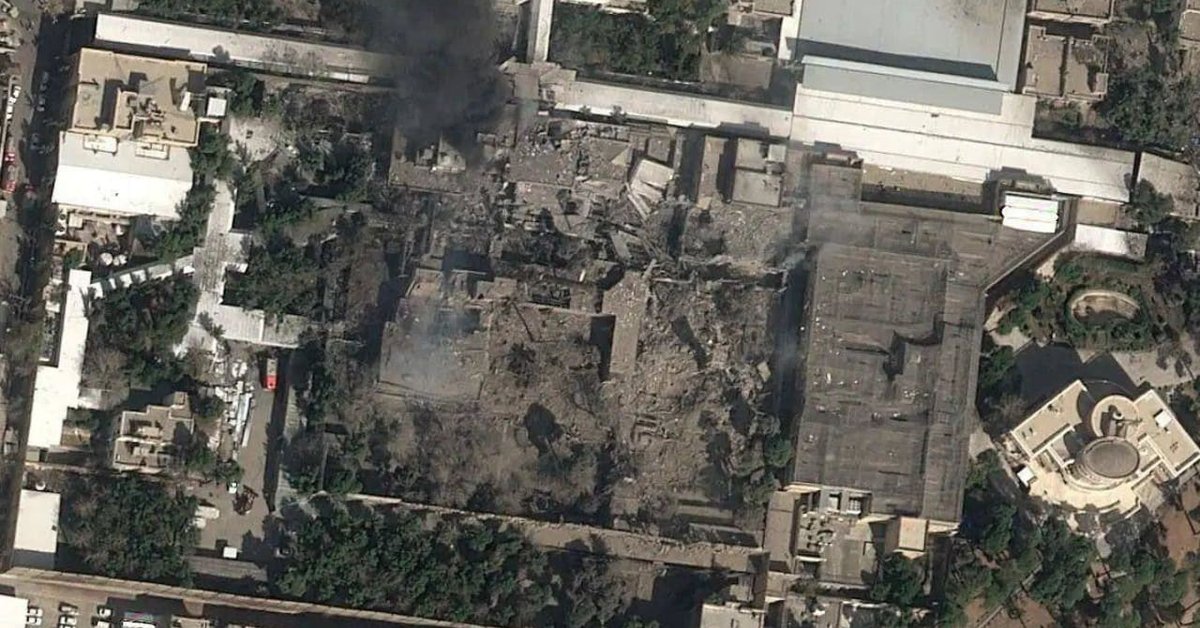
United States Central Command launched a new wave of airstrikes against Iranian military targets on Sunday at 21:00 GMT, following a series of tit-for-tat exchanges that began on July 7. The strikes, authorized by President Donald Trump, targeted infrastructure related to drones, missiles, ammunition, and naval operations in areas including Sirik, Qeshm Island, Jask, and west of Bandar Abbas. The US stated the operation aims to degrade Iranian capabilities to threaten commercial shipping in the Strait of Hormuz, citing a recent attack on the Cyprus-registered M/V GFS Galaxy as a primary justification. Iranian state media reported explosions in these locations, while the Hormozgan provincial government stated no civilian casualties have occurred. Iran has responded to these actions by launching counterattacks against US military installations in Jordan, Bahrain, Kuwait, Qatar, and Oman, and has declared the Strait of Hormuz closed to traffic.
Key Actors
- ·US Central Command(US military combatant command)Executing strikes to degrade Iranian military capabilities and maintain transit through the Strait of Hormuz.
- ·Esmaeil Baghaei(Iranian Ministry of Foreign Affairs spokesperson)Asserted Iran's right to self-defense and called for regional states to stop hosting US military assets.
- ·Donald Trump(President of the United States)Authorized the strikes and declared the previous ceasefire memorandum with Iran to be over.
Why It Matters
The collapse of the June ceasefire memorandum and the ongoing military exchanges threaten the stability of the Strait of Hormuz, a critical maritime chokepoint for approximately 20 percent of global oil and natural gas supplies. The conflict has resulted in the suspension of commercial traffic, leaving an estimated 6,000 seafarers stranded and exacerbating global fuel price volatility. The escalation risks a broader regional conflict as Iran continues to target US military installations across the Middle East in response to the strikes.
Watch For
Monitor for further developments regarding the status of the Strait of Hormuz and potential impacts on global energy markets. Observe whether the US or Iran will engage in further diplomatic channels despite the declared end of the ceasefire, and watch for any additional retaliatory strikes against US bases in Jordan, Bahrain, Kuwait, Qatar, and Oman.
Generated 13d ago · Based on full articleAuto-Compiled
This page aggregates and summarizes reporting from Al Jazeera. The Conflict Pulse does not author original reporting. Read the original source for full coverage.
CONFLICT OVERVIEW
Iran
Latest verified updates on Iran’s regional confrontation, U.S.–Israeli strikes, missile retaliation, proxy networks, sanctions, and Strait of Hormuz risks.
SOURCE PERSPECTIVES
How outlets across the bias spectrum are covering this conflict.
left
US expands Iran attacks as Trump warns Tehran and Houthis over Red Sea strikes
The Guardian Middle EastHow Chinese tech and Russian tactics are aiding Iran’s bombing of US bases
The Guardian AsiaLATEST FROM IRAN