Middle East Eye
centerREPORTUS confirms it disabled third tanker off Oman this week

Full BriefGenerated 11d ago
What Happened
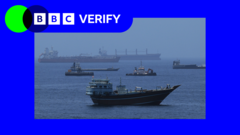
The US military confirmed it disabled a third oil tanker in the Gulf of Oman overnight, enforcing what US Central Command (Centcom) described as a 'blockade against Iran'. Centcom stated that a US aircraft fired two Hellfire missiles into the engine room of the Guinea-Bissau flagged M/T Jalveer after its crew repeatedly failed to comply with directions, alleging the vessel was attempting to transport Iranian oil. This follows the disabling of the Palau-flagged Marivex on Monday and Settebello on Tuesday for the same reason. The action represents a sharp escalation in maritime interdiction operations, directly targeting commercial vessels to enforce sanctions on Iranian oil exports.
Key Actors
- ·US Central Command (Centcom)(US military command responsible for the Middle East)Conducted air strikes against three commercial tankers this week, asserting they violated an American-enforced blockade on Iranian oil.
- ·Iran(State actor under international sanctions)Its oil exports are the target of the US blockade, with Centcom claiming the disabled tankers were transporting Iranian crude.
- ·Commercial tankers (Guinea-Bissau-flagged M/T Jalveer; Palau-flagged Marivex and Settebello)(Suspected of transporting Iranian oil in contravention of US sanctions)All three vessels were disabled by US air strikes after allegedly ignoring warnings to halt operations.
Why It Matters
The disabling of three tankers within a week marks a significant intensification of maritime enforcement against Iranian oil exports, moving from seizure or disruption to direct kinetic strikes on commercial shipping. It occurs amid contradictory signals: President Trump reportedly cancelled strikes and claimed a diplomatic breakthrough with Tehran, yet the military is simultaneously applying maximum physical pressure. This raises the risk of a direct US-Iran escalation, threatens freedom of navigation in the strategically vital Gulf of Oman, and may provoke retaliatory action from Iran or its regional proxies, including attacks on oil infrastructure or shipping.
Watch For
Monitor Iran's formal response through diplomatic channels and any military posturing in the Gulf region. Watch for potential asymmetric retaliation, such as Houthi attacks on commercial vessels in the Red Sea or disruptive actions near the Strait of Hormuz. Observe whether the US continues its interdiction campaign, the reaction of the vessels' flag states (Guinea-Bissau, Palau), and any legal challenges in international forums. Additionally, track oil market volatility and statements from Trump administration officials clarifying the apparent disconnect between diplomacy and military enforcement.
Generated 11d ago · Based on full articleAuto-Compiled
This page aggregates and summarizes reporting from Middle East Eye. The Conflict Pulse does not author original reporting. Read the original source for full coverage.
CONFLICT OVERVIEW
Iran
Latest verified updates on Iran’s regional confrontation, U.S.–Israeli strikes, missile retaliation, proxy networks, sanctions, and Strait of Hormuz risks.
SOURCE PERSPECTIVES
How outlets across the bias spectrum are covering this conflict.
LATEST FROM IRAN