
BBC US & Canada
centerREPORTCongress passes war powers measure for first time, breaking with Trump over Iran
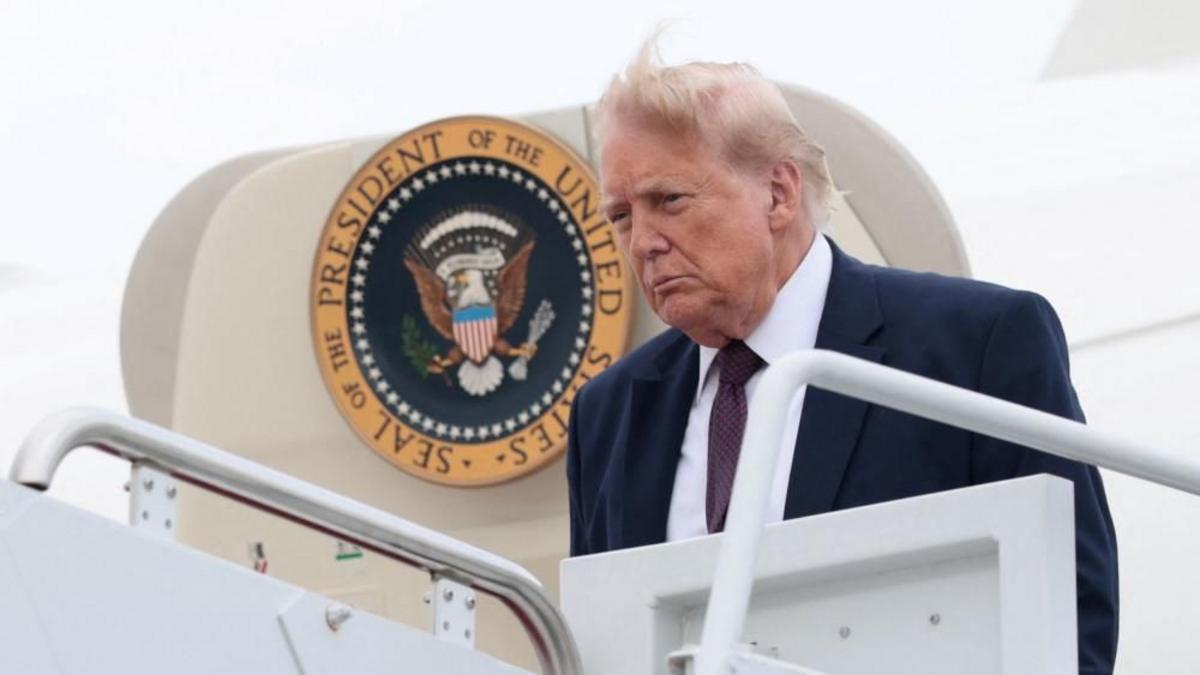
Experts say Trump is likely to ignore it, but that even though it carries little power, it is politically significant.
Full BriefGenerated 62d ago
What Happened
The U.S. Senate voted 50-48 on Tuesday to pass a concurrent resolution directing President Donald Trump to halt the war in Iran or seek congressional approval before continuing military action, marking the first time both chambers of Congress have approved such a measure since the 1973 War Powers Resolution. The vote saw four Republican senators—Rand Paul, Lisa Murkowski, Susan Collins, and Bill Cassidy—join Democrats in support, while Democrat John Fetterman voted against; two Republicans, including Senator Mitch McConnell, were absent. The resolution, which follows a House passage in June, is largely symbolic as it bypasses presidential veto and lacks legal force, but it reflects growing bipartisan pressure amid spiking petrol prices and public opposition to the conflict.
The military confrontation began on 28 February with U.S. and Israeli strikes against Iran; Iran retaliated by attacking Israel and Gulf states and closed the Strait of Hormuz, leading the U.S. to impose a naval blockade in April. A ceasefire agreed on 8 April collapsed, but an interim memorandum of understanding (MoU) was signed last week. Both sides continue to clash over MoU details, while the Trump administration argues that ceasefires reset the 60-day war powers clock and can be extended 30 days for national security.
Key Actors
- ·U.S. Senate(Legislative chamber)Passed the war powers resolution 50-48, with bipartisan defections, instructing the President to end or seek approval for the Iran conflict.
- ·Republican Senators Rand Paul, Lisa Murkowski, Susan Collins, Bill Cassidy(Republican defectors)Voted with Democrats to pass the resolution, signaling significant intra-party dissent over the President's war authority.
- ·President Donald Trump(U.S. Executive)Administration claims ceasefires reset the 60-day war powers clock; pursuing an MoU with Iran while facing congressional rebuke.
- ·Iran(Adversary state)Retaliated against U.S./Israeli strikes, closed Strait of Hormuz, agreed to an MoU but continues to dispute implementation details.
Why It Matters
The vote, though symbolic, delivers a rare bipartisan rebuke of presidential war-making powers and challenges the administration's legal justification for ongoing military action without explicit congressional authorization. It amplifies domestic pressure on the White House as economic impacts like fuel prices fuel public discontent, potentially affecting U.S. leverage in ceasefire negotiations with Iran. The Republican fractures revealed may constrain future foreign policy initiatives and embolden legislative efforts to reassert congressional war powers.
Watch For
Monitor whether the resolution sparks a legal challenge or additional legislative action to enforce the War Powers Resolution, particularly as the 60-day clock debate intensifies. Track progress on the Iran MoU and any ceasefire violations, given unresolved disputes. Key indicators: upcoming diplomatic exchanges, Iranian compliance with the interim deal, and any retaliatory moves by Iran or allied groups. Also, observe how U.S. domestic opposition influences the administration's negotiating stance.
Generated 62d ago · Based on full articleAuto-Compiled
This page aggregates and summarizes reporting from BBC US & Canada. The Conflict Pulse does not author original reporting. Read the original source for full coverage.
CONFLICT OVERVIEW
Iran
Latest verified updates on Iran’s regional confrontation, U.S.–Israeli strikes, missile retaliation, proxy networks, sanctions, and Strait of Hormuz risks.
SOURCE PERSPECTIVES
How outlets across the bias spectrum are covering this conflict.
LATEST FROM IRAN

REPORTMiddle East Eye10d ago
Iran formalises Strait of Hormuz control as US struggles to sustain war it launched with Israel

REPORTAl Jazeera10d ago
US threatens ‘indefinite’ blockade against Iran: How long can it last?

REPORTMiddle East Eye10d ago
Morning update
REPORTMiddle East Eye11d ago
Vance says US will end up 'in a stronger position' than Iran

REPORTJerusalem Post — Iran News11d ago
US Treasury Secretary Bessent says US to apply measures 'never seen before' on Iran

REPORTAl Jazeera11d ago