naharnet.com
centerREPORTUS and Iran set for new talks after delay and deadly strikes
Full BriefGenerated 4d ago
What Happened
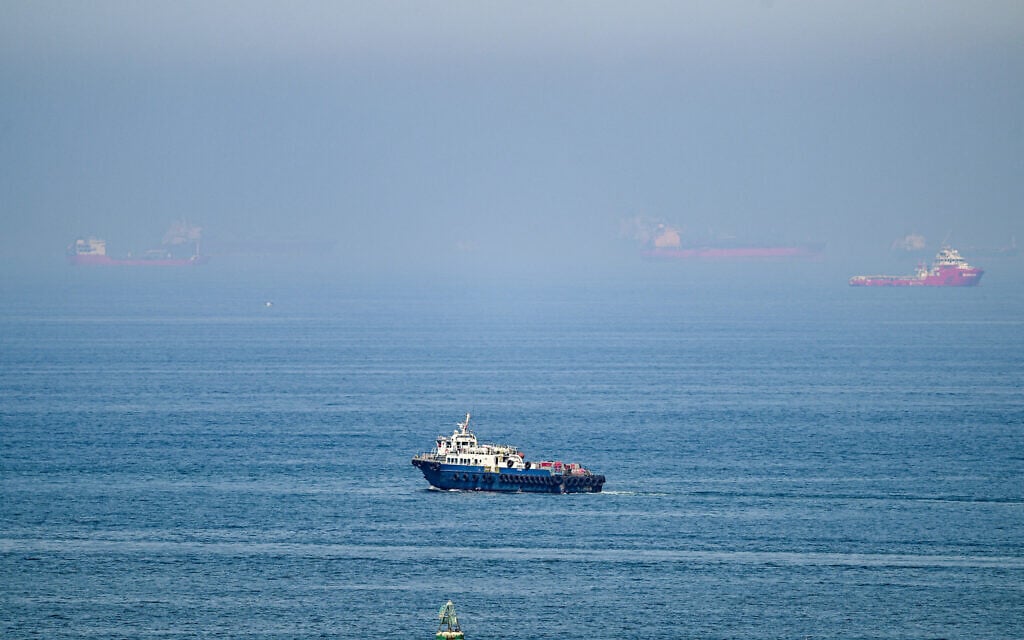
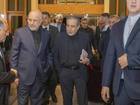
A new round of negotiations between the United States and Iran commenced on Sunday in Switzerland, with U.S. Vice President JD Vance and an Iranian delegation including parliamentary speaker Mohammad Bagher Ghalibaf and Foreign Minister Abbas Araghchi in attendance. The talks, originally scheduled for Friday, were delayed after Israel launched strikes in Lebanon following the deaths of four of its soldiers. Ahead of the meeting, Iran's central military command announced the closure of the Strait of Hormuz to vessel traffic, citing a U.S. 'breach of contract' and Israeli violations of the ceasefire in southern Lebanon; however, U.S. Central Command stated that safe passage remained intact and U.S. forces were 'present and vigilant.' U.S. negotiators Jared Kushner and Steve Witkoff were already engaged in technical discussions. Simultaneously, the Lebanon ceasefire brokered as part of the preliminary U.S.-Iran deal frayed, with Israel and Hezbollah trading accusations of violations and Israeli airstrikes reported in around 20 locations, leaving over 30 dead and pushing the conflict death toll past 4,000, according to Lebanese authorities.
Key Actors
- ·JD Vance(U.S. Vice President)Leading U.S. negotiations, seeking progress on the nuclear issue and Lebanon ceasefire.
- ·Mohammad Bagher Ghalibaf and Abbas Araghchi(Iranian parliamentary speaker and foreign minister)Arrived in Switzerland to demand implementation of U.S. commitments under the preliminary accord, warning the entire understanding is at risk.
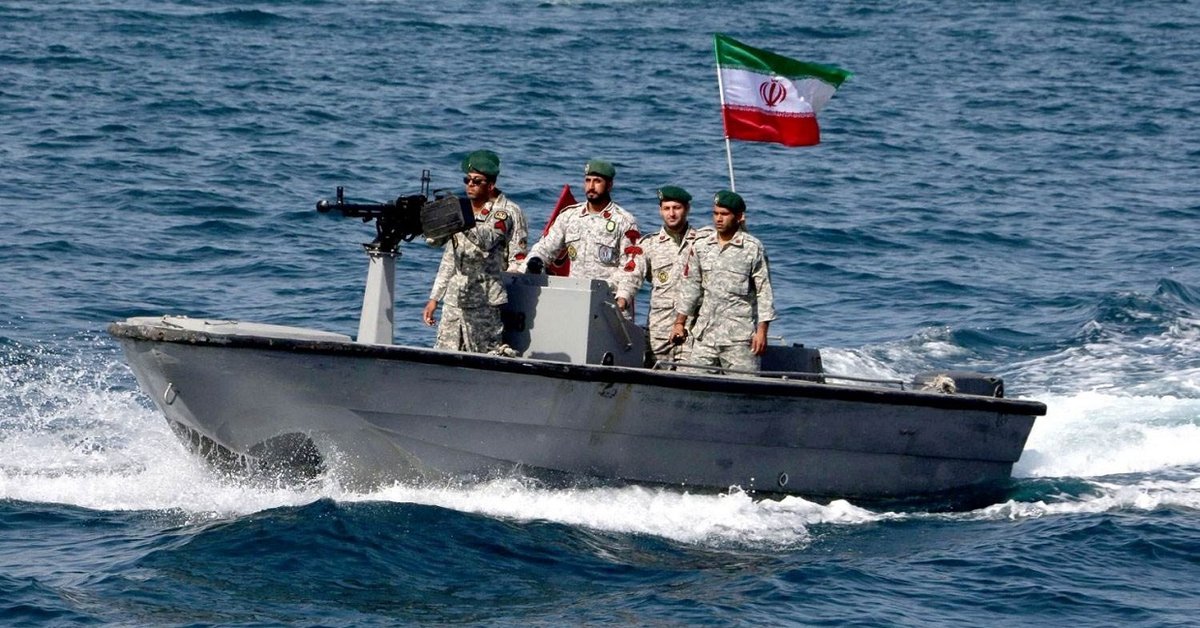
- ·Iran's central military command(Iranian military authority)Announced the closure of the Strait of Hormuz, blaming U.S. and Israeli actions, reversing the reopening agreed in the preliminary deal.
- ·Hezbollah(Lebanese militant group and political party)Accused Israel of violating the Lebanon ceasefire with an infiltration attempt and airstrikes, asserting the right to respond; represented by lawmaker Hassan Fadlallah.
Why It Matters
The talks are a pivotal attempt to solidify a preliminary U.S.-Iran accord that had briefly reopened the Strait of Hormuz, a critical energy chokepoint, and established a fragile truce in Lebanon. Iran's renewed Hormuz closure threat and the collapse of the Lebanon ceasefire risk reigniting broader regional conflict and disrupting global oil markets. The presence of high-level officials and mediators from Pakistan and Qatar underscores the international stakes, while the outcome will test the durability of the U.S.-Iran diplomatic track amid ongoing violence.
Watch For
Monitor the Switzerland talks for concrete progress on the two-month negotiation period for Iran's nuclear program and the Lebanon ceasefire. Key indicators include public statements by Vance, Ghalibaf, or Araghchi; any US or Iranian military actions regarding Hormuz; and whether fighting in southern Lebanon escalates further despite Israeli orders to cease fire. Also watch for Trump's hinted tolls on Hormuz and potential U.S. Central Command force posture changes.
Generated 4d ago · Based on full articleAuto-Compiled
This page aggregates and summarizes reporting from naharnet.com. The Conflict Pulse does not author original reporting. Read the original source for full coverage.
CONFLICT OVERVIEW
Iran
Latest verified updates on Iran’s regional confrontation, U.S.–Israeli strikes, missile retaliation, proxy networks, sanctions, and Strait of Hormuz risks.
SOURCE PERSPECTIVES
How outlets across the bias spectrum are covering this conflict.
LATEST FROM IRAN