Jerusalem Post — Iran News
rightDEVELOPINGIran seeks multibillion-dollar role in Strait of Hormuz reopening as US forbids tolls - report

Full BriefGenerated 7h ago
What Happened
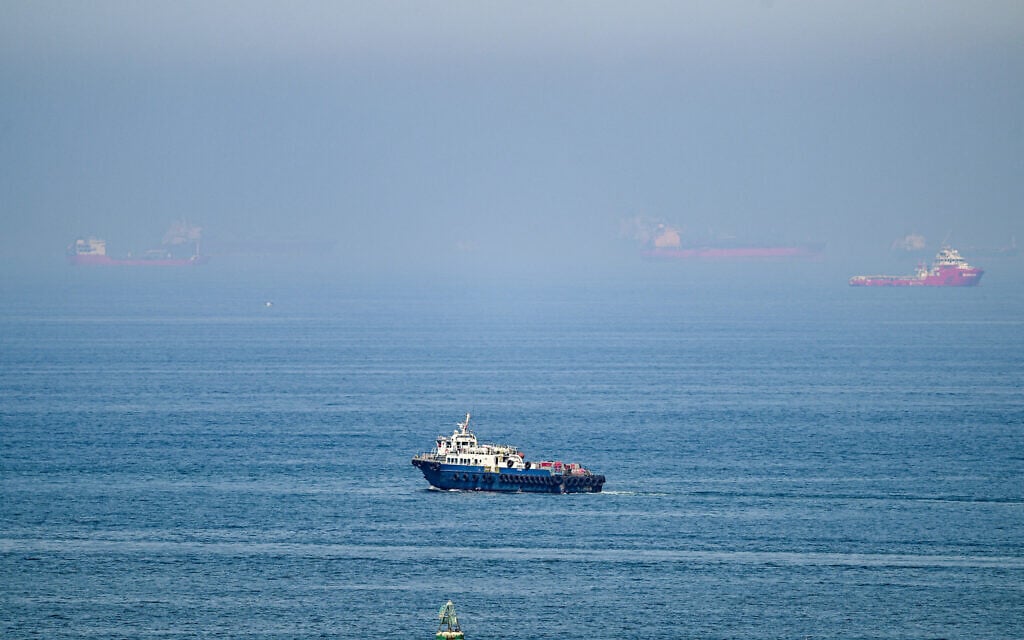
Iran is seeking a multibillion-dollar role in the administration of the Strait of Hormuz following its reopening, with officials telling the Wall Street Journal that Tehran estimates countries responsible for security and environmental services could earn over $40 billion annually. Iran has reportedly modeled its proposal on Turkey's taxation of the Dardanelles and suggested to Middle Eastern states and China that they share in both responsibility and revenue. However, the United States has firmly rejected any tolls. Speaking during a Gulf visit this week, US Secretary of State Marco Rubio said Iran would not be allowed to impose tolls, and President Donald Trump stated on Truth Social that Iran had informed the US that no tolls, insurance costs, or other charges are being sought on ships transiting the strait. The dispute follows a US-Iran Memorandum of Understanding signed in mid-June that reopened the strait to regular traffic after months of disruption and tasked Iran and Oman with negotiating an administration agreement under maritime law.
Key Actors
- ·Iran(State seeking revenue from Strait of Hormuz administration)Proposed toll-based management modeled on Turkey's Dardanelles and suggested revenue-sharing with regional countries and China; later denied seeking tolls in communication with the US, according to Trump.
- ·United States(Counterparty opposing tolls on strait passage)Through President Trump and Secretary of State Rubio, forbade any tolls; Trump said Iran agreed not to impose charges, citing a direct communication.
- ·Oman(Co-negotiator under US-Iran MOU)Will negotiate an agreement with Iran over administration of the Strait of Hormuz in accordance with maritime law.
Why It Matters
The Strait of Hormuz is a critical chokepoint for global energy shipments. Iran's attempt to monetize its management risks setting a precedent for other maritime bottlenecks and could re-ignite economic instability if tolls were imposed. The US veto underscores its commitment to freedom of navigation, but the MOU reveals a delicate arrangement where Iran and Oman will shape the legal framework, leaving room for future friction. The episode highlights the intersection of economic coercion, maritime law, and the broader US-Iran standoff, with implications for oil markets and regional Gulf security.
Watch For
The upcoming Iran-Oman negotiations over strait administration will be closely watched for any provisions that could reintroduce fees or restrictions. Statements from US officials or Iranian state media may clarify the denials. Shipping insurance markets and oil prices may react to any perceived risks. Regional reactions, especially from Gulf states and China, could influence the outcome. Monitoring of strait traffic patterns and compliance with the MOU will indicate whether de-escalation holds.
Generated 7h ago · Based on full articleAuto-Compiled
This page aggregates and summarizes reporting from Jerusalem Post — Iran News. The Conflict Pulse does not author original reporting. Read the original source for full coverage.
CONFLICT OVERVIEW
Iran
Latest verified updates on Iran’s regional confrontation, U.S.–Israeli strikes, missile retaliation, proxy networks, sanctions, and Strait of Hormuz risks.
SOURCE PERSPECTIVES
How outlets across the bias spectrum are covering this conflict.
LATEST FROM IRAN