BBC Middle East
centerREPORTFirst round of US-Iran talks ends with encouraging progress, mediators say
Full BriefGenerated 4d ago
What Happened
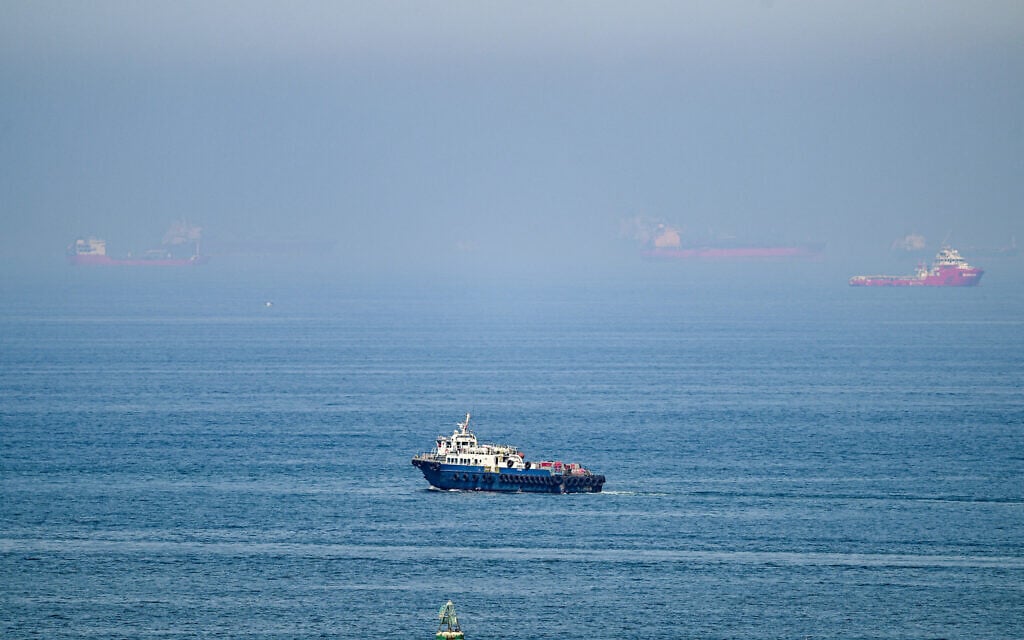
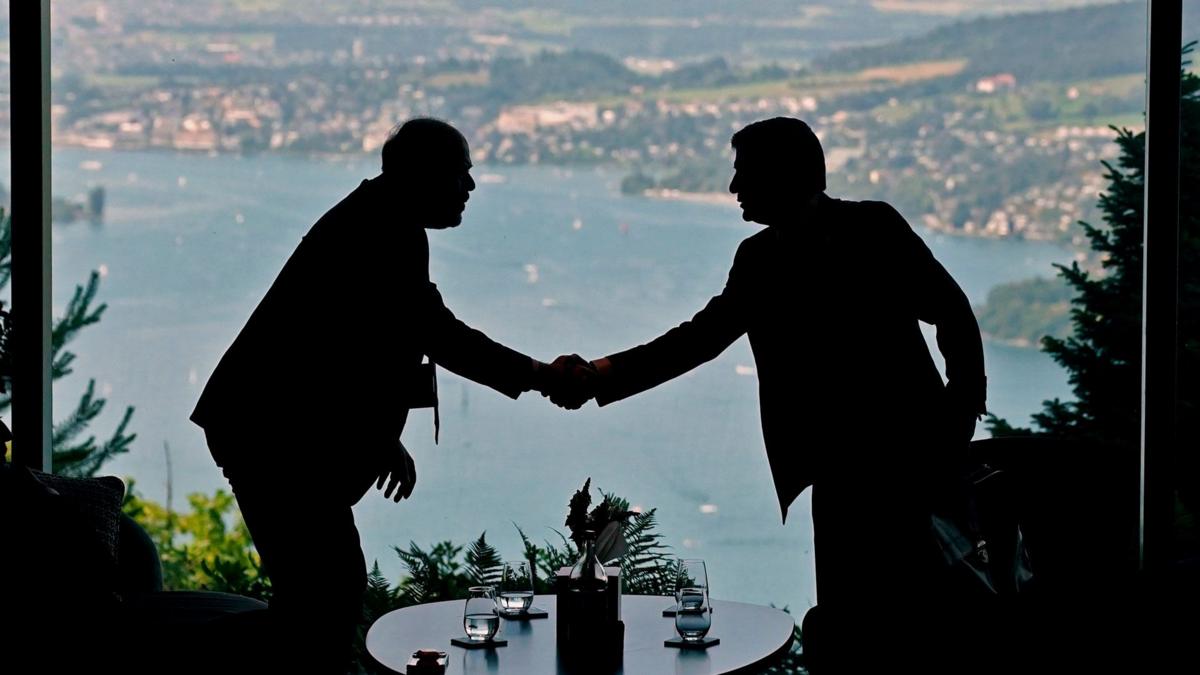
US and Iranian officials began direct talks at the Bürgenstock resort in Switzerland on Sunday, following an initial peace agreement signed earlier in the week. The preliminary deal, endorsed by Presidents Trump and Pezeshkian, commits to a final agreement within 60 days, an immediate cessation of hostilities on 'all fronts'—including Lebanon—and the reopening of the Strait of Hormuz. The US pledged to lift its military blockade on Iranian ports, terminate all sanctions, and provide a $300bn reconstruction package. However, Iran closed the Strait of Hormuz on Saturday in response to ongoing Israeli-Hezbollah clashes that have killed at least 67 people in Lebanon and five Israeli soldiers since the deal was signed, though MarineTraffic data showed some vessels still transiting the waterway on Sunday. Trump threatened on social media to 'hit Iran very hard again' if it did not stop its proxies in Lebanon. Vice President JD Vance stated the US is willing to 'fundamentally transform' relations if Iran abandons its nuclear ambitions and destabilising activities, while Iranian Foreign Ministry spokesman Esmaeil Baqaei insisted a final deal requires enforcement of existing commitments, including a complete halt to military operations. The nuclear issue remains to be negotiated.
Key Actors
- ·Donald Trump(President of the United States)Demanded Iran stop its 'proxies' in Lebanon and threatened further military strikes if they do not comply; signed the initial peace deal.
- ·JD Vance(Vice President of the United States)Led the US delegation in Switzerland and stated the US is open to transforming relations if Iran relinquishes nuclear ambitions and regional destabilisation.
- ·Mohammad Bagher Ghalibaf(Speaker of the Iranian Parliament)Represented Iran in the Bürgenstock talks alongside Foreign Minister Araghchi, demanding enforcement of commitments including a halt to military operations.
- ·Abbas Araghchi(Foreign Minister of Iran)Joined Ghalibaf in negotiations, with Tehran insisting the nuclear file must be settled and that the US uphold its side of the initial agreement.
Why It Matters
The Swiss talks are the first direct US-Iran engagement after a devastating multi-front war that has drawn in Israel, Hezbollah, and disrupted global energy markets via the Strait of Hormuz. The initial deal’s sweeping commitments—sanctions relief, reconstruction funds, and a military blockade lift—signal a potential historic reset, but the persistence of Israel-Hezbollah violence and the unresolved nuclear file threaten to unravel progress. The outcome will reshape Middle Eastern security architecture and test the US ability to deliver on its pledges while managing its alliance with Israel.
Watch For
Monitoring the 60-day deadline for a final deal, any further escalation or ceasefire enforcement in Lebanon, satellite and tracking data on Strait of Hormuz traffic to verify Iran's compliance, and the upcoming nuclear negotiations which remain the core dispute. US domestic reception—Congressional pushback on sanctions termination—and Iran’s internal political dynamics under President Pezeshkian will influence the process.
Generated 4d ago · Based on full articleAuto-Compiled
This page aggregates and summarizes reporting from BBC Middle East. The Conflict Pulse does not author original reporting. Read the original source for full coverage.
CONFLICT OVERVIEW
Iran
Latest verified updates on Iran’s regional confrontation, U.S.–Israeli strikes, missile retaliation, proxy networks, sanctions, and Strait of Hormuz risks.
SOURCE PERSPECTIVES
How outlets across the bias spectrum are covering this conflict.
LATEST FROM IRAN