bbc.co.uk
centerREPORTTrump scraps threat of 20 % fee on Hormuz cargo as US prepares to resume blockade of Iran ports
Full BriefGenerated 11d ago
What Happened
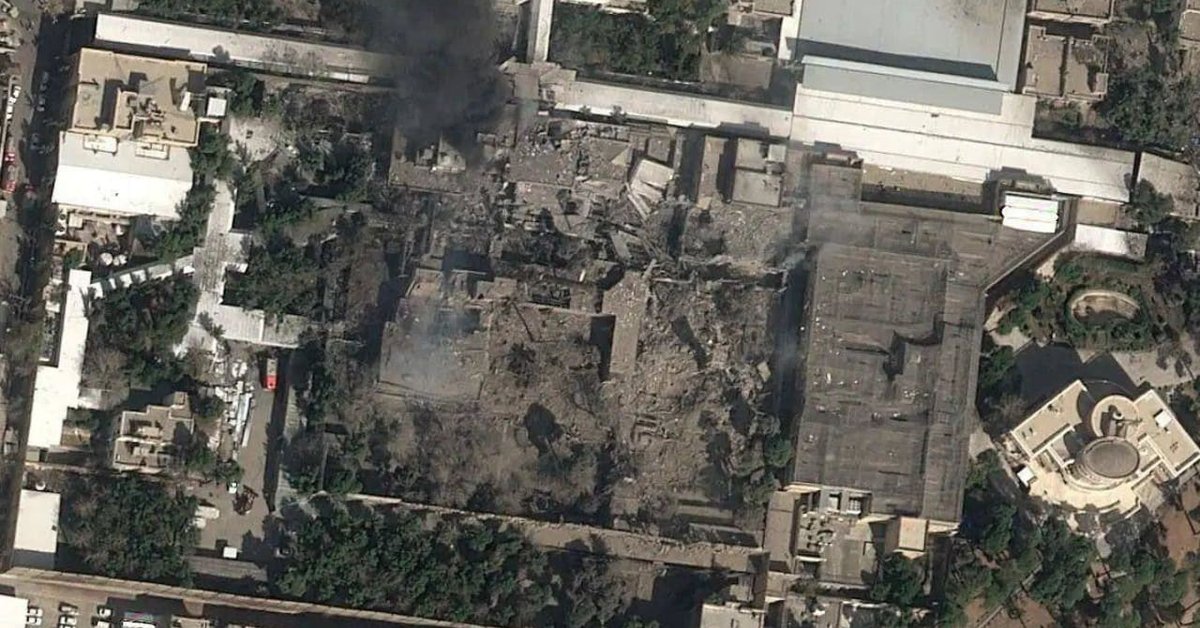
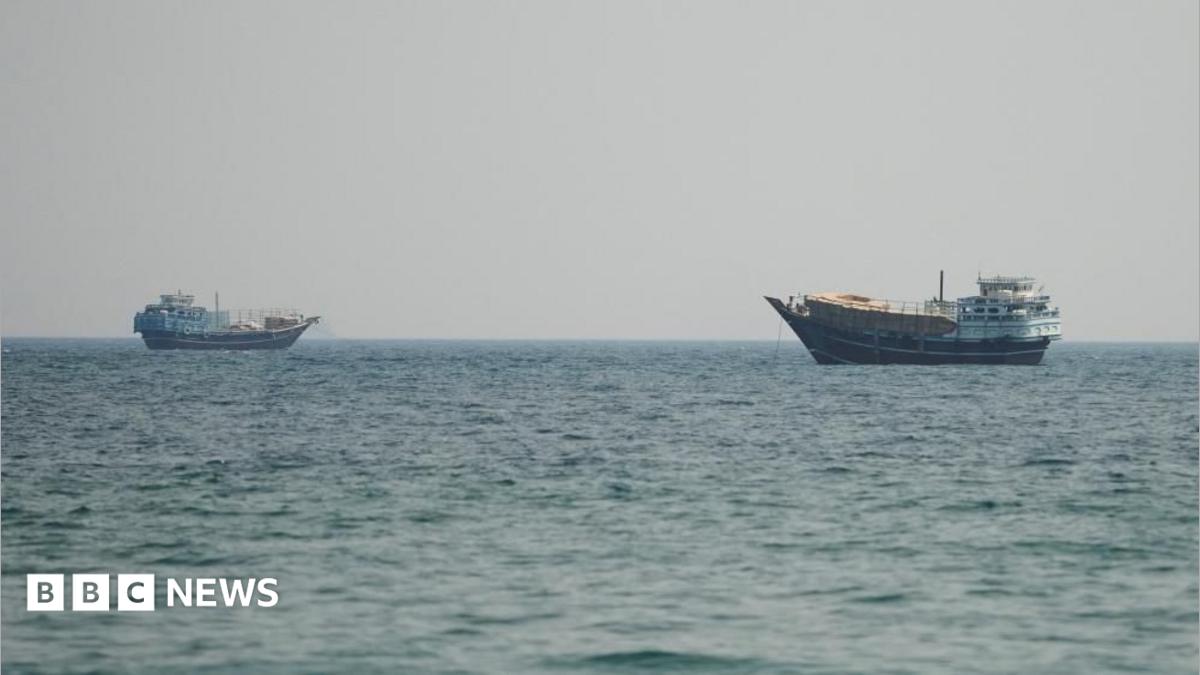
President Donald Trump reversed a threatened 20% fee on all cargo shipping through the Strait of Hormuz, announcing it would be replaced by trade and investment deals with Gulf states. Hours later, the U.S. was set to resume a naval blockade on Iranian ports as of 16:00 Eastern Time (20:00 GMT) on Tuesday, according to U.S. Central Command (Centcom). The moves followed a third consecutive night of U.S. strikes aimed at degrading Iran's ability to disrupt shipping in the strait, while Iran's state media reported blasts in several cities, including Bushehr—site of a nuclear power plant. Tehran claimed it had targeted U.S. military facilities in Bahrain and Jordan after earlier hitting two United Arab Emirates tankers. Shipping data showed traffic through the strait at a two-month low, and Brent crude prices rose sharply. Trump declared the U.S. the 'guardian' of the strait and said it remained open to all traffic except Iranian vessels.
Key Actors
- ·Donald Trump(President of the United States)Reversed a planned 20% fee on Hormuz cargo, replacing it with trade deals; ordered the resumption of a naval blockade on Iranian ports; declared the U.S. 'guardian' of the Strait of Hormuz.
- ·U.S. Central Command (Centcom)(U.S. military command responsible for the Middle East)Announced a third night of strikes to degrade Iran's ability to hit shipping in the Strait; set the blockade to begin at 16:00 Eastern Time on Tuesday.
- ·Iran(State actor controlling the Strait of Hormuz)Accused the U.S. of interfering in its management of the strait; state media reported blasts in multiple cities including Bushehr; Tehran claimed it targeted U.S. military facilities in Bahrain and Jordan and hit two UAE tankers.
- ·Benjamin Netanyahu(Prime Minister of Israel)Warned that Israel's retaliation against Iran would be 'much more powerful' if attacked first.
Why It Matters
The Strait of Hormuz is a critical global energy chokepoint, through which about 25% of the world's oil and 20% of liquefied natural gas previously passed. A U.S. blockade and strikes escalate direct military confrontation with Iran, risking further disruption to oil markets and a potential wider conflict. Trump's shift from fees to trade deals signals a diplomatic overture to Gulf states, but the blockade tightens economic pressure on Iran while the U.S. asserts military control over the waterway.
Watch For
The U.S. naval blockade on Iranian ports took effect Tuesday at 20:00 GMT. Monitor its enforcement and any Iranian military response, including attacks on shipping or regional U.S. assets. Oil price volatility and changes in tanker traffic through Hormuz will indicate market assessment of risk. Trump promised 'massive' Gulf investment deals—concrete details may surface in coming days. Netanyahu's threat signals possible preemptive Israeli strikes if Iran retaliates, which could broaden the conflict.
Generated 11d ago · Based on full articleAuto-Compiled
This page aggregates and summarizes reporting from bbc.co.uk. The Conflict Pulse does not author original reporting. Read the original source for full coverage.
CONFLICT OVERVIEW
Iran
Latest verified updates on Iran’s regional confrontation, U.S.–Israeli strikes, missile retaliation, proxy networks, sanctions, and Strait of Hormuz risks.
SOURCE PERSPECTIVES
How outlets across the bias spectrum are covering this conflict.
left
US expands Iran attacks as Trump warns Tehran and Houthis over Red Sea strikes
The Guardian Middle EastHow Chinese tech and Russian tactics are aiding Iran’s bombing of US bases
The Guardian AsiaLATEST FROM IRAN