BBC Middle East
centerREPORTTrump threatens to bomb bridges and power plants unless Iran resumes talks
Full BriefGenerated 11d ago
What Happened
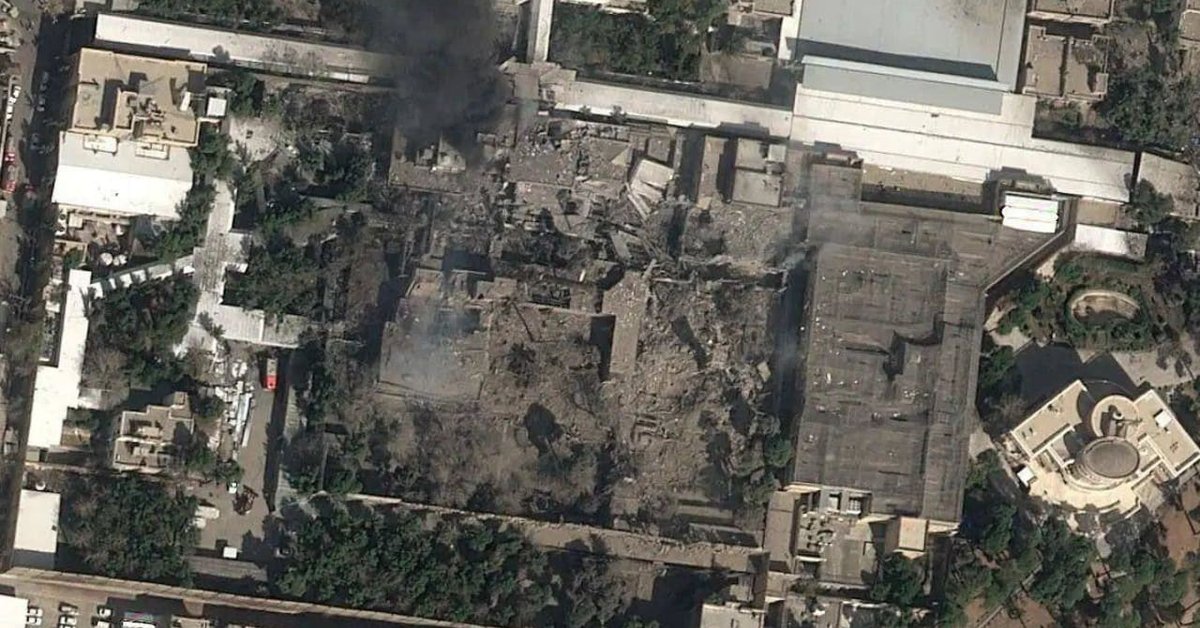
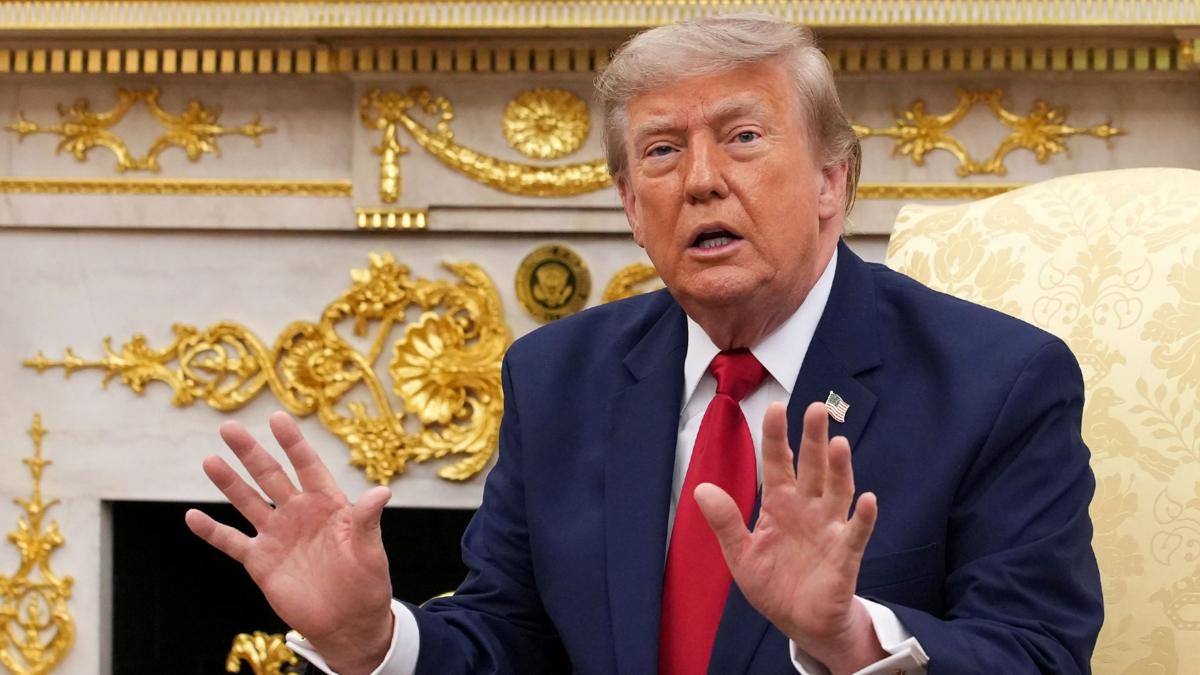
President Donald Trump reversed his threat of a 20% fee on Strait of Hormuz shipping, replacing it with unspecified trade and investment deals with Gulf states. Hours later, US Central Command announced a naval blockade on Iranian ports, effective 16:00 Eastern Time (20:00 GMT) Tuesday. The US said it had conducted a third night of strikes against targets in Iran to degrade its ability to threaten shipping in the waterway, and Iran's state media reported blasts in multiple cities, including Bushehr, site of a nuclear power plant. Iran claimed it had targeted US military facilities in Bahrain and Jordan and earlier hit two UAE tankers. Shipping data showed Strait traffic at a two-month low, and Brent crude prices rose sharply. In a separate statement, Israeli Prime Minister Benjamin Netanyahu warned that Israeli retaliation would be 'much more powerful' if Iran attacked first.
Key Actors
- ·Donald Trump(President of the United States)Scrapped a proposed 20% shipping fee in favor of Gulf investment deals, declared the US 'guardian' of the Strait of Hormuz, and ordered the naval blockade of Iranian ports.
- ·US Central Command(US military command)Set the naval blockade on Iranian ports to begin at 16:00 ET Tuesday and conducted strikes to degrade Iran's ability to hit shipping.
- ·Iran(State actor)Claimed attacks on US military facilities in Bahrain and Jordan and on two UAE tankers; effectively shut the Strait after US and Israeli strikes on 28 February, according to the report.
- ·Benjamin Netanyahu(Prime Minister of Israel)Warned that Israel's retaliation would be 'much more powerful' if Iran attacked first, escalating regional tension.
Why It Matters
The Strait of Hormuz handles roughly 25% of global oil and 20% of LNG, making its disruption a direct threat to global energy markets. The US blockade and strikes risk pushing Iran to further asymmetric responses, potentially drawing in proxies or allies and destabilizing the region. The reversal of the shipping fee to bilateral deals indicates an attempt to shore up Gulf cooperation, but the military escalation raises the stakes for a direct US–Iran confrontation.
Watch For
Monitor implementation of the US naval blockade from 16:00 ET Tuesday and any IRGC or Artesh naval reaction. Oil price and shipping insurance spikes are likely. Netanyahu's warning raises the prospect of Israeli preemptive strikes if Iran retaliates. Check IAEA reporting on the safety of Bushehr after reported explosions. Watch for emergency UN Security Council sessions or diplomatic backchannels.
Generated 11d ago · Based on full articleAuto-Compiled
This page aggregates and summarizes reporting from BBC Middle East. The Conflict Pulse does not author original reporting. Read the original source for full coverage.
CONFLICT OVERVIEW
Iran
Latest verified updates on Iran’s regional confrontation, U.S.–Israeli strikes, missile retaliation, proxy networks, sanctions, and Strait of Hormuz risks.
SOURCE PERSPECTIVES
How outlets across the bias spectrum are covering this conflict.
left
US expands Iran attacks as Trump warns Tehran and Houthis over Red Sea strikes
The Guardian Middle EastHow Chinese tech and Russian tactics are aiding Iran’s bombing of US bases
The Guardian AsiaLATEST FROM IRAN