Middle East Eye
centerDEVELOPINGTrump says US invasion of Kharg Island off the table

Live BriefGenerated 4h ago
Story Developing — Brief Reflects Events Through 4h ago
What Happened
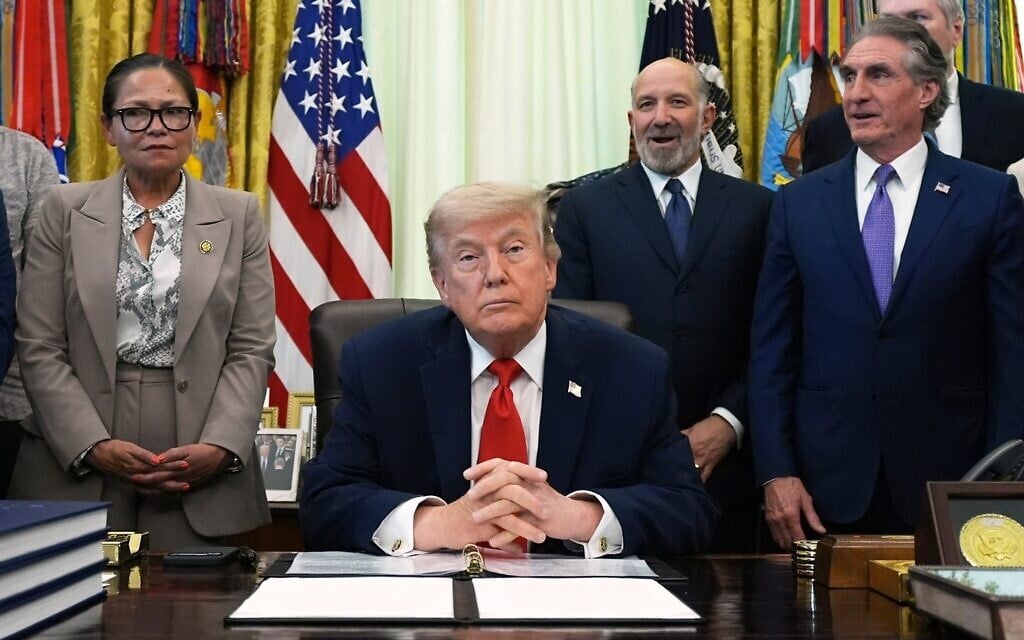
On 11 June 2026, US President Donald Trump announced at the White House that a 'very strong' and 'detailed' memorandum of understanding (MOU) outlines a possible agreement with Iran. Trump stated that the framework has been endorsed by multiple countries that have 'great influence' over Tehran, though he did not name them. He described the prospective deal as beneficial for both the US and the Middle East, and said it would allow Iran to 'build up their country'. Importantly, Trump said that if the agreement is signed, a potential US invasion of Iran's Kharg Island would no longer be under consideration. No signing date was set, but Trump said he expects it to occur soon. The article provides no independent confirmation of the MOU's contents or endorsements, and no Iranian response was reported.
Key Actors
- ·Donald Trump(President of the United States)Announced a memorandum of understanding with Iran and stated that a US invasion of Kharg Island would be off the table if the deal is signed.
- ·Iran(State actor)Party to the possible agreement; no official Iranian response was included in the article.
Why It Matters
Trump's statement signals a potential diplomatic off-ramp to the long-standing standoff over Iran's nuclear programme and regional posture. Kharg Island is Iran's main oil export terminal, handling over 90% of the country's crude shipments; a US invasion would represent a massive military escalation with global energy-market implications. The mention of a multilateral endorsement suggests that both Western and regional powers may be pressing for a negotiated settlement, possibly linking to broader negotiations over sanctions relief, Iran's nuclear activities, and its support for Axis of Resistance proxies. If realised, such a deal could reshape US-Iran relations and regional security dynamics.
Watch For
Watch for a formal signing ceremony and the release of the MOU's text, which will reveal the specific commitments from both sides. Monitor the Iranian government's official reaction through Foreign Ministry statements or Supreme Leader Ayatollah Khamenei's remarks, as internal hardliners may oppose concessions. Look for any reduction in US military posture around the Persian Gulf or statements from the IAEA regarding snap inspections or nuclear limits. Also track reactions from Iran's regional proxies (Hezbollah, Houthis, Iraqi PMF) and from Israel and Gulf states, which could either endorse or undercut the process.
Generated 4h ago · Based on full articleAuto-Compiled
This page aggregates and summarizes reporting from Middle East Eye. The Conflict Pulse does not author original reporting. Read the original source for full coverage.
CONFLICT OVERVIEW
Iran
Latest verified updates on Iran’s regional confrontation, U.S.–Israeli strikes, missile retaliation, proxy networks, sanctions, and Strait of Hormuz risks.
SOURCE PERSPECTIVES
How outlets across the bias spectrum are covering this conflict.
left
Trump claims US and Iran on verge of signing peace agreement, but Tehran says no final decision made
The Guardian Middle EastMiddle East crisis live: Trump says strait of Hormuz to open ‘as soon as’ US and Iran sign deal as Iran says no final decision made
The Guardian Middle EastLATEST FROM IRAN