
The Guardian Middle East
leftREPORTMilitary strikes on water facilities in Iran may constitute a war crime, experts say
Full BriefGenerated 75d ago
What Happened
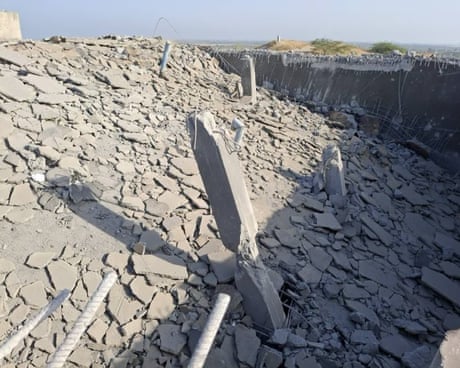
On 10 June, airstrikes destroyed two water storage facilities in Bemani district, Iran, about 2 miles from the Strait of Hormuz, affecting approximately 20,000 people. Iran's state broadcaster attributed the strikes to the US military, but this remains unverified. US Central Command (Centcom) spokesperson Tim Hawkins said they were "aware of reports and looking into it." Munition fragments photographed at the site were identified by former US army technician Trevor Ball as pieces of a GBU-39 precision-guided bomb. US President Donald Trump boasted of hitting Iran hard and suggested a deal was imminent, but conflicting reports emerged on whether any agreement was reached. Legal and military experts, including former State Department lawyer Brian Finucane, stated that if the water tanks were deliberately targeted, it would constitute a war crime. Senator Tim Kaine described the strike on water infrastructure as "not a minor matter" and announced plans for a war powers resolution. The incident follows earlier US strikes near the Strait of Hormuz, which Centcom said targeted air defense and radar sites, and a previous attack on a girls' school in Minab that killed dozens of students.
Key Actors
- ·US Central Command (Centcom)(Operating authority for US military operations in the Middle East)Investigating reports of the strike; declined to confirm or deny involvement.
- ·Donald Trump(President of the United States)Boasted about hitting Iran hard and claimed a deal was close, while conflicting reports left the status of negotiations unclear.
- ·Iran (state broadcaster)(Iranian state media)Claimed the US military carried out the strikes, without providing independent verification.
- ·Tim Kaine(US Senator from Virginia)Criticized the strike on water infrastructure, announced plans for a war powers resolution, and demanded Pentagon answers.
Why It Matters
The destruction of water infrastructure in Bemani—whether intentional or accidental—escalates the US-Iran standoff at a time of severe drought and water scarcity in Iran. Experts warn that deliberately targeting civilian water facilities would be a war crime, and the strike tests the fragile ceasefire and ongoing negotiations. It also fuels US domestic debate over presidential war powers, with Congress already having voted to constrain military action against Iran. The humanitarian impact could be acute, compounding Iran's internal water crisis.
Watch For
The outcome of Centcom's investigation into the Bemani strike, any further US military actions in Iran, clarification on the status of the ceasefire deal, and Senator Kaine's war powers resolution in the Senate. Monitor the humanitarian situation in Bemani and any retaliatory steps by Iran or allied groups.
Generated 75d ago · Based on full articleAuto-Compiled
This page aggregates and summarizes reporting from The Guardian Middle East. The Conflict Pulse does not author original reporting. Read the original source for full coverage.
CONFLICT OVERVIEW
Iran
Latest verified updates on Iran’s regional confrontation, U.S.–Israeli strikes, missile retaliation, proxy networks, sanctions, and Strait of Hormuz risks.
SOURCE PERSPECTIVES
How outlets across the bias spectrum are covering this conflict.
LATEST FROM IRAN

REPORTMiddle East Eye12d ago
Iran formalises Strait of Hormuz control as US struggles to sustain war it launched with Israel

REPORTAl Jazeera12d ago
US threatens ‘indefinite’ blockade against Iran: How long can it last?

REPORTMiddle East Eye12d ago
Morning update
REPORTMiddle East Eye12d ago
Vance says US will end up 'in a stronger position' than Iran

REPORTJerusalem Post — Iran News12d ago
US Treasury Secretary Bessent says US to apply measures 'never seen before' on Iran

REPORTAl Jazeera12d ago