bbc.co.uk
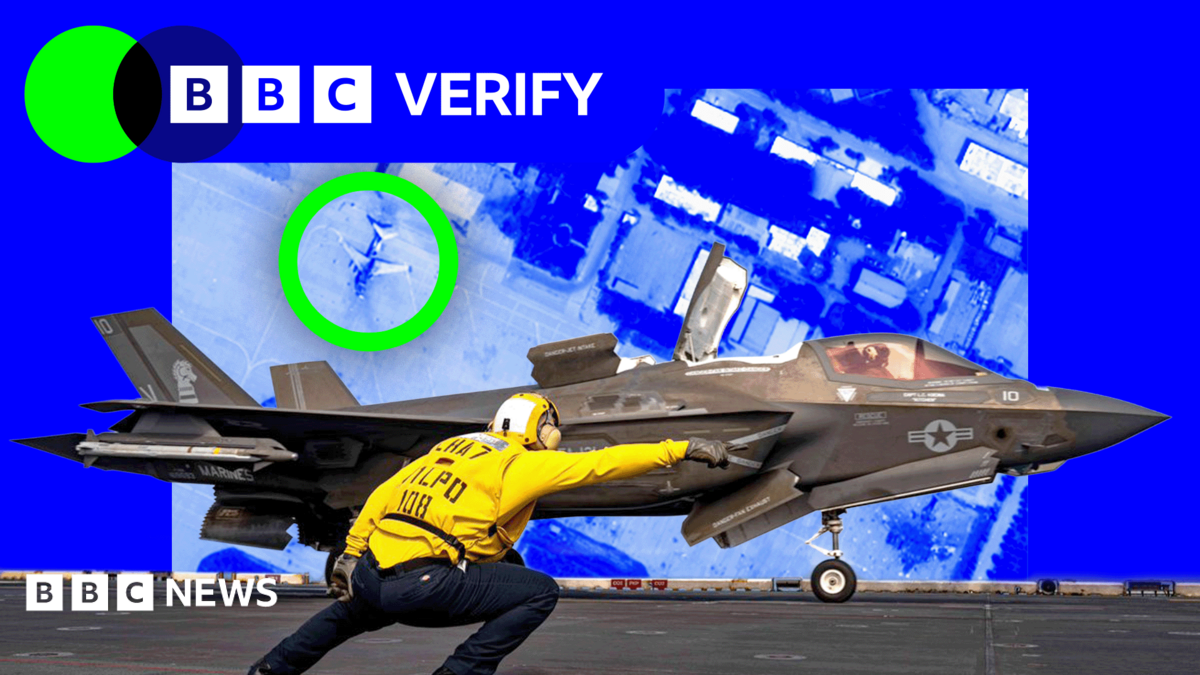
centerREPORTMore than 50 Iranian military bases damaged in US strikes since start of war , satellite images show
Full BriefGenerated 46d ago
What Happened
Satellite images reviewed by BBC Verify reveal damage to more than 50 Iranian military bases from US-Israeli strikes since the conflict began on 28 February, with US officials claiming over 13,000 targets hit. Damaged sites include the IRGC naval headquarters and general headquarters in Tehran, air bases at Mehrabad and Shiraz, and naval facilities at Bandar Abbas and Konarak. At Mehrabad International Airport, strikes on 7 March destroyed at least 17 aircraft; at Shiraz Airbase, US-Israeli attacks between 2-17 April hit at least 13 planes. The IRGC naval commander, Gen. Alireza Tangsiri, was killed in an Israeli operation in late March. While President Trump has claimed the US 'defeated them [Iran] militarily' and that its navy and air force are '100 per cent' gone, BBC Verify imagery indicates Tehran has used a fragile ceasefire to conduct repairs to tunnel entrances at key ballistic missile sites, though economic struggles may hamper full rebuilding. The Basij paramilitary command centre in Tehran was also damaged, and civilian casualties are reported by HRANA at over 1,700, a figure challenged by US military officer Adm Brad Cooper.
Key Actors
- ·US military(Conducting strikes on Iranian targets)Claims to have hit over 13,000 targets across Iran since the conflict started; denies high civilian casualty figures.
- ·Israeli military(Conducting strikes on Iranian and Hezbollah targets)Attributed to strikes on IRGC targets in Iran, including the operation that killed IRGC naval commander Gen. Tangsiri, and strikes in southern Beirut.
- ·IRGC(Iranian revolutionary guards force targeted by US-Israeli strikes)Suffered damage to naval headquarters, general headquarters, and Basij command centre; retains missile and drone capabilities for counterstrikes.
- ·Donald Trump(US President)Claimed the US has militarily defeated Iran, asserting its navy and air force are totally destroyed.
Why It Matters
The documented damage underscores the scale of the US-Israeli air and naval campaign against Iran's conventional military infrastructure, potentially degrading its ability to project power in the immediate term. However, Iran's retention of missile and drone capabilities, along with repairs to ballistic missile sites, suggests it can still threaten US forces and allies in the region, particularly in the Strait of Hormuz. The strikes on IRGC and Basij internal security bases may also affect the regime's domestic control, while Trump's claims of military victory set a political benchmark for the conflict's trajectory.
Watch For
Monitor whether the fragile ceasefire holds and if Iran completes repairs to key ballistic missile sites, potentially restoring strategic deterrence. Watch for any US policy shifts under Trump that might escalate or de-escalate, as well as Iran's economic ability to rebuild its military. Observe the Strait of Hormuz for disruptions by Iran's 'mosquito fleet' and whether the US maintains its claimed air superiority. Also track IAEA reporting and any nuclear backchannel talks, as the military damage could influence diplomatic leverage.
Generated 46d ago · Based on full articleAuto-Compiled
This page aggregates and summarizes reporting from bbc.co.uk. The Conflict Pulse does not author original reporting. Read the original source for full coverage.
CONFLICT OVERVIEW
Iran
Latest verified updates on Iran’s regional confrontation, U.S.–Israeli strikes, missile retaliation, proxy networks, sanctions, and Strait of Hormuz risks.
SOURCE PERSPECTIVES
How outlets across the bias spectrum are covering this conflict.
LATEST FROM IRAN