BBC Middle East
centerREPORTTrump retreat over Hormuz tolls suggests he is struggling to end Iran war
Full BriefGenerated 11d ago
What Happened
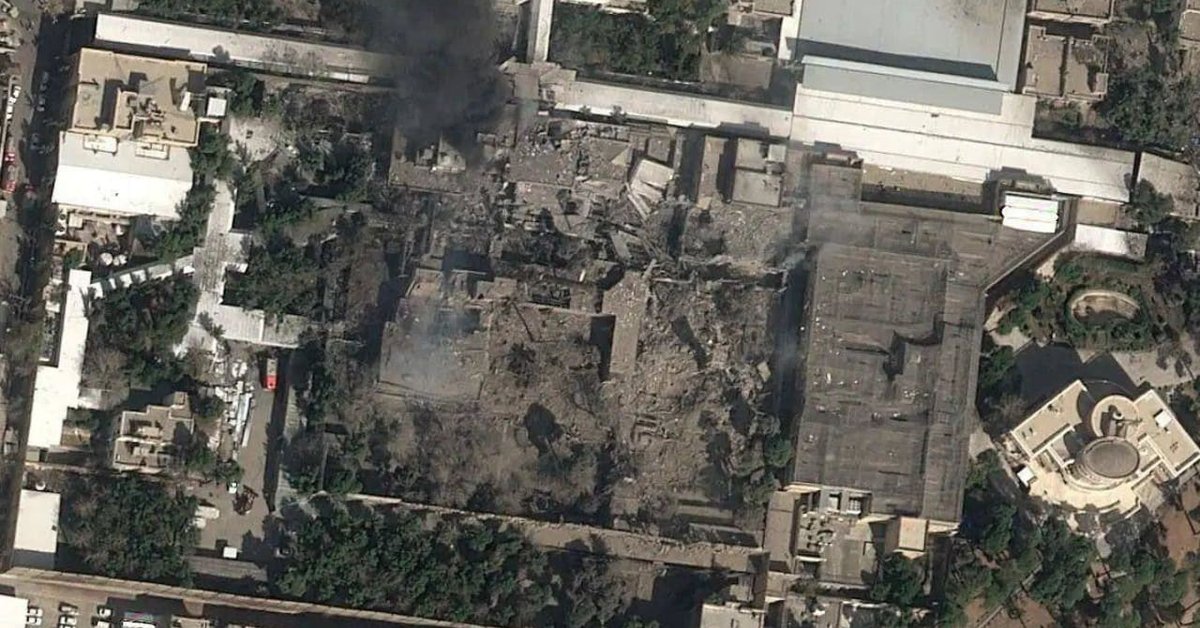
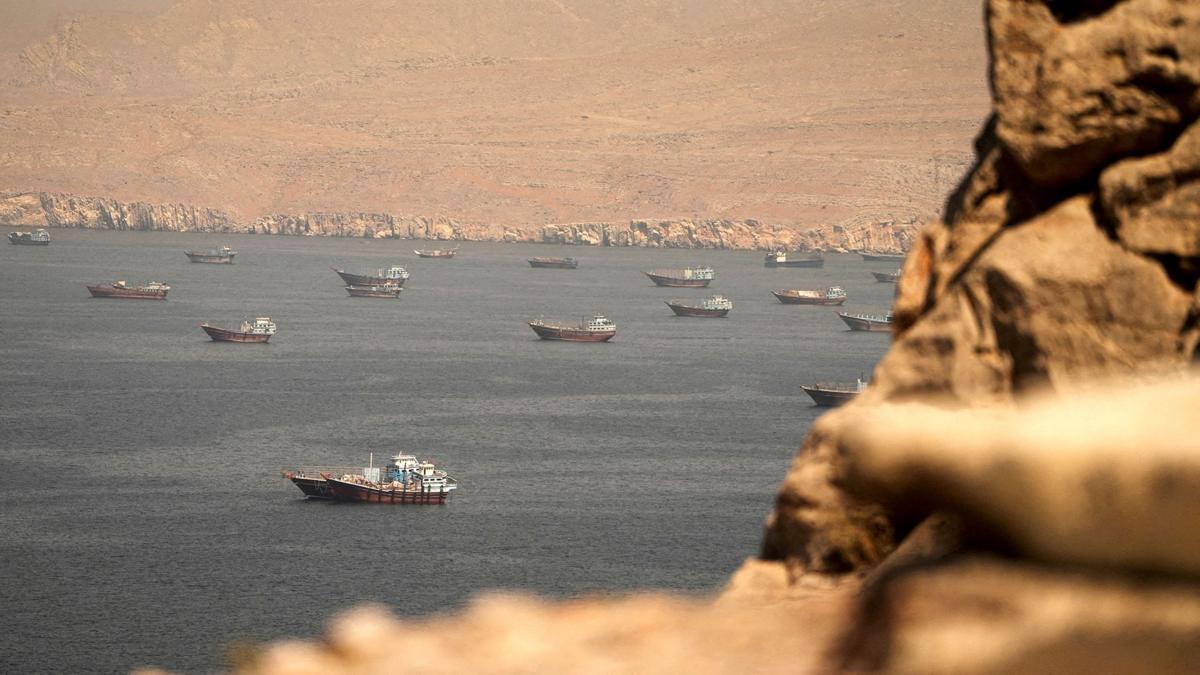
On Monday, US President Donald Trump announced a 20% fee on all vessels transiting the Strait of Hormuz to fund an American naval blockade on Iranian shipping, in a Truth Social post. Within 24 hours, he abandoned the proposal, instead offering trade and investment deals to Gulf allies in exchange for safe passage. The reversal came after a month-old US–Iran memorandum of understanding (MOU) collapsed on Tuesday when Trump announced a resumption of the blockade and new military strikes across Iran. Iran responded by intensifying attacks on US allies and commercial shipping, bringing Strait traffic to a near standstill. Analysts described the MOU as 'completely dead' and the conflict as a war of attrition with no clear resolution in sight.
Key Actors
- ·Donald Trump(US President)Proposed and then rescinded a 20% fee on Hormuz shipping; resumed a naval blockade and military strikes against Iran; seeks an exit strategy from the conflict.
- ·Iran(State adversary)Retaliated with attacks on US allies and commercial shipping, severely disrupting Strait of Hormuz traffic; militarily weakened but still able to deny passage.
- ·Marco Rubio(US Secretary of State)Previously condemned Iranian plans to charge Hormuz tolls as a violation of international law, contradicting Trump's now-rescinded fee proposal.
Why It Matters
The episode highlights the strategic deadlock in the US–Iran conflict over the Strait of Hormuz, a critical chokepoint for global oil transit. Trump's policy whipsaw signals a lack of a clear path forward and undermines US credibility, while the collapsed MOU suggests diplomatic off-ramps are failing. Escalation risks driving up oil prices and inflation, a politically sensitive issue for the administration.
Watch For
Further US military strikes or blockade enforcement actions; Iranian countermeasures in the Strait, including potential attacks on allied shipping; any renewed diplomatic efforts or ceasefire negotiations; Trump administration policy shifts amid domestic economic pressures, particularly consumer price data; and international legal challenges to tolls or blockades on international waterways.
Generated 11d ago · Based on full articleAuto-Compiled
This page aggregates and summarizes reporting from BBC Middle East. The Conflict Pulse does not author original reporting. Read the original source for full coverage.
CONFLICT OVERVIEW
Iran
Latest verified updates on Iran’s regional confrontation, U.S.–Israeli strikes, missile retaliation, proxy networks, sanctions, and Strait of Hormuz risks.
SOURCE PERSPECTIVES
How outlets across the bias spectrum are covering this conflict.
left
US expands Iran attacks as Trump warns Tehran and Houthis over Red Sea strikes
The Guardian Middle EastHow Chinese tech and Russian tactics are aiding Iran’s bombing of US bases
The Guardian AsiaLATEST FROM IRAN