Al Jazeera
centerREPORTTrump pivots from 20 percent Strait of Hormuz fee amid Iran war escalation

Full BriefGenerated 11d ago
What Happened
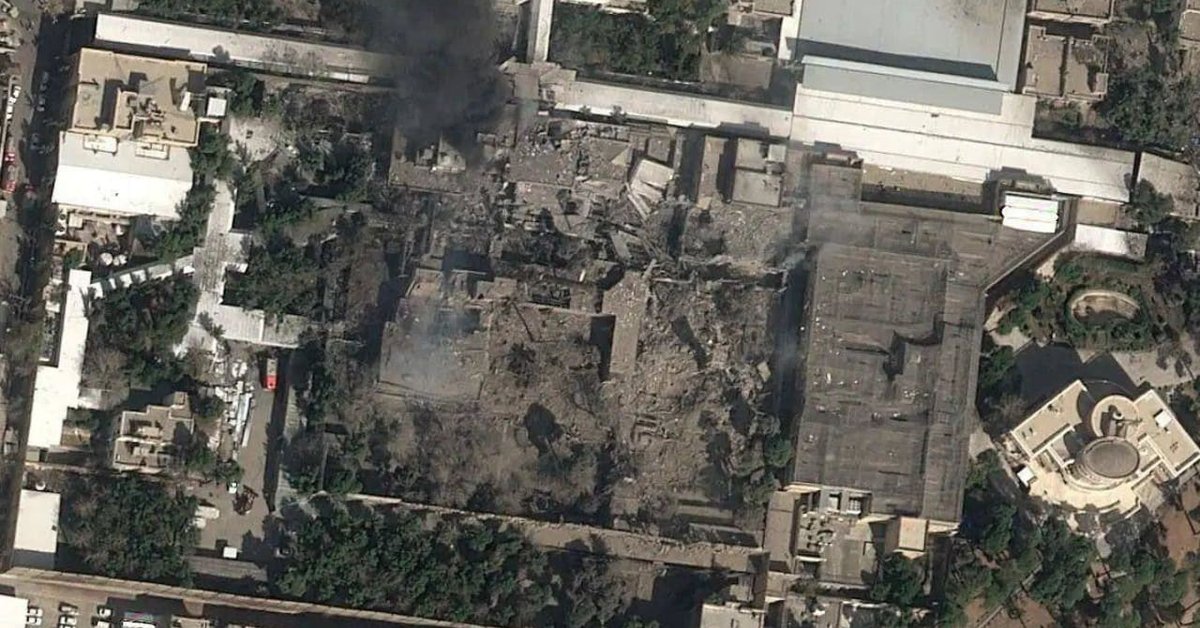
On Tuesday, US President Donald Trump reversed his announced plan to charge a 20% transit fee on vessels passing through the Strait of Hormuz, stating that instead Gulf states would make 'massive' trade and investment deals with the US in return for transit protection. This came a day after Trump had posted on Truth Social that the fee would reimburse US costs for security in the volatile area. The reversal occurred amid an escalation in US-Iran hostilities, with Iranian media reporting recent explosions in Bushehr, Bandar Abbas, Mahshahr, Abadan, and on Qeshm and Kish islands, while Kuwait said its forces engaged aerial targets. A US military blockade of Iran, lifted under a mid-June memorandum of understanding that had also ended fighting and opened the strait, was set to restart later that day.
Key Actors
- ·Donald Trump(President of the United States)Reversed a proposed 20% transit fee on the Strait of Hormuz, instead securing investment pledges from Gulf states.
- ·Marco Rubio(US Secretary of State)Had previously stated that charging fees in international waterways would undermine international law, aligning with the reversal.
- ·Iran(State actor engaged in hostilities with the US)Reported multiple explosions on its territory and vowed to continue attacks on US assets in the region.
Why It Matters
The reversal underscores the Trump administration's struggle to shape coercive economic measures while managing an active military confrontation with Iran. The Strait of Hormuz is a critical choke point for global oil transit, and any imposition of tolls could set a precedent for violating international maritime law. Leveraging Gulf investment ties indicates a shift toward alliance management and financial incentives, potentially affecting regional dynamics as Gulf states balance their US relations against proximity to Iran.
Watch For
Monitor the status of the US military blockade and whether the Strait of Hormuz remains open for commercial shipping. Look for announcements of specific investment deals between the US and Gulf countries. Also watch for further Iranian attacks on US assets or regional states, and whether the defunct MoU can be revived or replaced.
Generated 11d ago · Based on full articleAuto-Compiled
This page aggregates and summarizes reporting from Al Jazeera. The Conflict Pulse does not author original reporting. Read the original source for full coverage.
CONFLICT OVERVIEW
Iran
Latest verified updates on Iran’s regional confrontation, U.S.–Israeli strikes, missile retaliation, proxy networks, sanctions, and Strait of Hormuz risks.
SOURCE PERSPECTIVES
How outlets across the bias spectrum are covering this conflict.
left
US expands Iran attacks as Trump warns Tehran and Houthis over Red Sea strikes
The Guardian Middle EastHow Chinese tech and Russian tactics are aiding Iran’s bombing of US bases
The Guardian AsiaLATEST FROM IRAN