Jerusalem Post — Iran News
rightREPORTTrump claims Tehran leaked false details about terms of potential US-Iran deal
Full BriefGenerated 11d ago
What Happened
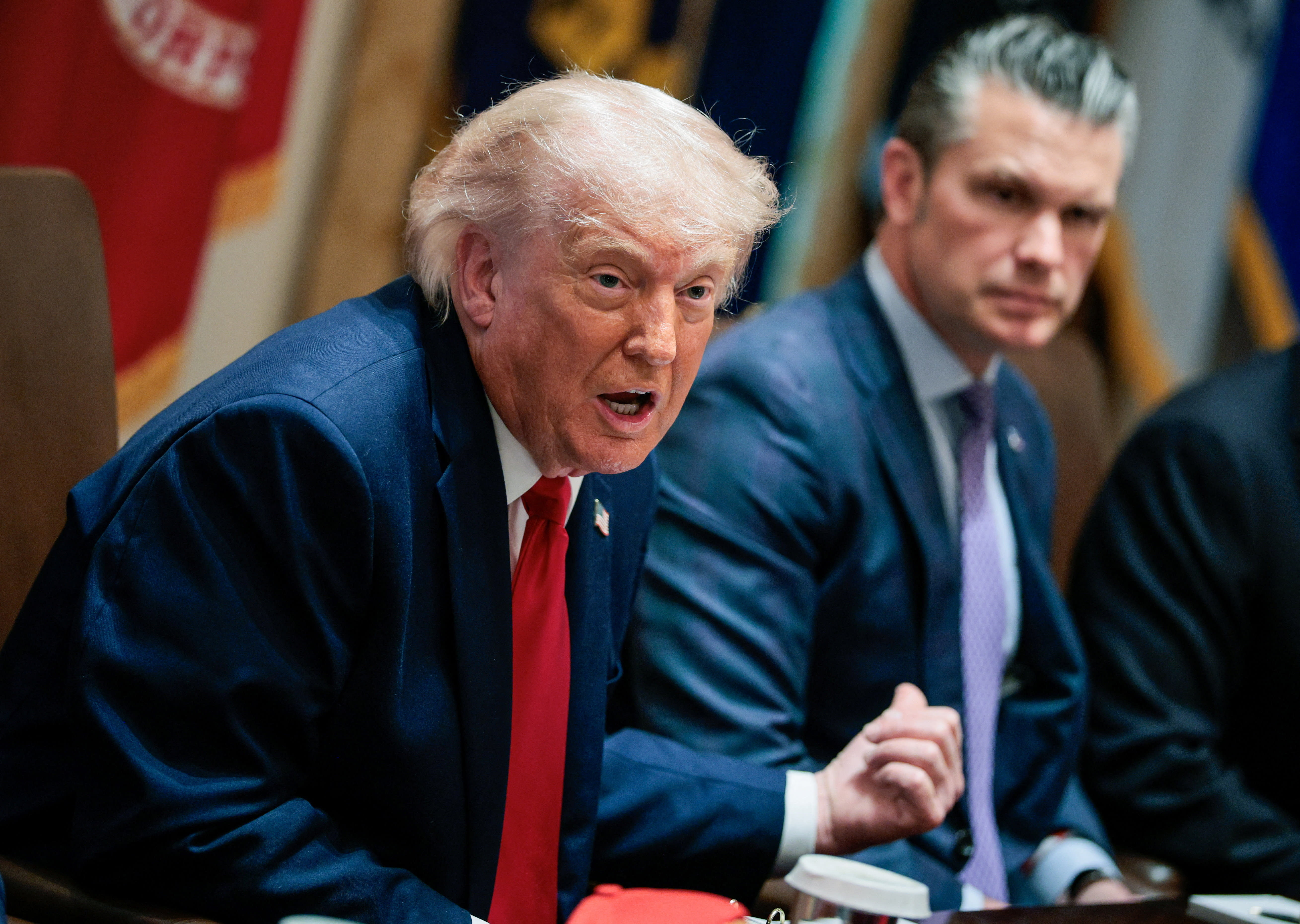
US President Donald Trump asserted on Truth Social that Iran leaked false details about the terms of a potential deal between Washington and Tehran, stating that 'there is no such thing as dealing in good faith' with Iranian leadership. He called a Thursday night drone attack by Iran on ships in the Strait of Hormuz 'totally unacceptable' and urged Iran to 'get their act together.' Trump also said he had canceled planned strikes and bombings on Iran after a memorandum of understanding was approved 'in concept and great detail' by the US, Israel, Saudi Arabia, the United Arab Emirates, Qatar, and other Middle Eastern countries. The signing could occur over the weekend in Europe, with Vice President JD Vance attending. Iranian state media outlet Mehr reported that a full ceasefire deal would include an end to fighting in Lebanon, the initial release of $12 billion of $24 billion in frozen funds, removal of US sanctions on Iranian oil and petrochemicals, a US commitment to non-intervention in Iranian affairs and withdrawal of forces from areas near Iran, lifting the blockade of the Strait of Hormuz within 30 days, and a 60-day negotiation period for a final nuclear agreement, while excluding Iran's ballistic missile programme and support for proxy groups. Bloomberg, citing senior officials, reported the US and Iran are edging closer to a strait reopening agreement as G7 leaders prepare to meet next week.
Key Actors
- ·Donald Trump(US President)Accused Iran of leaking false deal terms, condemned the Strait of Hormuz drone attack, announced cancellation of military strikes, and stated a memorandum of understanding has been agreed with regional partners.
- ·Mehr News Agency(Iranian state media outlet)Published extensive alleged details of the US–Iran deal, including financial terms, sanctions relief, withdrawal of forces, and nuclear negotiation timeline.
- ·Iran(State actor)Faces US accusations of bad-faith negotiations and a drone attack; its state media released claims that President Trump rejected as false.
Why It Matters
The contradictory narratives highlight the fragility of US–Iran diplomacy. If a deal materializes, it could reopen the Strait of Hormuz, ease regional tensions, unlock billions in frozen assets, and reshape the nuclear standoff—while side-lining Iran’s missile programme and proxy networks. The reported backing of Israel, Saudi Arabia, the UAE, and Qatar suggests a broader regional realignment, though Trump’s public distrust may signal domestic or allied friction ahead.
Watch For
A signing ceremony over the weekend in Europe with Vice President Vance; the G7 summit next week where Strait of Hormuz reopening will likely be addressed; formal approval of the draft by Iranian officials; UN Security Council endorsement; initiation of the 60-day nuclear negotiation window; release of the first $12 billion tranche; and concrete steps toward US force withdrawals from areas near Iran. Any divergence between Mehr’s reported terms and the final text will be a critical indicator of the deal’s durability.
Generated 11d ago · Based on full articleAuto-Compiled
This page aggregates and summarizes reporting from Jerusalem Post — Iran News. The Conflict Pulse does not author original reporting. Read the original source for full coverage.
CONFLICT OVERVIEW
Iran
Latest verified updates on Iran’s regional confrontation, U.S.–Israeli strikes, missile retaliation, proxy networks, sanctions, and Strait of Hormuz risks.
SOURCE PERSPECTIVES
How outlets across the bias spectrum are covering this conflict.
LATEST FROM IRAN