The Guardian Middle East
leftREPORTIran threatens to halt all Middle East energy exports amid renewed US blockade
Full BriefGenerated 11d ago
What Happened
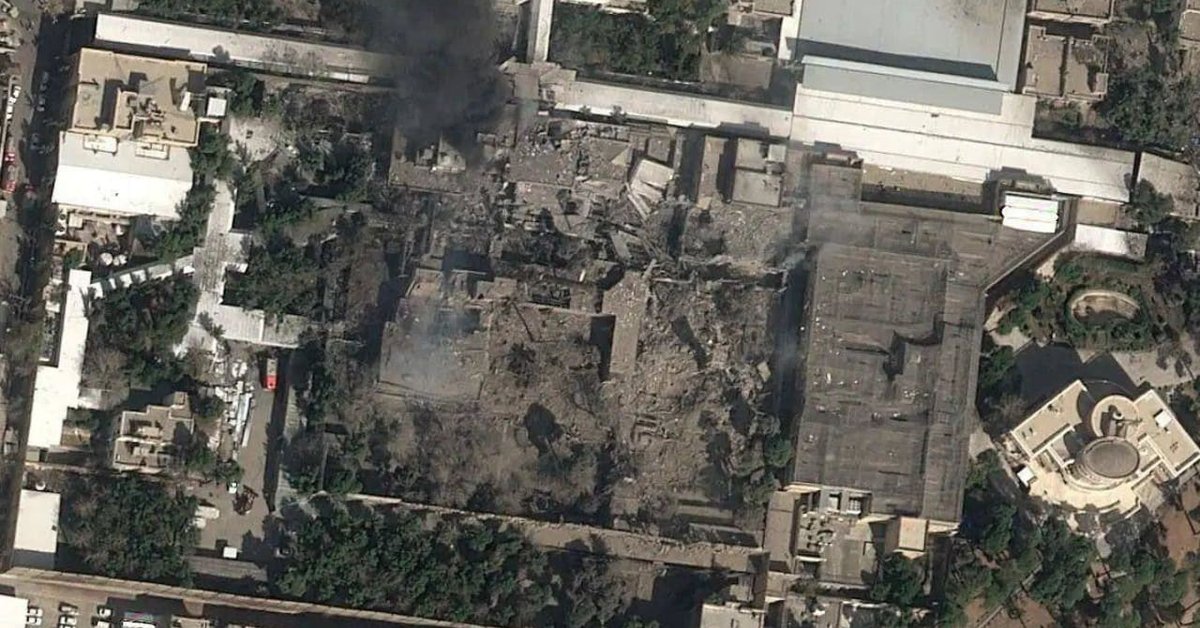
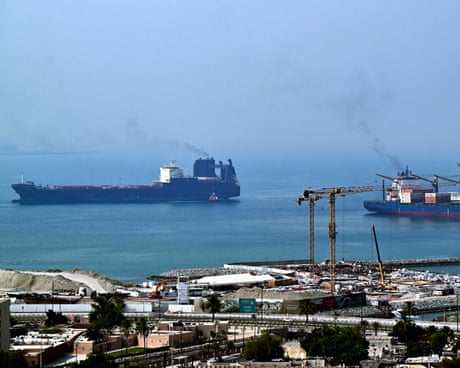
President Donald Trump threatened to expand US strikes on Iran to target power plants and bridges if Tehran does not agree to a deal over the Strait of Hormuz, in a Fox News interview on Tuesday. US forces have conducted strikes for four consecutive days, targeting Iranian capabilities used to attack commercial shipping, according to US Central Command (Centcom), and have reimposed a naval blockade on Iranian ports. Iranian state media reported explosions near Bandar Abbas and Qeshm Island, and the state news agency IRNA said Iranian forces launched a drone attack on a military base in Jordan that hosts American warplanes. Trump abruptly reversed a planned 20% security fee for ships in the strait, citing investment and trade deals with Gulf Arab states, but said the blockade would continue. Iran’s deputy foreign minister, Kazem Gharibabadi, stated the renewed blockade 'has, in a way, dismantled the Islamabad memorandum,' referring to the fragile 17 June ceasefire that has effectively collapsed.
Key Actors
- ·Donald Trump(US President)Threatens to strike Iranian power plants and bridges unless Iran negotiates; reimposes naval blockade on Iranian ports after scrapping a planned transit fee.
- ·US Central Command (Centcom)(US military command responsible for the Middle East)Carries out strikes aimed at degrading Iranian capabilities used to attack commercial shipping in the Strait of Hormuz.
- ·Iranian forces(Iranian military (likely IRGC))Launched a drone attack on a US military base in Jordan, according to Iranian state media, in retaliation for US strikes.
- ·Kazem Gharibabadi(Iran’s deputy foreign minister)Said the US blockade has effectively dismantled the Islamabad memorandum, dimming prospects for negotiations.
Why It Matters
The escalation threatens to reignite all-out war between the US and Iran, with control of the Strait of Hormuz—a vital chokepoint for global oil and gas shipments—at the center. Trump's threat to target civilian infrastructure such as power plants and bridges would violate international humanitarian law and likely constitute war crimes, raising serious legal and humanitarian concerns. The collapse of the fragile 17 June ceasefire and the US blockade further reduce chances for diplomatic resolution, while Iran's retaliatory drone strike on a US base in Jordan risks widening the conflict to US allies.
Watch For
Monitor whether the US expands strikes to power plants and bridges as threatened, and any Iranian retaliation, including potential attacks on US bases or allied interests. Watch for diplomatic signals: whether the 'Islamabad memorandum' can be revived or replaced, and how Gulf states' investment deals with the US might reshape the blockade. Pay attention to international reactions, especially from the UN and human rights organizations, regarding threats to civilian infrastructure, and any moves by Iran to escalate via its regional proxies.
Generated 11d ago · Based on full articleAuto-Compiled
This page aggregates and summarizes reporting from The Guardian Middle East. The Conflict Pulse does not author original reporting. Read the original source for full coverage.
CONFLICT OVERVIEW
Iran
Latest verified updates on Iran’s regional confrontation, U.S.–Israeli strikes, missile retaliation, proxy networks, sanctions, and Strait of Hormuz risks.
SOURCE PERSPECTIVES
How outlets across the bias spectrum are covering this conflict.
left
US expands Iran attacks as Trump warns Tehran and Houthis over Red Sea strikes
The Guardian Middle EastHow Chinese tech and Russian tactics are aiding Iran’s bombing of US bases
The Guardian AsiaLATEST FROM IRAN