aljazeera.com
centerREPORTThe US - Iran MoU looks at managing the pain rather than ending the war

Full BriefGenerated 28d ago
What Happened
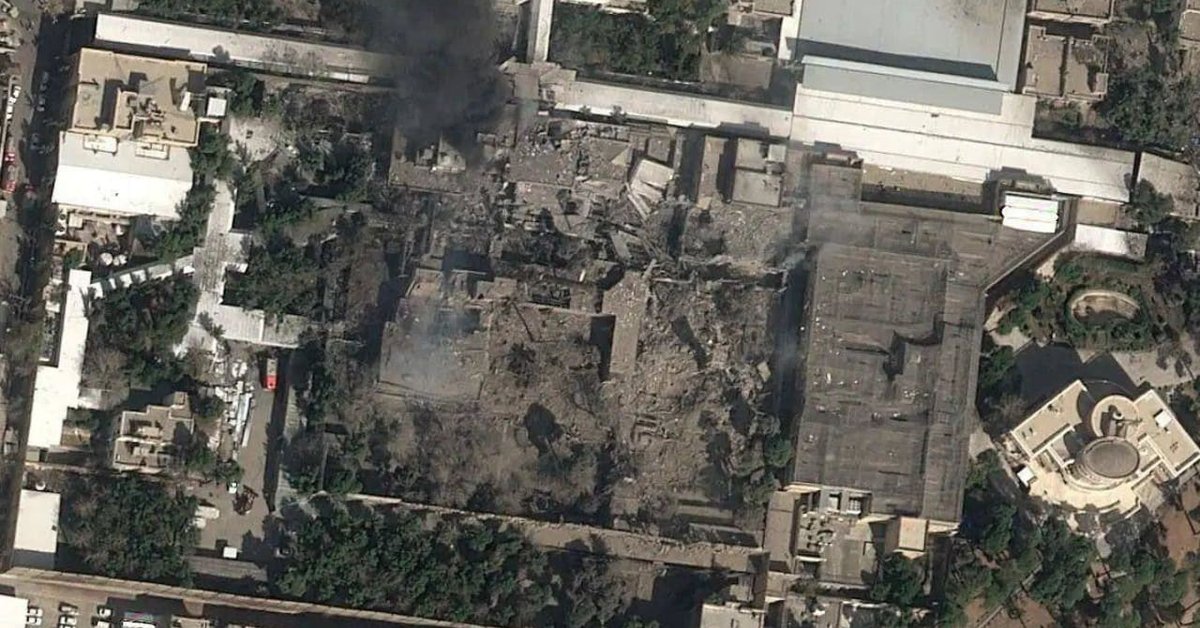
On June 17, US President Donald Trump and Iranian Parliament Speaker Mohammad Bagher Ghalibaf signed a 14-point memorandum of understanding (MoU) mediated by Pakistan and Qatar, halting a 109-day war that began on February 28. The agreement lifts the US naval blockade on Iran in exchange for Tehran reopening the Strait of Hormuz, following a period of economic warfare that caused global energy price spikes. Despite an overall drop in tit-for-tat attacks, clashes continued on Friday and Saturday, with reported US strikes on southern Iranian ports and Iranian targeting of Kuwait and Bahrain. The war saw approximately 7,200 missiles fired, 80 percent targeting civilian infrastructure in Arab Gulf cities, according to Khalid al-Jaber. Analysts describe the MoU as an 'agreement of the compelled,' born of mutual pain rather than trust, as both sides enter a 60-day window to negotiate a permanent settlement.
Key Actors
- ·United States(Warring party; Trump administration)Signed the MoU, lifted naval blockade, and entered 60-day negotiations, but continued limited strikes on Iran.
- ·Iran(Warring party; Ghalibaf and hardline security establishment)Signed the MoU, reopened the Strait of Hormuz, but engaged in skirmishes targeting Kuwait and Bahrain.
- ·Pakistan and Qatar(Mediators)Heavily mediated the 14-point MoU between the US and Iran.
Why It Matters
The US-Iran MoU represents a rare, high-stakes, state-to-state ceasefire with clear command structures, contrasting with fractured non-state agreements in Gaza and Lebanon. However, it remains fragile—analysts warn it is an 'agreement of the compelled' sustained by mutual economic deterrence and catastrophic costs of renewed Strait of Hormuz disruption. Its success or failure will set a precedent for hardline-to-hardline diplomacy and could determine global energy stability, with the potential for escalation if the 60-day negotiation window collapses.
Watch For
The 60-day negotiation window for a permanent settlement; continued low-level clashes in the Strait of Hormuz and against ports; domestic political pressures in Washington and Tehran that could undermine the MoU; and any breakdown that might lead to renewed blockade and missile exchanges.
Generated 28d ago · Based on full articleAuto-Compiled
This page aggregates and summarizes reporting from aljazeera.com. The Conflict Pulse does not author original reporting. Read the original source for full coverage.
CONFLICT OVERVIEW
Iran
Latest verified updates on Iran’s regional confrontation, U.S.–Israeli strikes, missile retaliation, proxy networks, sanctions, and Strait of Hormuz risks.
SOURCE PERSPECTIVES
How outlets across the bias spectrum are covering this conflict.
left
US expands Iran attacks as Trump warns Tehran and Houthis over Red Sea strikes
The Guardian Middle EastHow Chinese tech and Russian tactics are aiding Iran’s bombing of US bases
The Guardian AsiaLATEST FROM IRAN