Iran International
rightREPORTStolen Revolution: new book traces Iran’s path from revolution to mafia state
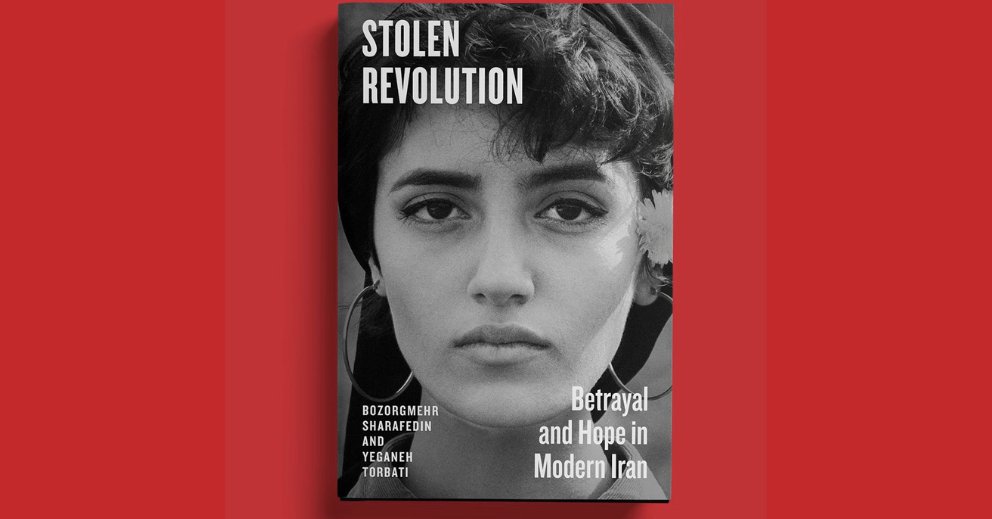
As Iran grapples with its most severe crisis since 1979, a new book by journalists Yeganeh Torbati and Bozorgmehr Sharafedin is revisiting how a revolution built on promises of justice and equality turned into what the authors describe as a mafia state.
Full BriefGenerated 19d ago
What Happened
Journalists Yeganeh Torbati and Bozorgmehr Sharafedin have published a book examining Iran's transformation from the 1979 revolution—which promised justice and equality—into what they characterize as a mafia state. The book's release coincides with what the authors describe as Iran's most severe crisis since the revolution, though the article does not specify the nature or timing of this crisis. The work traces the institutional and political evolution that led to the current structure of the Islamic Republic, focusing on how revolutionary ideals were subverted over four decades.
Key Actors
- ·Yeganeh Torbati(Co-author and journalist)Co-authored a book analyzing Iran's post-revolutionary trajectory from promised reform to authoritarian consolidation.
- ·Bozorgmehr Sharafedin(Co-author and journalist)Co-authored a book analyzing Iran's post-revolutionary trajectory from promised reform to authoritarian consolidation.
- ·Islamic Republic of Iran(State apparatus established after the 1979 revolution)The subject of the book's analysis, described as having evolved from revolutionary government into a mafia-like structure over 45 years.
Why It Matters
The book arrives as Iran faces compounding internal and external pressures—including economic sanctions, domestic unrest, and regional proxy conflicts—that have intensified debates over the regime's legitimacy and durability. By documenting the mechanisms through which revolutionary institutions became tools of elite enrichment and repression, the work provides historical context for understanding current fractures within the Iranian state and society. The framing of Iran as a mafia state rather than a traditional authoritarian regime suggests a focus on patronage networks, corruption, and the blurring of state and criminal enterprise, which has implications for how external actors assess leverage points and the prospects for internal reform or collapse.
Watch For
Monitor for reactions from Iranian state media or officials to the book's characterization of the regime, which could signal sensitivity to narratives of institutional decay. Track whether the book's publication coincides with or influences international policy debates on Iran sanctions, nuclear negotiations, or human rights accountability mechanisms. Observe if the work gains traction among Iranian diaspora communities or domestic opposition figures as a framework for critiquing the regime, particularly ahead of any scheduled elections or anniversaries of the 1979 revolution.
Generated 19d ago · Based on full articleAuto-Compiled
This page aggregates and summarizes reporting from Iran International. The Conflict Pulse does not author original reporting. Read the original source for full coverage.
CONFLICT OVERVIEW
Iran
Latest verified updates on Iran’s regional confrontation, U.S.–Israeli strikes, missile retaliation, proxy networks, sanctions, and Strait of Hormuz risks.
SOURCE PERSPECTIVES
How outlets across the bias spectrum are covering this conflict.
LATEST FROM IRAN