Jerusalem Post — Iran News
rightDEVELOPINGRift between Iranian President and IRGC grows, threatens to harm US-Iran talks - report

Full BriefGenerated 3h ago
What Happened
The Wall Street Journal reported on Tuesday, citing officials familiar with US-Iran negotiations, that a growing internal rift between Iranian President Masoud Pezeshkian and the Islamic Revolutionary Guard Corps (IRGC) is threatening peace talks. Pezeshkian is prioritizing economic revitalization, seeking access to $6 billion in frozen Iranian funds held in Qatar, while the IRGC is demanding full control over the Strait of Hormuz, including the installation of a toll system on shipping that Iranian officials estimate could generate up to $40 billion annually. The IRGC has threatened to close the strait if its demands are not met and insists that all vessels transit via Iranian-designated routes. Iran’s Assembly of Experts, an advisory body reflecting the supreme leader’s view, has backed the IRGC, stating the strait should remain closed unless Israel halts attacks on Lebanon. Pezeshkian has responded by courting senior clerics in Qom, meeting with Ayatollah Shubairi Zanjani to discuss the benefits of securing the frozen funds, and claimed that Supreme Leader Mojtaba Khamenei supports the peace agreement.
Key Actors
- ·President Masoud Pezeshkian(Iranian President)Seeks to revitalize Iran’s economy by securing release of $6 billion in frozen funds via US-Iran talks, and is courting senior clerics to build support.
- ·Islamic Revolutionary Guard Corps (IRGC)(Iranian military branch distinct from the Artesh, with significant political and economic influence)Demands full control over the Strait of Hormuz, including a toll system, and has threatened to close the strait if not guaranteed control in the Doha negotiations.
- ·Iran’s Assembly of Experts(Advisory body that elects and supervises the supreme leader)Has sided with the IRGC, stating the Strait of Hormuz should remain closed unless Israel stops attacking Lebanon.
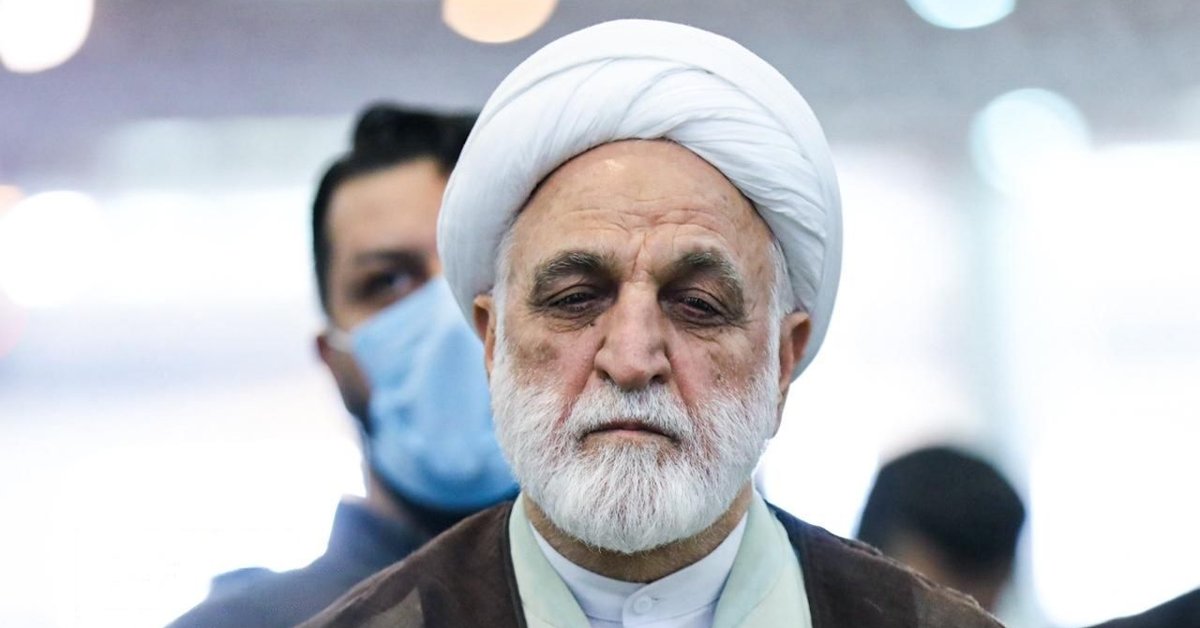
- ·Ayatollah Shubairi Zanjani(One of Iran’s most senior clerics based in Qom)Met with Pezeshkian to discuss the advantages of unfreezing Iranian funds, representing a key clerical figure Pezeshkian is courting.
Why It Matters
The rift pits Iran’s civilian government, focused on economic relief through sanctions relief, against the IRGC, which seeks to entrench its strategic and financial control over the Strait of Hormuz—a critical global oil transit chokepoint. IRGC threats to close the strait and impose tolls would escalate regional tensions, directly impact maritime security, and complicate US-Iran diplomatic efforts. The clerical and institutional backing for the IRGC’s hardline position signals that internal power struggles may derail any near-term agreement, with implications for regional stability and international economic repercussions.
Watch For
Monitor upcoming rounds of US-Iran talks in Doha for any movement on frozen funds or strait control demands. Watch for statements from Iran’s Assembly of Experts and Supreme Leader’s office clarifying the leadership position, and any IRGC naval deployments or signalling in the Strait of Hormuz. The response of senior clerics, particularly in Qom, to Pezeshkian’s outreach will indicate whether the president can build a counterweight to IRGC influence.
Generated 3h ago · Based on full articleAuto-Compiled
This page aggregates and summarizes reporting from Jerusalem Post — Iran News. The Conflict Pulse does not author original reporting. Read the original source for full coverage.
CONFLICT OVERVIEW
Iran
Latest verified updates on Iran’s regional confrontation, U.S.–Israeli strikes, missile retaliation, proxy networks, sanctions, and Strait of Hormuz risks.
SOURCE PERSPECTIVES
How outlets across the bias spectrum are covering this conflict.
LATEST FROM IRAN