DW News
centerREPORTRenewed US-Iran war would hit Gulf countries hard
Full BriefGenerated 18d ago
What Happened
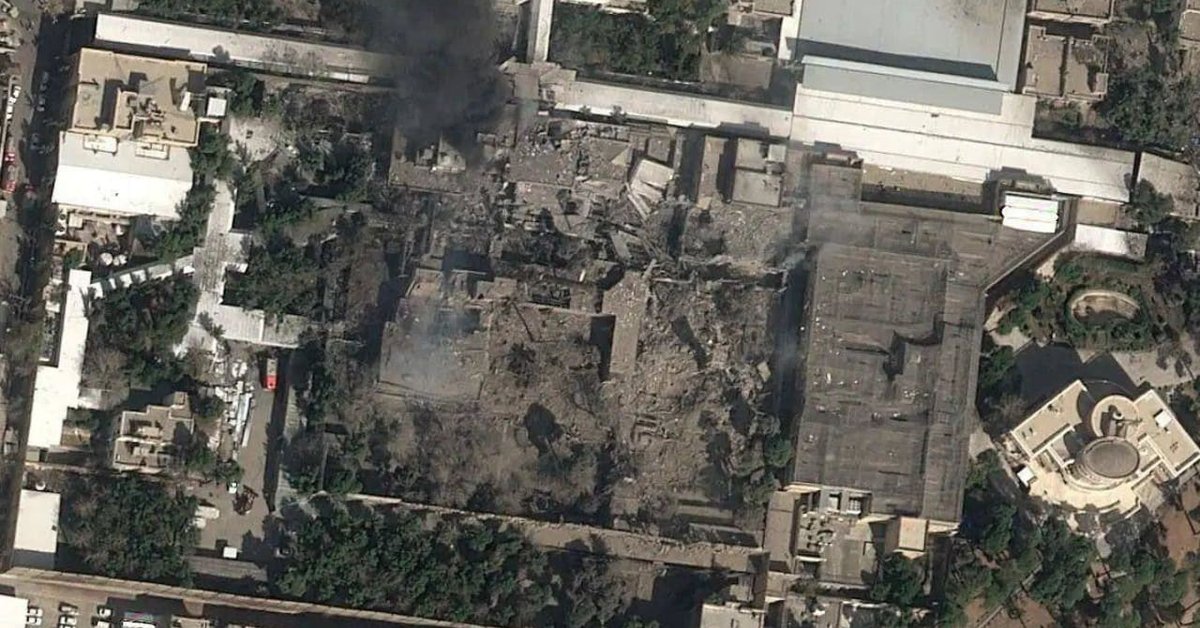
On July 8, 2026, President Donald Trump declared at the NATO summit in Ankara that the US-Iran interim accord — a memorandum of understanding signed in mid-June — was 'over.' Iran's top negotiator, Mohammad Bagher Ghalibaf, claimed major violations of the accord. Overnight, the United States bombed sites inside Iran, and Iran retaliated by targeting 85 US military sites in Bahrain and Kuwait, directly striking those countries. The renewed exchange follows the earlier downing of a Qatari ship by Iran, which had prompted the initial round of hostilities.
Key Actors
- ·United States(Country)President Trump declared the June interim accord over, and the US bombed sites in Iran.
- ·Iran(Country)Top negotiator Mohammad Bagher Ghalibaf claimed major violations of the accord, and Iran struck 85 US military sites in Bahrain and Kuwait.
- ·Bahrain(Gulf country hosting a major US Navy base)Struck directly by Iranian attacks; its government arrested hundreds for alleged anti-war or pro-Iran activities, citing espionage.
- ·Kuwait(Gulf country hosting the largest number of US bases in the Middle East (two air bases, ~13,500 personnel))Targeted by Iranian strikes, prompting its government to issue more forthright protests than its traditionally cautious diplomatic stance.
Why It Matters
The renewed US-Iran exchange directly struck two Gulf Coordination Council states, risking a regional war that endangers US military infrastructure, disrupts oil exports through the Strait of Hormuz, and inflames internal sectarian tensions — especially in Bahrain. Saudi Arabia and the UAE have scrambled to protect critical oil infrastructure and divert exports, while Qatar and Oman’s mediator roles face severe tests. The conflict threatens to undermine the Gulf’s economic diversification and stability.
Watch For
Potential expansion of Iranian strikes to Saudi Arabia or the UAE, which host US airbases; Iran’s possible re-blocking of the Strait of Hormuz and its impact on oil markets; diplomatic channels mediated by Oman and Qatar to revive the moribund ceasefire; and further internal crackdowns in Bahrain, where a Shiite-majority population complicates the Sunni monarchy’s stance.
Generated 18d ago · Based on full articleAuto-Compiled
This page aggregates and summarizes reporting from DW News. The Conflict Pulse does not author original reporting. Read the original source for full coverage.
CONFLICT OVERVIEW
Iran
Latest verified updates on Iran’s regional confrontation, U.S.–Israeli strikes, missile retaliation, proxy networks, sanctions, and Strait of Hormuz risks.
SOURCE PERSPECTIVES
How outlets across the bias spectrum are covering this conflict.
left
US expands Iran attacks as Trump warns Tehran and Houthis over Red Sea strikes
The Guardian Middle EastHow Chinese tech and Russian tactics are aiding Iran’s bombing of US bases
The Guardian AsiaLATEST FROM IRAN