Jerusalem Post — Iran News
rightREPORTQatar in talks with US, Iran to de-escalate crisis as the two nations trade blows - report

Full BriefGenerated 15d ago
What Happened
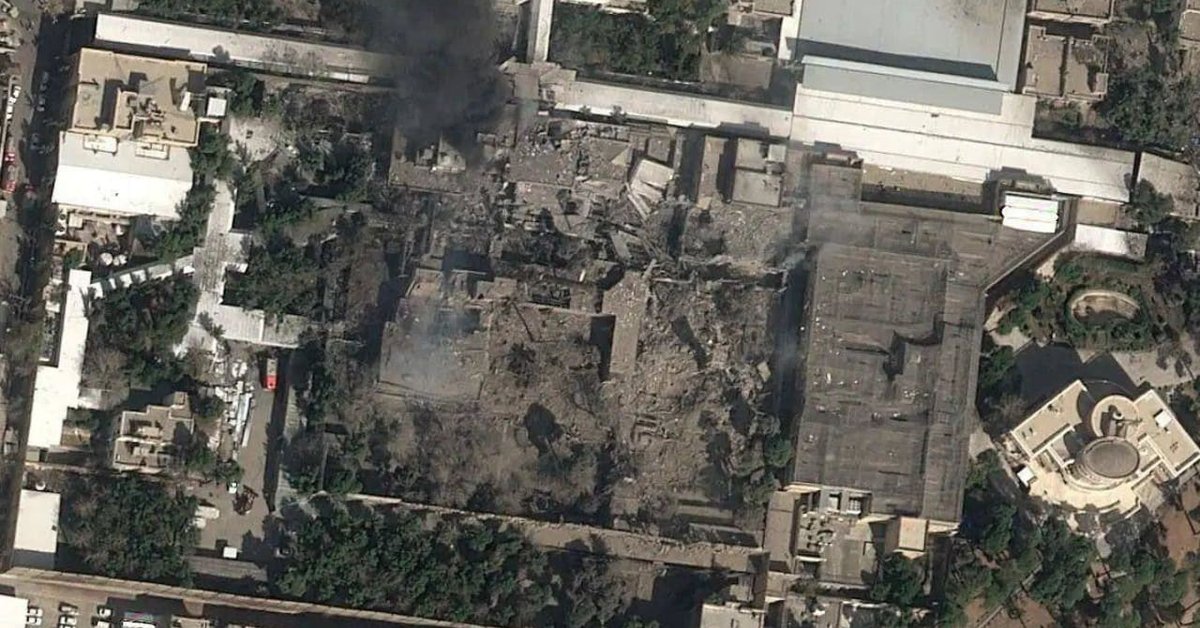
Qatar has engaged in talks with the United States and Iran to de-escalate the ongoing crisis, following a new round of military strikes that shattered a fragile three-week-old ceasefire. According to a New York Times report citing anonymous officials, Iranian armed forces launched attacks on US military infrastructure in Gulf states on Thursday, after US strikes on Iran's southern coastal and eastern provinces. Iranian media reported multiple explosions in southern Iran, including in Bushehr—home to one of Iran's nuclear plants—as well as Konarak, Choghadak, and Bandar Abbas. US Central Command (CENTCOM) stated it had struck approximately 90 Iranian military targets, including air defense systems, coastal surveillance assets, and missile and drone storage sites, aiming to keep the Strait of Hormuz open after accusing Iranian forces of attacking three tankers. President Donald Trump declared the truce 'over' and warned 'If it happens again, it will get much worse.' A Qatari delegation visited Iran on Friday, with Tasnim news agency reporting it followed Qatari accusations against Iran over an alleged Strait of Hormuz incident and subsequent US attacks. A source told Reuters the Qatari talks were coordinated with the US, and Axios cited a diplomat saying 'it’s clear both sides want to come back to the MOU.'
Key Actors
- ·Qatar(Mediator)Sent a delegation to Iran to de-escalate tensions, conducting talks in coordination with the United States and aiming to restore conditions for broader negotiations.
- ·United States(Military actor)CENTCOM struck about 90 Iranian military targets; President Trump threatened further escalation if Iranian attacks on shipping continue.
- ·Iran(Military actor and party to conflict)Reportedly launched attacks on US military infrastructure in Gulf states; accused by the US of attacking tankers; its southern provinces were hit by US strikes; engaged in Qatari-mediated de-escalation talks.
Why It Matters
The exchanges threaten to spiral into a broader Gulf conflict, endangering critical energy transit through the Strait of Hormuz and potentially destabilizing regional security. Qatar’s mediation underscores its unique role as a backchannel between the US and Iran, while the targeting of Bushehr—near a nuclear facility—raises international proliferation and safety concerns. The collapse of the ceasefire and Trump’s ultimatum signal a high-risk phase that could draw in regional proxies and global powers.
Watch For
Monitor whether Qatari-led talks yield a return to the mooted Memorandum of Understanding (MOU) or a new ceasefire. Watch for any further US or Iranian military strikes, particularly around the Strait of Hormuz, and official statements from CENTCOM and Iran’s Foreign Ministry. Assess potential IAEA reactions to explosions near Bushehr. Diplomatic signals from the E3, Russia, and China regarding de-escalation efforts are also key.
Generated 15d ago · Based on full articleAuto-Compiled
This page aggregates and summarizes reporting from Jerusalem Post — Iran News. The Conflict Pulse does not author original reporting. Read the original source for full coverage.
CONFLICT OVERVIEW
Iran
Latest verified updates on Iran’s regional confrontation, U.S.–Israeli strikes, missile retaliation, proxy networks, sanctions, and Strait of Hormuz risks.
SOURCE PERSPECTIVES
How outlets across the bias spectrum are covering this conflict.
left
US expands Iran attacks as Trump warns Tehran and Houthis over Red Sea strikes
The Guardian Middle EastHow Chinese tech and Russian tactics are aiding Iran’s bombing of US bases
The Guardian AsiaLATEST FROM IRAN