
BBC Europe
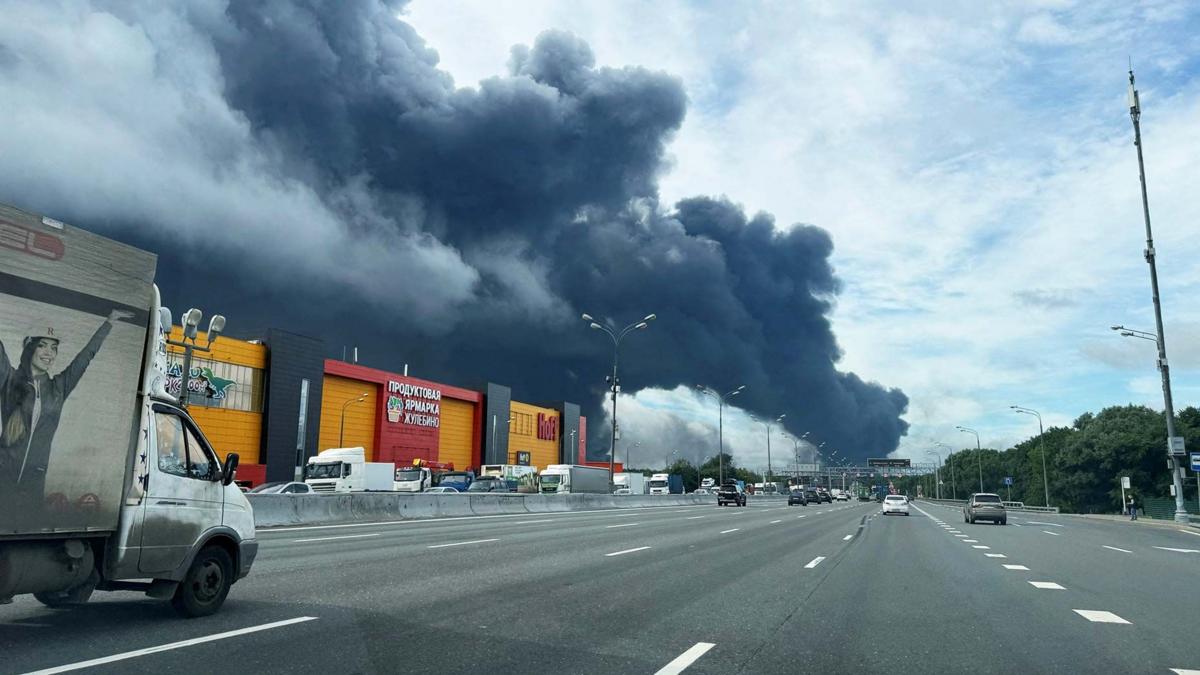
centerREPORTMoscow residents complain of black rain after largest Ukrainian attack hits oil refinery
Full BriefGenerated 68d ago
What Happened
Around 11 March 2025, Ukrainian forces launched the largest drone attack on Moscow since Russia's full-scale invasion began, sending nearly 200 drones toward the Russian capital and other regions. The Russian Ministry of Defence claimed its air defences intercepted almost 1,000 drones and four Ukrainian cruise missiles nationwide overnight. In the Moscow region, Governor Andrei Vorobyov reported 17 people wounded; fires broke out at the Kapotnya oil refinery in south-east Moscow—hit for the third time in a month—and at a nearby shopping centre after drone debris fell. Moscow's four airports were temporarily shut, cancelling or delaying over 500 flights. An oil depot in the southern Rostov region was also struck, killing one person. Ukrainian President Volodymyr Zelensky confirmed the strikes, calling them 'long-range sanctions' and warning that 'if Ukraine burns, your Moscow will burn too,' framing the attack as a response to Russia's prior strike on Kyiv. Ukrainian Foreign Minister Andriy Sybiha taunted Muscovites on social media, blaming Russia for starting the war and urging Putin to end it. Russian President Vladimir Putin, hosting a summit in Kazan, did not immediately comment.
Key Actors
- ·Volodymyr Zelensky(President of Ukraine)Stated Ukraine hit Moscow region with long-range strikes in retaliation for Russia's attack on Kyiv, warning that Moscow would 'burn' if Ukraine does.
- ·Russian Ministry of Defence(Defence ministry of Russia)Claimed intercepting almost 1,000 drones and four Ukrainian cruise missiles across the country overnight.
- ·Andrei Vorobyov(Governor of Moscow Region)Reported 17 people wounded in the Moscow region as a result of the drone attacks.
Why It Matters
The attack is the largest on Moscow since the invasion began, marking a significant escalation in Ukraine's long-range strike campaign and demonstrating the vulnerability of the Russian capital—over 500 km from the Ukrainian border—to mass drone swarms. It signals Kyiv's ability to bring the war home to ordinary Russians, potentially impacting domestic support for the conflict, and coincides with Putin hosting a diplomatic summit, underscoring the Kremlin's inability to guarantee security even in its core territory.
Watch For
Potential Russian retaliation strikes on Ukrainian cities, further Ukrainian long-range attacks (especially if Moscow's air defences are adjusted), and any shift in Putin's or the Kremlin's public rhetoric—Putin's silence after this unprecedented attack could precede a formal response. Monitor diplomatic channels, particularly with Southeast Asian leaders in Kazan, for reactions, and watch for any new restrictions on public drone footage or airspace closures indicating escalating tensions.
Generated 68d ago · Based on full articleAuto-Compiled
This page aggregates and summarizes reporting from BBC Europe. The Conflict Pulse does not author original reporting. Read the original source for full coverage.
CONFLICT OVERVIEW
Ukraine–Russia
Latest verified updates on Russia’s war in Ukraine, frontline shifts, drone warfare, Western support, occupied territories, and ceasefire diplomacy.
Active since February 2014
SOURCE PERSPECTIVES
How outlets across the bias spectrum are covering this conflict.
LATEST FROM UKRAINE–RUSSIA
REPORTThe Guardian Europe12d ago
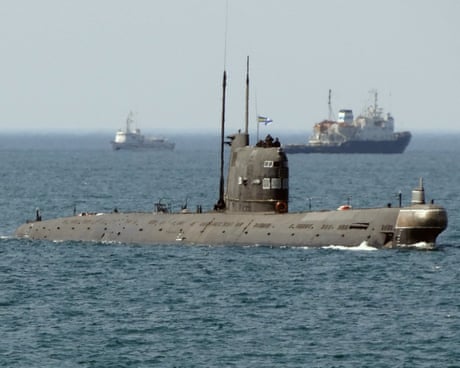
Ukraine war briefing: Crimea bomb kills ‘Ukrainian sub commander who defected’
REPORTThe Guardian Europe12d ago
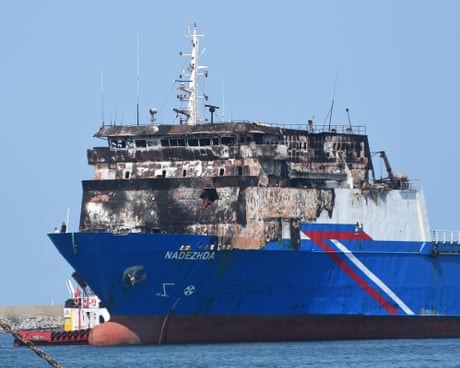
Ukraine ‘offering Russia deal to halt attacks on civilian ships in Black Sea’
REPORTThe Guardian Asia12d ago
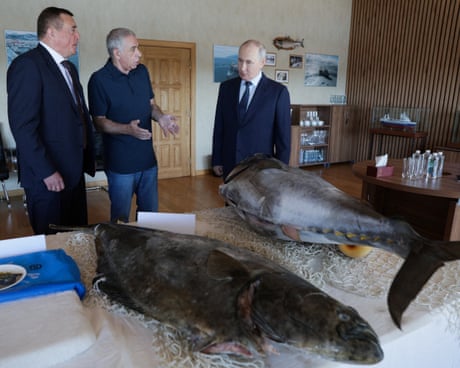
‘Absolutely unacceptable’: Japan condemns visit by Vladimir Putin to disputed Kuril Islands
REPORTDW News12d ago
What would a North Korean surge mean for Ukraine war?
REPORTDW News12d ago
What would a North Korean troop surge mean for Ukraine war?

REPORTBBC Europe12d ago