
The Guardian Europe
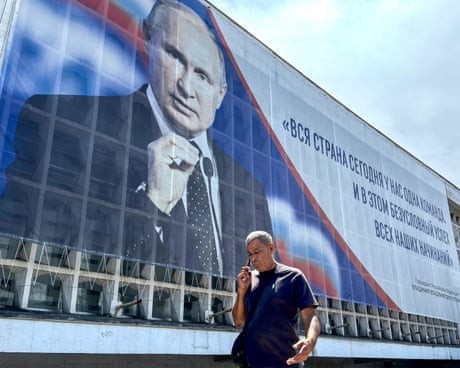
leftREPORTPutin’s recruiters scramble to avoid second mass mobilisation as Ukraine losses mount
Full BriefGenerated 54d ago
What Happened
The Russian government is facing significant challenges in maintaining troop levels for its invasion of Ukraine, as voluntary recruitment slows and battlefield losses remain high. Western estimates suggest Russian casualties exceed 30,000 killed and wounded per month, forcing the Kremlin to rely on aggressive, often coercive, recruitment tactics to secure approximately 1,000 new soldiers daily. While Russian officials, including former president Dmitry Medvedev, have denied plans for a second mass mobilisation, reports from human rights activists indicate that regional authorities are increasingly using detention, threats, and financial incentives to pressure men into signing military contracts.
Key Actors
- ·Vladimir Putin(President of Russia)Maintains far-reaching territorial demands in Ukraine while attempting to avoid a politically sensitive second mass mobilisation.
- ·Aleksei Tabalov(Human rights activist)Reports that recruitment has become a coercive 'hunt' for individuals, particularly targeting socially vulnerable populations.
- ·Janis Kluge(Russia expert at the German Institute for International and Security Affairs)Calculates that Russia recruits roughly 1,000 soldiers a day, primarily to replenish depleted units rather than expand offensive capacity.
Why It Matters
The reliance on high-cost voluntary contracts and coercive regional recruitment highlights the Kremlin's struggle to sustain its attritional 'meat grinder' tactics without triggering the domestic instability associated with a formal mass mobilisation. The shift of recruitment responsibility to regional governors creates a fragmented system that relies on financial desperation and local pressure, potentially impacting long-term social stability within Russia.
Watch For
Monitor for potential shifts in recruitment policy following the September Duma elections, as well as continued reports of coercive drafting methods in regions like Penza. Further indicators of manpower shortages may include expanded eligibility criteria for military contracts or increased reliance on foreign personnel and specialized units.
Generated 54d ago · Based on full articleAuto-Compiled
DAILY BRIEFING
Follow Ukraine–Russia
Get a daily briefing with the most critical developments from every active conflict zone. Concise. Verified. Free.
No spam. Unsubscribe anytime. Verified sources only.
This page aggregates and summarizes reporting from The Guardian Europe. The Conflict Pulse does not author original reporting. Read the original source for full coverage.
CONFLICT OVERVIEW
Ukraine–Russia
Latest verified updates on Russia’s war in Ukraine, frontline shifts, drone warfare, Western support, occupied territories, and ceasefire diplomacy.
Active since February 2014
MORE REPORTING ON THIS REGION
Recent reporting from this region. These stories may cover different events.
LATEST FROM UKRAINE–RUSSIA
BREAKINGUkrainska Pravda1h ago
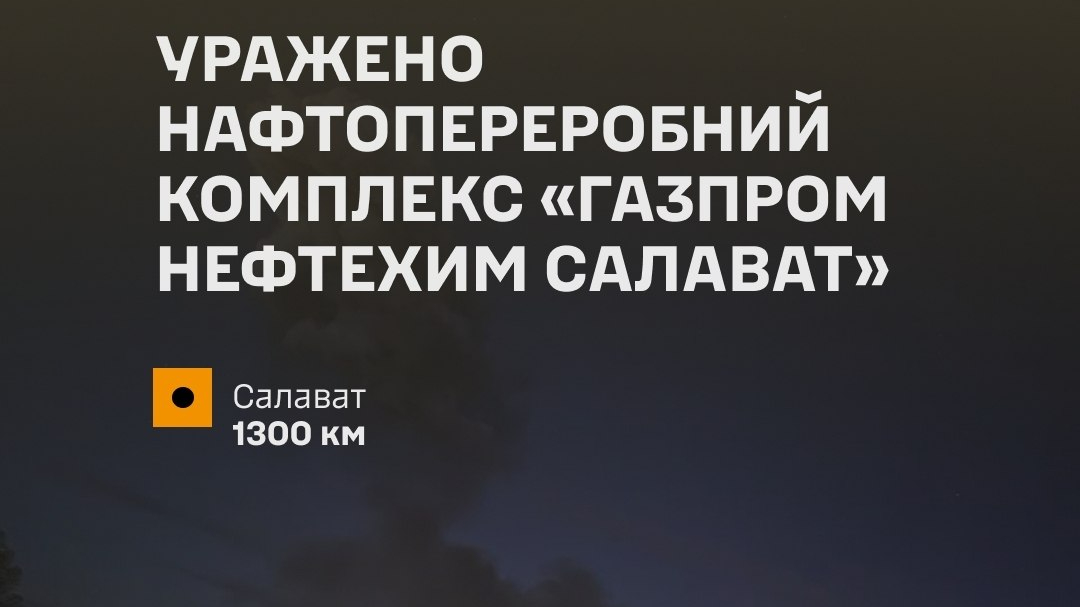
Ukraine's defence forces strike Gazprom oil refinery in Bashkortostan, 1,400 km from border
DEVELOPINGUkrainska Pravda1h ago
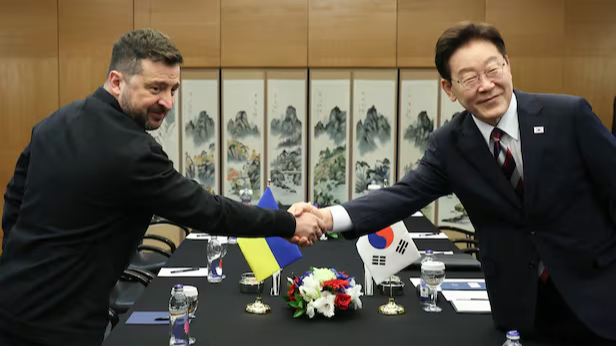
South Korea recalls its ambassador to Ukraine amid dispute over North Korean POWs
DEVELOPINGUkrainska Pravda2h ago
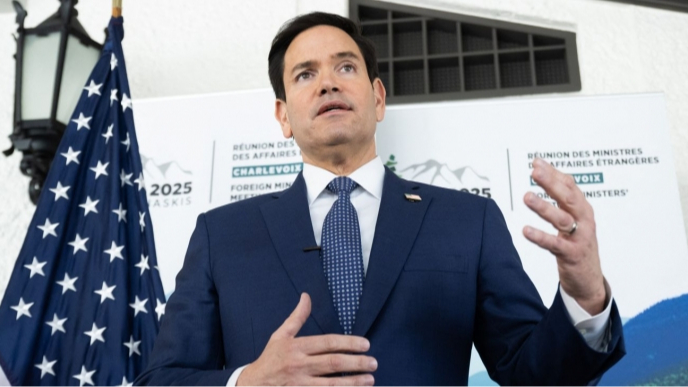
Rubio says diplomatic negotiations to end war in Ukraine are "proving elusive"
DEVELOPINGUkrainska Pravda3h ago
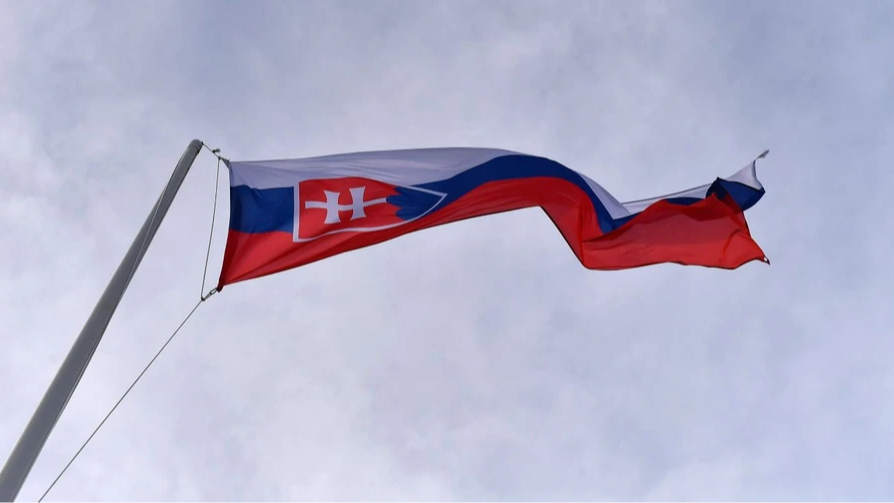
Slovakia sends military attaché back to Russia for first time in 4 years
DEVELOPINGUkrainska Pravda6h ago
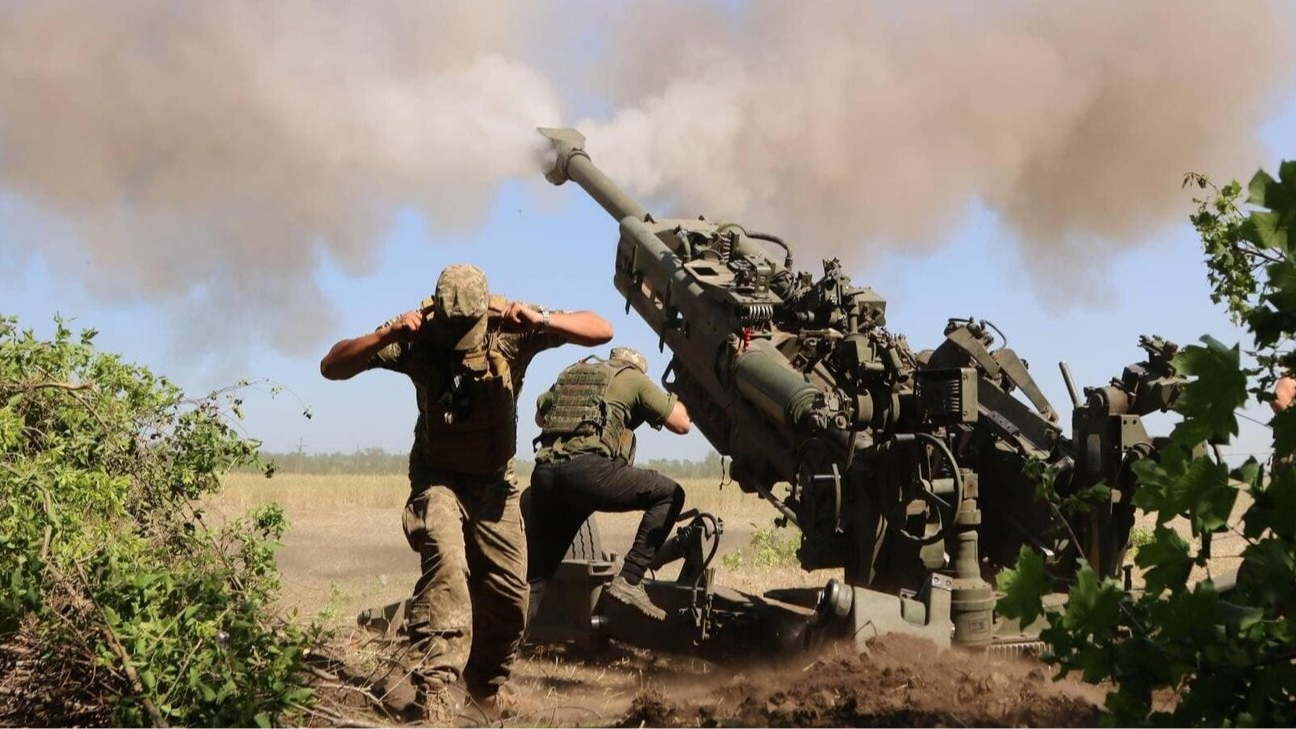
Russia loses 1,830 soldiers over past day
DEVELOPINGUkrainska Pravda6h ago