
The Guardian Europe
leftREPORTPatriot missiles have been a godsend for Ukraine against Putin, but they’re running out. Kyiv needs help and fast | Jack Watling
Full BriefGenerated 55d ago
What Happened
Ukraine is facing a critical shortage of Patriot missile interceptors, leading to a significant decline in the effectiveness of its air defense against Russian ballistic and cruise missile strikes. According to analysis by Jack Watling of the Royal United Services Institute, intercept rates for these threats have dropped from over 70% to near zero. Russia continues to utilize Iskander and Kinzhal ballistic missiles, alongside cruise missiles and drones, to target Ukrainian infrastructure, while global production of Patriot interceptors—approximately 840 units annually across the US, Germany, and Japan—remains insufficient to meet the combined demands of Ukraine and other global security requirements.
Key Actors
- ·Ukrainian Armed Forces(Military force)Currently struggling to defend critical infrastructure against Russian ballistic missile strikes due to a depletion of Patriot interceptor stockpiles.
- ·Russian Armed Forces(Military force)Utilizing Iskander and Kinzhal ballistic missiles to strike Ukrainian command centers and infrastructure with reduced risk of interception.
- ·NATO(Military alliance)Criticized for failing to expand production capacity for air defense systems like the Patriot and SAMP-T despite long-standing knowledge of the supply-demand deficit.
Why It Matters
The depletion of air defense interceptors leaves Ukraine's critical national infrastructure, including power, water, and heating systems, highly vulnerable to Russian strikes ahead of the winter season. The inability of Western allies to scale production to meet the intensity of the conflict highlights a broader strategic failure in defense industrial planning, potentially leaving both Ukraine and European NATO members exposed to future ballistic threats.
Watch For
Monitor for potential shifts in Western policy regarding the provision of long-range strike systems, such as Germany's Taurus missiles, and any efforts by the Ukrainian government to decentralize and fortify life-support infrastructure in anticipation of sustained energy grid disruptions during the winter.
Generated 55d ago · Based on full articleAuto-Compiled
DAILY BRIEFING
Follow Ukraine–Russia
Get a daily briefing with the most critical developments from every active conflict zone. Concise. Verified. Free.
No spam. Unsubscribe anytime. Verified sources only.
This page aggregates and summarizes reporting from The Guardian Europe. The Conflict Pulse does not author original reporting. Read the original source for full coverage.
CONFLICT OVERVIEW
Ukraine–Russia
Latest verified updates on Russia’s war in Ukraine, frontline shifts, drone warfare, Western support, occupied territories, and ceasefire diplomacy.
Active since February 2014
MORE REPORTING ON THIS REGION
Recent reporting from this region. These stories may cover different events.
LATEST FROM UKRAINE–RUSSIA
BREAKINGUkrainska Pravda1h ago
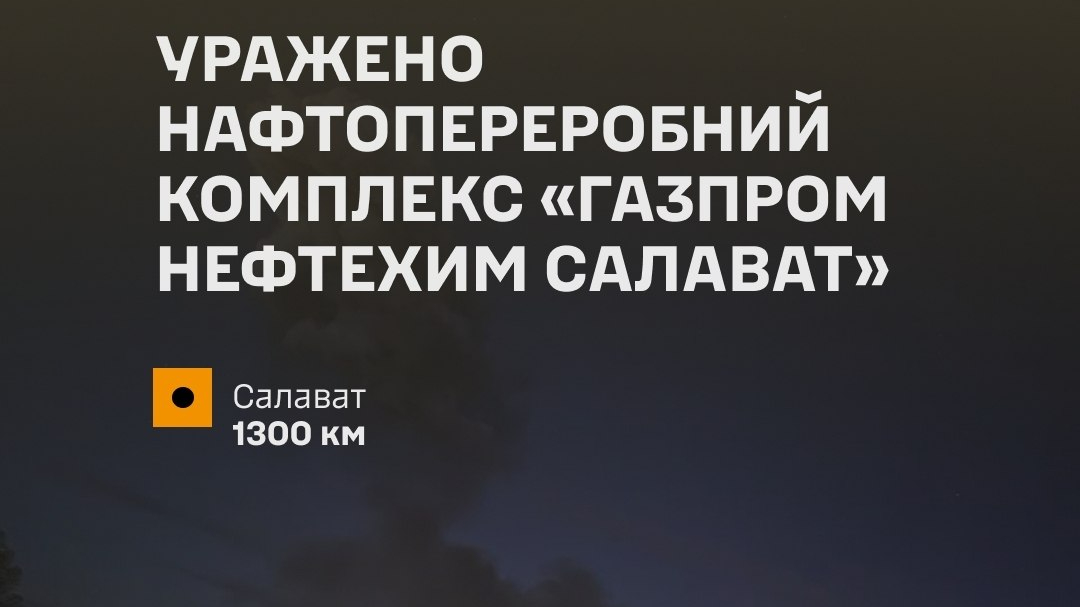
Ukraine's defence forces strike Gazprom oil refinery in Bashkortostan, 1,400 km from border

DEVELOPINGUkrainska Pravda1h ago
South Korea recalls its ambassador to Ukraine amid dispute over North Korean POWs

DEVELOPINGUkrainska Pravda2h ago
Rubio says diplomatic negotiations to end war in Ukraine are "proving elusive"

DEVELOPINGUkrainska Pravda3h ago
Slovakia sends military attaché back to Russia for first time in 4 years
DEVELOPINGUkrainska Pravda3h ago
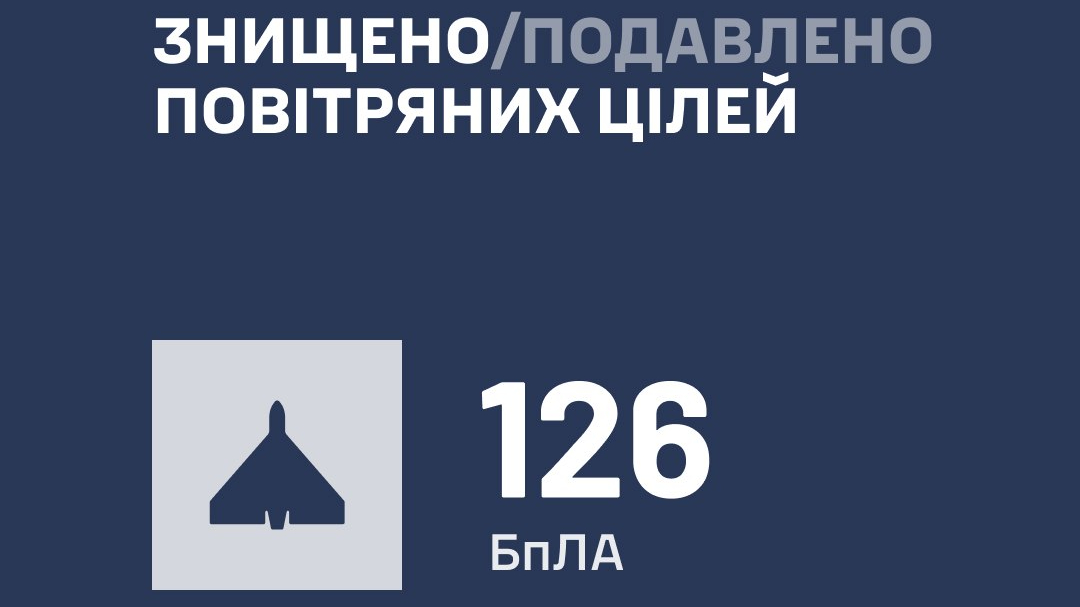
Russia attacked Ukraine with 142 drones overnight, 126 aerial assets brought down

DEVELOPINGUkrainska Pravda4h ago