Middle East Eye
centerLIVE UPDATEMorning update

Live BriefGenerated 11h ago
Story Developing — Brief Reflects Events Through 11h ago
What Happened
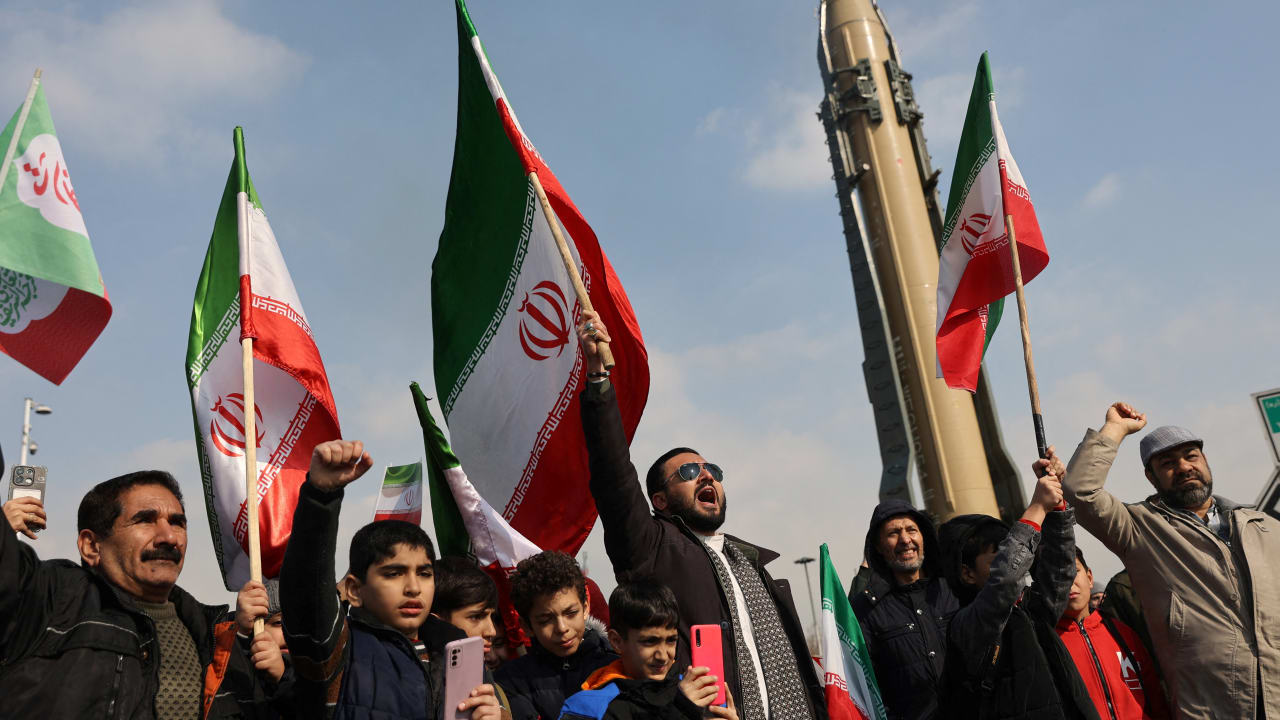
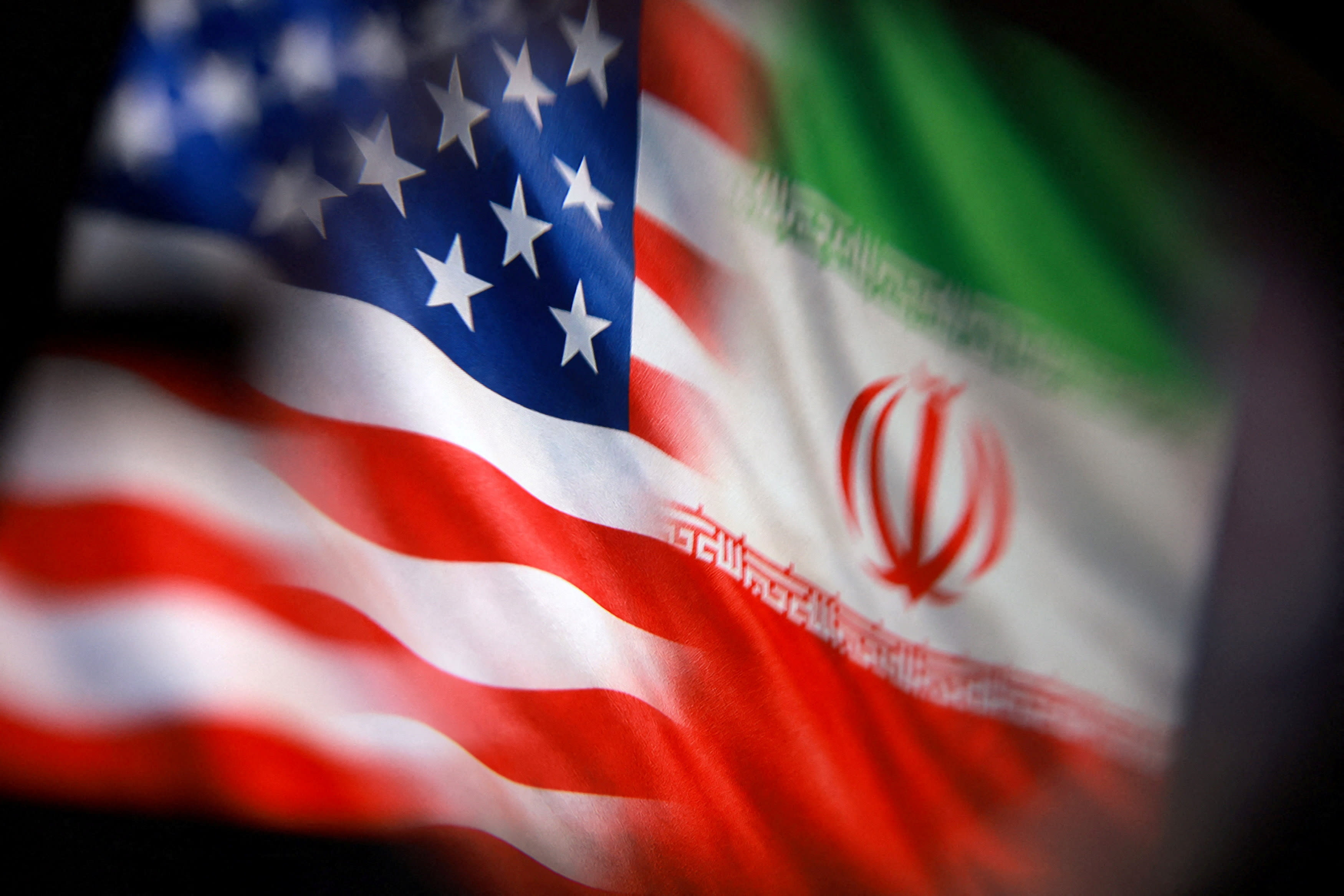
The United States conducted fresh airstrikes on southern Iran, targeting what Washington described as Iranian radar and drone facilities. The US government characterised the strikes as defensive measures. Despite the military action, diplomatic channels between Washington and Tehran remain active, with both governments continuing to exchange proposals in ongoing negotiations. The strikes occurred against a backdrop of heightened regional tensions, though the specific date, scale of the operation, and exact locations within southern Iran were not detailed in the available reporting.
Key Actors
- ·United States(US military and diplomatic apparatus)Conducted airstrikes on Iranian radar and drone facilities while simultaneously maintaining active diplomatic negotiations with Tehran
- ·Iran(Islamic Republic of Iran)Target of US military strikes on its southern territory while continuing to exchange diplomatic proposals with Washington
Why It Matters
The simultaneous pursuit of military strikes and diplomatic engagement represents a critical test of whether the US and Iran can manage escalation while preserving space for negotiation. The targeting of radar and drone infrastructure suggests US concern over Iranian surveillance and unmanned aerial capabilities, potentially linked to recent attacks on US forces or allies in the region. The continuation of diplomatic exchanges despite kinetic action indicates both sides retain interest in a negotiated outcome, but the fragility of this dual-track approach means any miscalculation or further escalation could collapse the diplomatic process entirely and trigger a broader regional conflict.
Watch For
Monitor whether Iran responds militarily to the US strikes, either directly or through regional proxy forces in Iraq, Syria, Yemen, or the Gulf. Track the substance and pace of the ongoing diplomatic proposals between Washington and Tehran to assess whether negotiations can withstand military pressure. Watch for statements from the Iranian Revolutionary Guard Corps (IRGC) or Supreme Leader Khamenei's office, which will signal Tehran's intended response posture. Observe whether the US conducts additional strikes or whether this represents a limited, calibrated action designed to send a message without derailing talks.
Generated 11h ago · Based on full articleAuto-Compiled
This page aggregates and summarizes reporting from Middle East Eye. The Conflict Pulse does not author original reporting. Read the original source for full coverage.
CONFLICT OVERVIEW
Iran
Latest verified updates on Iran’s regional confrontation, U.S.–Israeli strikes, missile retaliation, proxy networks, sanctions, and Strait of Hormuz risks.
SOURCE PERSPECTIVES
How outlets across the bias spectrum are covering this conflict.
left
Trump had no plan B for Iran. It shows | Kenneth Roth
The Guardian Middle EastIran threatens to suspend peace talks after ‘violation of ceasefire’ in Lebanon
The Guardian Middle EastLATEST FROM IRAN