
Iran International
rightLIVE UPDATEFar-right overreach against Pezeshkian exposes cracks in the hardline camp
Full BriefGenerated 16m ago
What Happened
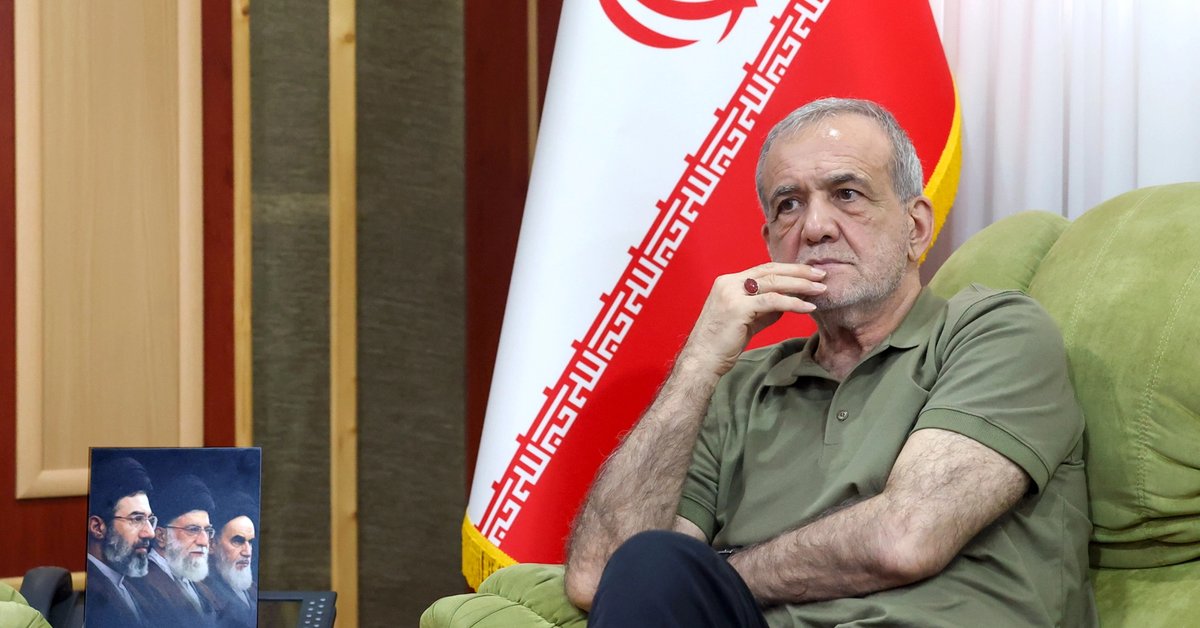
Conservative factions within Iran's political establishment have publicly rebuked hardline lawmaker criticism of President Masoud Pezeshkian following accusations that he bypassed Supreme Leader Ali Khamenei in negotiating an April ceasefire with the United States. The pushback signals internal fractures within Iran's hardline camp, with establishment conservatives distancing themselves from ultra-radical elements who challenged Pezeshkian's handling of the ceasefire agreement. The dispute centers on procedural authority and the president's role in foreign policy decisions that traditionally require Supreme Leader approval.
Key Actors
- ·Masoud Pezeshkian(President of Iran)Accused by hardline lawmakers of bypassing Supreme Leader Khamenei in ceasefire negotiations with the U.S., now receiving support from establishment conservatives.
- ·Ali Khamenei(Supreme Leader of Iran)Central authority whose approval is traditionally required for major foreign policy decisions; his position on the internal dispute remains unreported.
- ·Hardline lawmaker faction(Ultra-radical elements within Iran's Majles (parliament))Challenged Pezeshkian's authority over the April ceasefire, triggering backlash from establishment conservatives who view the criticism as overreach.
- ·Establishment conservatives(Mainstream conservative political bloc within Iran's power structure)Publicly defending Pezeshkian against ultra-radical criticism, signaling limits to acceptable dissent within the hardline camp.
Why It Matters
The public split exposes deepening fissures within Iran's hardline coalition at a moment when the Islamic Republic faces external pressure from renewed U.S. engagement and internal economic strain. Establishment conservatives' willingness to defend Pezeshkian against their own radical flank suggests pragmatic elements within the regime prioritize stability and functional governance over ideological purity, particularly regarding foreign policy flexibility. The dispute also tests the boundaries of acceptable criticism toward the presidency and, indirectly, the Supreme Leader's decision-making process, with implications for how Iran navigates future diplomatic engagements and manages internal dissent as economic and regional pressures mount.
Watch For
Monitor whether Supreme Leader Khamenei issues any public statement clarifying the procedural legitimacy of the April ceasefire or rebuking either faction, which would signal his preferred balance between pragmatism and hardline orthodoxy. Track whether the hardline lawmaker faces formal censure or loss of committee positions within the Majles, indicating the establishment's willingness to enforce discipline. Observe Pezeshkian's next major foreign policy move—particularly any engagement with Western powers or regional actors—to assess whether this internal pushback emboldens or constrains his diplomatic latitude. Watch for any retaliatory messaging from ultra-radical outlets or figures aligned with the Islamic Revolutionary Guard Corps, which could escalate the intra-conservative conflict.
Generated 16m ago · Based on full articleAuto-Compiled
This page aggregates and summarizes reporting from Iran International. The Conflict Pulse does not author original reporting. Read the original source for full coverage.
CONFLICT OVERVIEW
Iran
Latest verified updates on Iran’s regional confrontation, U.S.–Israeli strikes, missile retaliation, proxy networks, sanctions, and Strait of Hormuz risks.
SOURCE PERSPECTIVES
How outlets across the bias spectrum are covering this conflict.
left
Trump had no plan B for Iran. It shows | Kenneth Roth
The Guardian Middle EastIran threatens to suspend peace talks after ‘violation of ceasefire’ in Lebanon
The Guardian Middle EastLATEST FROM IRAN
BREAKINGjpost.com2h ago
Iran - US deal on nuclear weapons , missiles , Strait of Hormuz , terror funding

BREAKINGjpost.com2h ago
Why Donald Trump should target Iran sinking IRGC Titanic

LIVE UPDATEJerusalem Post — Iran News3h ago
Conflicting Trump, Tehran statements leave US-Iran talks status unclear
LIVE UPDATEJerusalem Post — Iran News3h ago
Iran pushes limited deal with US to buy time amid economic pressure

LIVE UPDATEMiddle East Eye4h ago
EU’s Kallas praises Pakistan’s role in preventing ‘full blown war’
LIVE UPDATEMiddle East Eye5h ago