aljazeera.com
centerREPORTMissiles and drones fired at Gulf states after night of US strikes on Iran | US - Israel war on Iran News

Full BriefGenerated 13d ago
What Happened
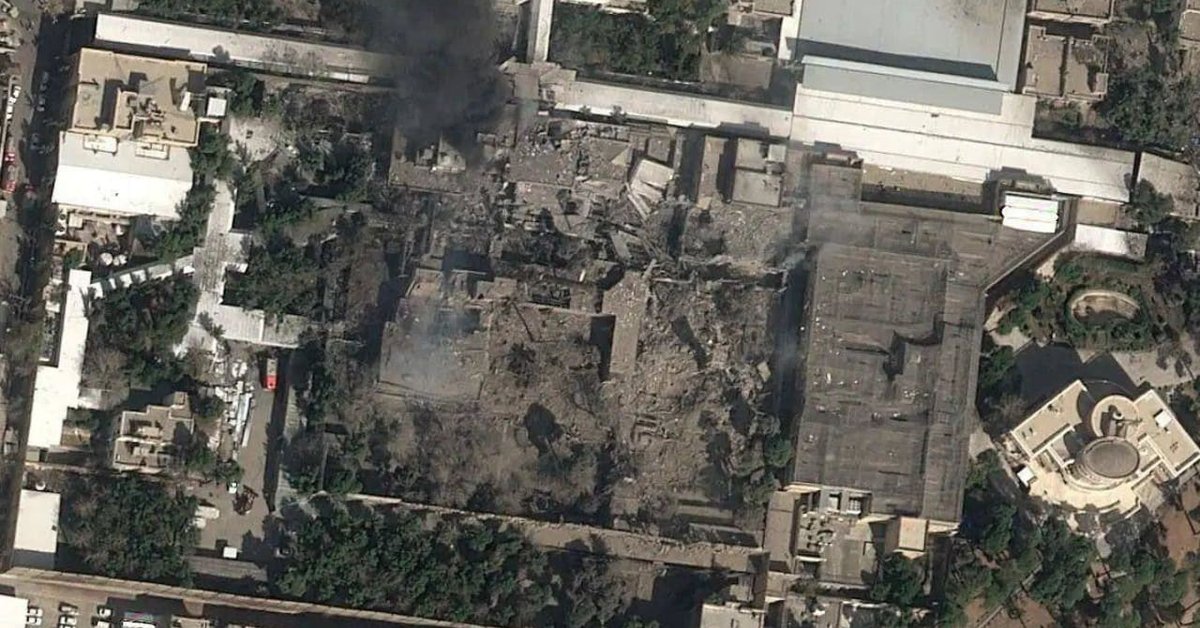
Overnight and into Sunday, Iranian missiles and drones struck multiple Gulf states—including the UAE, Qatar, Kuwait, Bahrain, and Oman—hours after US Central Command (CENTCOM) confirmed strikes on approximately 140 military targets inside Iran, including missile and drone launch sites, naval assets, and ammunition storage. Iranian state media reported one army officer killed in the US strikes. The IRGC separately claimed it had targeted a US radar site in Kuwait and destroyed a command-and-control centre and drone hangars at a US base in Jordan. In Qatar, falling shrapnel injured three people, including a child; the Qatari interior ministry strongly condemned the attacks. The IRGC announced on Saturday that the Strait of Hormuz was 'closed until further notice' after an Iranian attack on a Cyprus-flagged container ship, and all GCC states except Saudi Arabia reported intercepting Iranian projectiles. Missile alerts sounded for the third time on Sunday in Bahrain, home to the US 5th Fleet, while Oman reported drone strikes in the Musandam governorate, an exclave on the strait.
Key Actors
- ·Islamic Revolutionary Guard Corps (IRGC)(Iranian military branch responsible for external operations)Claimed responsibility for attacks on US bases in Kuwait and Jordan, and declared the Strait of Hormuz closed to all vessel traffic.
- ·United States Central Command (CENTCOM)(US combatant command overseeing Middle East operations)Conducted strikes on roughly 140 military targets across Iran, citing attacks on shipping as justification.
- ·Qatar(GCC member state)Intercepted Iranian projectiles; interior ministry confirmed three casualties from shrapnel and condemned the escalation as undermining diplomacy.
- ·Oman(GCC member state and Strait of Hormuz co-littoral)Reported drone strikes in Musandam; continued technical and political talks with Iran on maritime navigation despite the attacks.
Why It Matters
The barrage marks a significant geographical expansion of the US-Iran war, directly drawing Gulf Arab states into the crossfire and threatening their critical infrastructure. The closure of the Strait of Hormuz — through which a fifth of global oil exports used to transit — and Iran's insistence on controlling approved shipping lanes further disrupt energy markets, pushing prices to multi-year highs. The violence complicates Omani-mediated negotiations and tests the fragile memorandum of understanding that had allowed partial resumption of traffic, while the US midterm elections add domestic pressure on President Trump to lower energy costs.
Watch For
Omani-Iranian technical and political talks on Strait of Hormuz navigation are to continue; any commitment from Tehran to unrestricted passage would be significant. Trump's shifting statements on the deal's viability — from declaring it 'over' to consenting to further negotiations — signal possible diplomatic re-engagement or breakdown. Further IRGC attacks on Gulf states or US bases may provoke additional US strikes, especially if shipping attacks resume via the non-approved lane. The killing of Iran's Supreme Leader in late February and the death of an army officer in the latest US strikes could harden Iranian positions.
Generated 13d ago · Based on full articleAuto-Compiled
This page aggregates and summarizes reporting from aljazeera.com. The Conflict Pulse does not author original reporting. Read the original source for full coverage.
CONFLICT OVERVIEW
Iran
Latest verified updates on Iran’s regional confrontation, U.S.–Israeli strikes, missile retaliation, proxy networks, sanctions, and Strait of Hormuz risks.
SOURCE PERSPECTIVES
How outlets across the bias spectrum are covering this conflict.
left
US expands Iran attacks as Trump warns Tehran and Houthis over Red Sea strikes
The Guardian Middle EastHow Chinese tech and Russian tactics are aiding Iran’s bombing of US bases
The Guardian AsiaLATEST FROM IRAN