
BBC Middle East
centerREPORTIsrael strikes Beirut suburb days after US-brokered truce
Full BriefGenerated 33d ago
What Happened
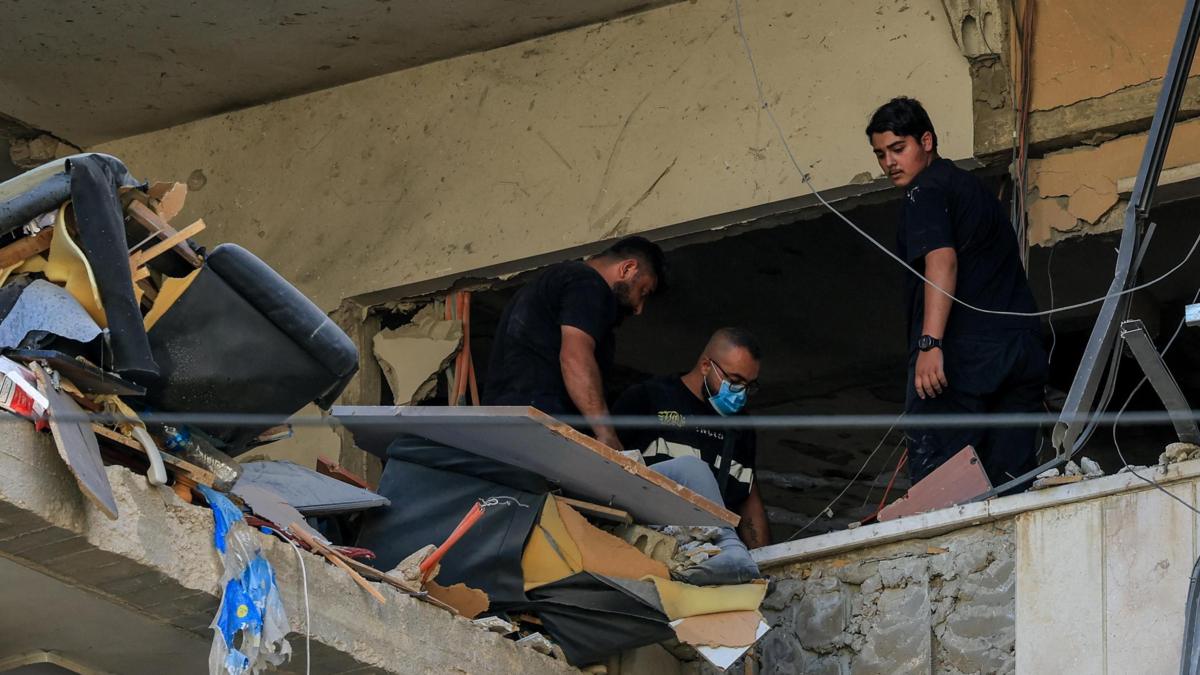
The Israel Defense Forces (IDF) conducted two air strikes on apartment buildings in the Dahiyeh district of Beirut, marking the first such attack on the Lebanese capital since the implementation of a US-brokered truce. The Lebanese Ministry of Health reported two fatalities and at least 20 injuries, including four women and four children. Prime Minister Benjamin Netanyahu stated the strikes targeted Hezbollah command infrastructure in response to rocket fire directed at Israeli territory. Hezbollah claimed responsibility for firing rockets at Yiftah Barracks and positions near al-Marj Pond, characterizing these actions as retaliation for Israeli violations of the ceasefire agreement.
Key Actors
- ·IDF(Israeli military forces)The IDF maintains that strikes in Dahiyeh target Hezbollah infrastructure in response to ongoing projectile fire from Lebanon.
- ·Hezbollah(Lebanese political-military organization)Hezbollah asserts that its rocket fire is a defensive response to Israeli ceasefire violations and continued military operations in southern Lebanon.
- ·Nabih Berri(Lebanese Parliament Speaker)Berri has publicly rejected the US-brokered ceasefire framework, labeling it a trap due to the absence of provisions for an Israeli withdrawal from southern territory.
- ·Benjamin Netanyahu(Prime Minister of Israel)Netanyahu has authorized strikes on Dahiyeh, citing the necessity of targeting Hezbollah command nodes despite international pressure to maintain the truce.
Why It Matters
The resumption of air strikes in Dahiyeh threatens the viability of the US-brokered ceasefire, which has been described as fragile and frequently violated. The escalation highlights the disconnect between diplomatic efforts led by the United States and the operational reality on the ground, where both the IDF and Hezbollah continue to prioritize tactical strikes over the terms of the agreement. The involvement of Iranian officials in threatening a response to the Beirut strikes further risks regionalizing the conflict.
Watch For
Monitor for further Israeli air strikes in the Dahiyeh district and potential retaliatory rocket barrages from Hezbollah. Additionally, observe the diplomatic response from the United States and Qatar regarding the status of the ceasefire, as well as any official statements from the Iranian government concerning their promised response to the Beirut attack.
Generated 33d ago · Based on full articleAuto-Compiled
DAILY BRIEFING
Follow Lebanon
Get a daily briefing with the most critical developments from every active conflict zone. Concise. Verified. Free.
No spam. Unsubscribe anytime. Verified sources only.
This page aggregates and summarizes reporting from BBC Middle East. The Conflict Pulse does not author original reporting. Read the original source for full coverage.
CONFLICT OVERVIEW
Lebanon
Latest verified updates on Lebanon, Hezbollah, Israel–Lebanon escalation, southern border fighting, displacement, state authority, and ceasefire diplomacy.
Active since October 2023
MORE REPORTING ON THIS REGION
Recent reporting from this region. These stories may cover different events.
This selection currently contains center-leaning sources.
LATEST FROM LEBANON

REPORTMiddle East Eye3d ago
South Lebanon: 'It's torture, they are razing our lives before our eyes'

REPORTAl Jazeera3d ago
Syria denies officials held ‘secret’ talks with Hezbollah in Turkiye

REPORTMiddle East Eye3d ago
Syria denies that it met Hezbollah in Turkey

REPORTMiddle East Eye5d ago
‘We are stuck here’: In cramped shelters, Lebanon’s displaced dream of their villages

REPORTMiddle East Eye6d ago
US Treasury secretary calls on Lebanon to take 'decisive action' against Iranian financial networks
REPORTMiddle East Eye6d ago