The Guardian Middle East
leftREPORTAnger among Iranian hardliners at terms of deal agreed with US
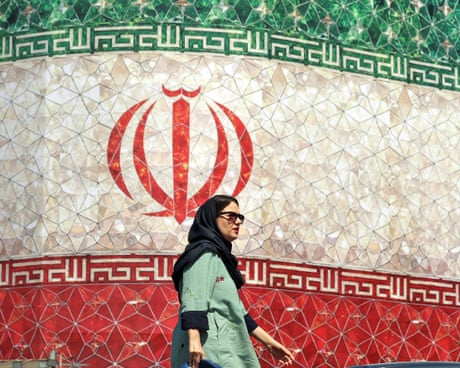
Those in favour forced to defend themselves against claims the terms amount to capitulationMiddle East crisis – live updatesIranian hardliners have mounted a rearguard rejection of a deal with the US as as they say it does not guarantee sanctions relief, compensation or control of the strait of Hormuz. “The fact that they say we won and America has retreated is a blatant lie,” said the Iranian MP Kamran Ghazanfari.
Full BriefGenerated 9d ago
What Happened
Hardline factions within the Iranian parliament and media have launched a campaign against a proposed diplomatic agreement with the United States. Critics, including MP Kamran Ghazanfari and the Paydari Front, argue the deal represents a 'catastrophic capitulation' that fails to secure sanctions relief or maintain control over the Strait of Hormuz. Conversely, Mehdi Mohammadi, an adviser to parliamentary speaker Mohammad-Bagher Ghalibaf, claimed the agreement would end regional hostilities, including the conflict in Lebanon, without requiring new nuclear commitments. Mohammadi asserted the deal would allow Iran to charge transit fees in the Strait of Hormuz and potentially exclude Israeli commercial vessels, though these claims are contested by hardline critics who view the proposal as a surrender of strategic leverage.
Key Actors
- ·Mohammad-Bagher Ghalibaf(Speaker of the Iranian Parliament)Supports the negotiation process and the proposed agreement with the United States.
- ·Paydari Front(Hardline political faction in the Iranian Parliament)Opposes the proposed deal, arguing it compromises national security and strategic leverage.
- ·Mehdi Mohammadi(Adviser to the Iranian negotiating team)Defends the deal as a strategic success that secures regional influence and economic concessions.
- ·Abbas Araghchi(Iranian Foreign Minister)Targeted by hardline critics for his role in the ongoing negotiations.
Why It Matters
The internal dispute highlights a significant fracture within the Iranian political establishment regarding the state's willingness to engage with the United States. The debate over the Strait of Hormuz and nuclear concessions underscores the tension between pragmatic efforts to alleviate economic pressure through sanctions relief and the ideological commitment of hardliners to maintain a confrontational posture against Western powers.
Watch For
Monitor for further protests outside the Iranian Foreign Ministry and potential shifts in the parliamentary stance toward the negotiating team. Additionally, observe whether the Iranian government permits public demonstrations in support of the agreement to counter the hardline narrative, as suggested by the Khorosan newspaper.
Generated 9d ago · Based on full articleAuto-Compiled
This page aggregates and summarizes reporting from The Guardian Middle East. The Conflict Pulse does not author original reporting. Read the original source for full coverage.
CONFLICT OVERVIEW
Iran
Latest verified updates on Iran’s regional confrontation, U.S.–Israeli strikes, missile retaliation, proxy networks, sanctions, and Strait of Hormuz risks.
SOURCE PERSPECTIVES
How outlets across the bias spectrum are covering this conflict.
LATEST FROM IRAN