The Guardian Middle East
leftREPORTTrump withdraws Hormuz tolls threat but says US will continue to blockade Iran
Full BriefGenerated 11d ago
What Happened
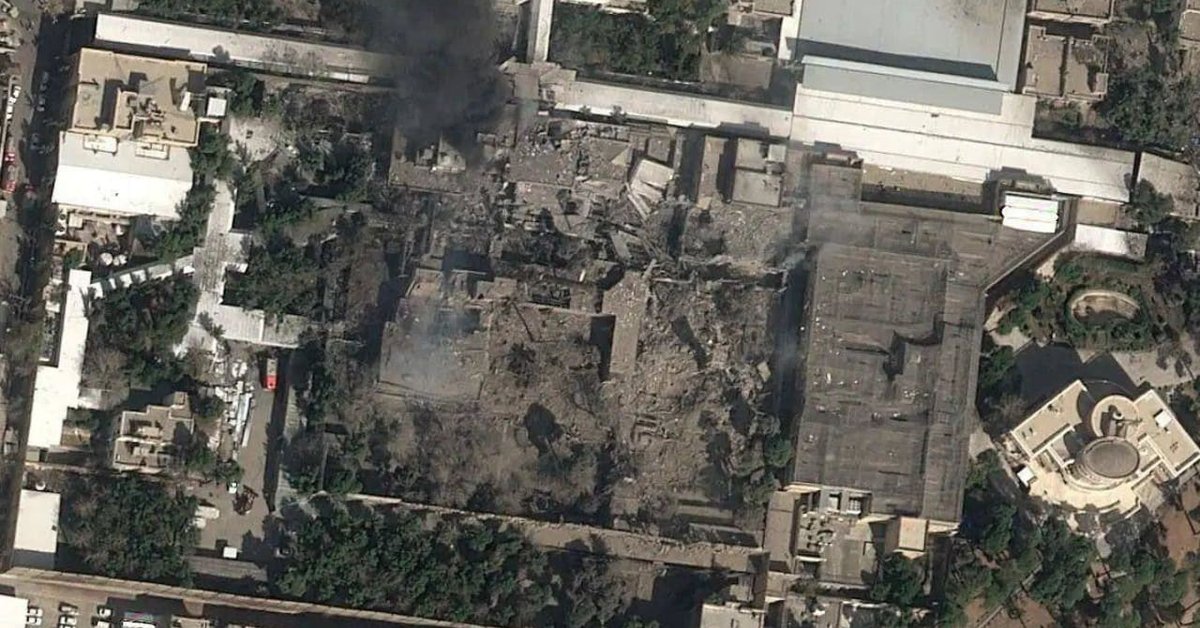
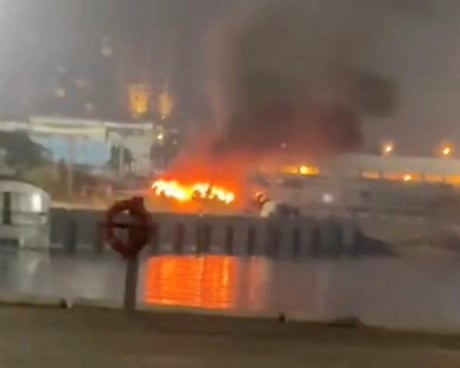
For a third consecutive day, the US military conducted strikes across Iran, including the port cities of Bushehr and Bandar Abbas, in operations it said were meant to degrade Iran’s ability to attack commercial shipping. Iran retaliated by striking Bahrain—host to the US Navy’s Fifth Fleet—Jordan, which houses US air force assets, and two oil tankers associated with the United Arab Emirates in the Strait of Hormuz. Bahrain intercepted several attacks and accused Iran of targeting civilians in Manama; Jordan intercepted four missiles. Iran’s Islamic Revolutionary Guard Corps (IRGC) claimed the tanker attacks, stating the vessels ignored repeated warnings. One Indian seafarer died and ten others were wounded, prompting a strong protest from India. The UAE threatened retaliation. These exchanges occur amid a fragile 60-day memorandum of understanding meant to facilitate truce negotiations, now roughly halfway elapsed with little progress on the strait, Iran’s nuclear programme, or regional issues. Separately, US President Donald Trump declared the US would control the Strait of Hormuz and charge ships a toll of up to 20% of cargo value for safe passage, a stance Iran’s Foreign Minister Abbas Araghchi called unfair.
Key Actors
- ·United States(Belligerent state; Trump administration and US military)Launched a third day of strikes on Iranian port cities and declared intent to control and toll the Strait of Hormuz.
- ·Iran (IRGC and Foreign Minister Araghchi)(Belligerent state; the IRGC conducted retaliatory attacks; Foreign Ministry represents diplomatic stance)Retaliated against Bahrain, Jordan, and UAE-linked tankers; claimed tanker attacks were due to ignored warnings; rejected US toll plan, asserting Iran will guard the strait 'for ever'.
- ·Bahrain(US ally hosting Fifth Fleet headquarters)Intercepted Iranian strikes, accused Iran of targeting civilians in Manama.
- ·United Arab Emirates(Owner of attacked tankers and regional US partner)Threatened retaliation against Iran after its tankers were struck in the Strait of Hormuz.
Why It Matters
The spiralling direct exchanges risk a return to all-out US–Iran war, reversing the four-month conflict’s stalemate and undermining the ongoing truce negotiations. Trump’s plan to impose tolls on the Strait of Hormuz overturns decades of US freedom-of-navigation policy, threatening global shipping norms and energy markets—oil prices hit a four-week high. Iran’s widening strikes against US allies Bahrain and Jordan draw more states into the confrontation, while civilian casualties invite diplomatic protests and potential escalation with India and the UAE.
Watch For
Monitor whether the 60-day MoU timeline can still yield a ceasefire, with negotiations now under severe strain. Watch for Iranian replies to the US toll proposal and any concrete US moves to enforce it. Track whether Bahrain, Jordan, or the UAE escalate militarily beyond intercepts and warnings. The Lebanese–Israeli talks in Rome on southern Lebanon’s occupation may also be upended by the region-wide tension.
Generated 11d ago · Based on full articleAuto-Compiled
This page aggregates and summarizes reporting from The Guardian Middle East. The Conflict Pulse does not author original reporting. Read the original source for full coverage.
CONFLICT OVERVIEW
Iran
Latest verified updates on Iran’s regional confrontation, U.S.–Israeli strikes, missile retaliation, proxy networks, sanctions, and Strait of Hormuz risks.
SOURCE PERSPECTIVES
How outlets across the bias spectrum are covering this conflict.
left
US expands Iran attacks as Trump warns Tehran and Houthis over Red Sea strikes
The Guardian Middle EastHow Chinese tech and Russian tactics are aiding Iran’s bombing of US bases
The Guardian AsiaLATEST FROM IRAN