Middle East Eye
centerREPORTIran strikes American military assets in Gulf and Jordan, after US hits Iranian cities

Full BriefGenerated 13d ago
What Happened
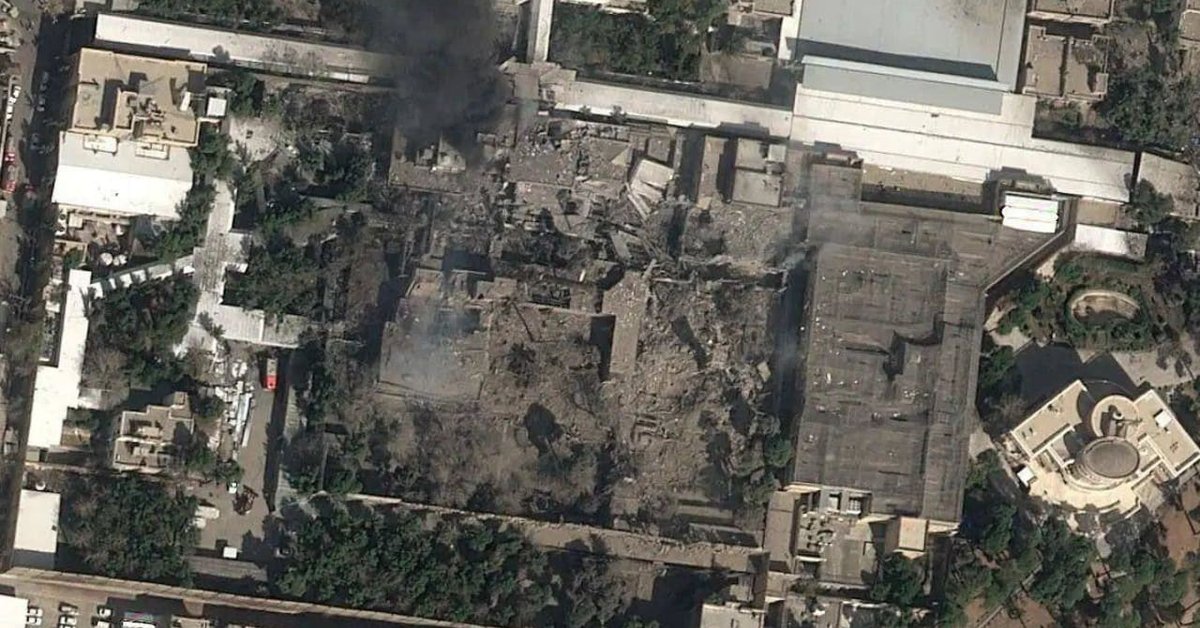
The Islamic Revolutionary Guard Corps (IRGC) launched missile and drone strikes against multiple locations across the Gulf and Jordan, including sites in Kuwait, Qatar, and Oman, following a series of US military strikes on Iranian territory. The Pentagon reported that US forces conducted over 300 strikes across three nights, targeting 140 Iranian sites to degrade capabilities related to maritime interference. The IRGC announced the closure of the Strait of Hormuz, citing US intervention, after attacking the Cyprus-registered vessel GFS Galaxy, which resulted in one missing Indian national. Iranian state media reported explosions in Bandar Abbas, Sirik, Jask, Qeshm Island, and Khuzestan province, while the IRGC claimed to have destroyed US-linked command, radar, and logistical facilities in the region.
Key Actors
- ·IRGC(Iranian military branch)Claimed responsibility for strikes on US-linked assets and the closure of the Strait of Hormuz.
- ·US Central Command (Centcom)(US military combatant command)Reported conducting 140 strikes on Saturday to degrade Iranian capabilities against commercial shipping.
- ·Mohammad Bagher Ghalibaf(Iranian Parliament Speaker)Stated that the era of one-sided deals is over and warned of further consequences.
Why It Matters
The direct, large-scale exchange of fire between US and Iranian forces represents a significant escalation in regional hostilities, effectively ending a weeks-long ceasefire. The closure of the Strait of Hormuz, a critical global energy chokepoint, combined with the targeting of US military infrastructure in multiple Gulf states, threatens to destabilize international maritime security and energy markets.
Watch For
Monitor the status of the Strait of Hormuz for commercial shipping transit and any further US military responses to the IRGC strikes. Additionally, observe diplomatic developments following the failed talks in Oman and the potential for further regional instability following the statement from Supreme Leader Ayatollah Mojtaba Khamenei.
Generated 13d ago · Based on full articleAuto-Compiled
This page aggregates and summarizes reporting from Middle East Eye. The Conflict Pulse does not author original reporting. Read the original source for full coverage.
CONFLICT OVERVIEW
Iran
Latest verified updates on Iran’s regional confrontation, U.S.–Israeli strikes, missile retaliation, proxy networks, sanctions, and Strait of Hormuz risks.
SOURCE PERSPECTIVES
How outlets across the bias spectrum are covering this conflict.
left
US expands Iran attacks as Trump warns Tehran and Houthis over Red Sea strikes
The Guardian Middle EastHow Chinese tech and Russian tactics are aiding Iran’s bombing of US bases
The Guardian AsiaLATEST FROM IRAN