The Guardian Middle East
leftREPORTIran is jealously competing with Oman as decision-maker over strait of Hormuz
Full BriefGenerated 26d ago
What Happened
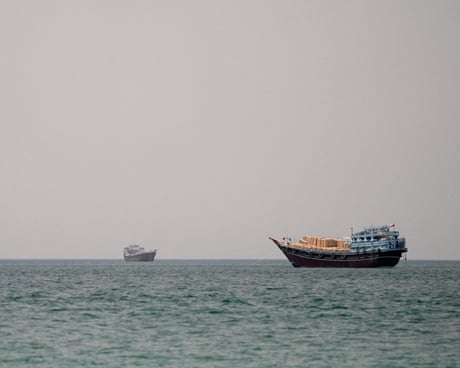
Iran is asserting exclusive authority over lifting the blockade of the Strait of Hormuz, rejecting a plan by Oman and the UN's International Maritime Organization (IMO) to open a southern shipping lane near Oman's coast. The IMO had proposed two new lanes—one in Omani waters under US monitoring and one near Iran—but Iran resisted any arrangement not under its sole control. Tensions escalated when an Iranian attack on a Singaporean ship transiting the southern route on Thursday led the IMO to abandon the plan. Iranian Foreign Minister Abbas Araghchi stated that separate arrangements would cause 'further complications, delays in reopening the strait of Hormuz and an increase in tensions.' Oman is simultaneously advancing a long-term management framework that would allow service fees under international law, with discussions ongoing between Omani and Iranian officials.
Key Actors
- ·Iran(State controlling the northern side of the Strait of Hormuz)Insists on sole decision-making power to lift the blockade and opposes any alternative shipping routes not under its authority, using the strait as leverage in nuclear negotiations.
- ·Oman(Neutral littoral state and mediator)Proposed a southern shipping lane and long-term management plan with service fees rather than tolls, seeking Iran's buy-in while facilitating humanitarian navigation.
- ·United States(Counterparty in nuclear talks and naval power)Signed a 18 June memorandum of understanding tying substantive nuclear talks to the lifting of the blockade; may resort to military action if the strait remains closed.
- ·International Maritime Organization(UN agency overseeing maritime safety)Abandoned the two-lane proposal after Iran's attack on a Singaporean vessel in the southern route.
Why It Matters
The Strait of Hormuz is a critical global oil transit chokepoint, and Iran's maximalist stance prolongs a blockade that disrupts shipping and heightens regional tensions. The dispute directly affects US-Iran nuclear negotiations, as the 18 June memorandum links progress to the strait's reopening. Oman's legalistic approach offers a diplomatic off-ramp, but Iran's resistance could escalate toward military confrontation, especially with US midterm elections looming. The outcome will test the viability of multilateral management of contested waterways under international law.
Watch For
Talks in Doha are expected to address the southern route dispute. Further incidents in the strait, US naval deployments, or taskforce announcements could indicate escalation. Monitor whether Iran engages with Oman's service fee proposal and whether the UN or regional states accept Oman's long-term plan. Developments will influence the timeline of substantive nuclear negotiations and the broader US-Iran standoff.
Generated 26d ago · Based on full articleAuto-Compiled
This page aggregates and summarizes reporting from The Guardian Middle East. The Conflict Pulse does not author original reporting. Read the original source for full coverage.
CONFLICT OVERVIEW
Iran
Latest verified updates on Iran’s regional confrontation, U.S.–Israeli strikes, missile retaliation, proxy networks, sanctions, and Strait of Hormuz risks.
SOURCE PERSPECTIVES
How outlets across the bias spectrum are covering this conflict.
left
US expands Iran attacks as Trump warns Tehran and Houthis over Red Sea strikes
The Guardian Middle EastHow Chinese tech and Russian tactics are aiding Iran’s bombing of US bases
The Guardian AsiaLATEST FROM IRAN