BBC Middle East
centerREPORTIran begins public mourning for Ayatollah killed in February
Full BriefGenerated 22d ago
What Happened
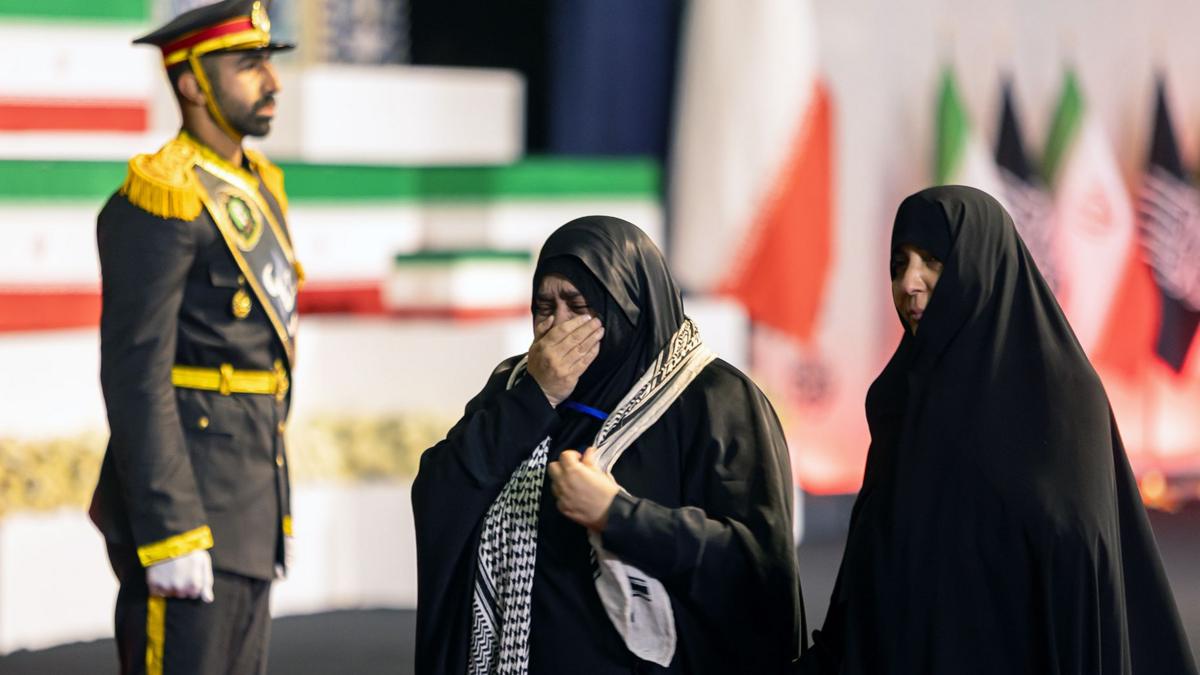
Iran began several days of public mourning and funeral processions for former Supreme Leader Ayatollah Ali Khamenei, more than four months after he was killed in February by strikes attributed to the US and Israel. The ceremonies started at 06:00 local time on Saturday at Tehran's Imam Khomeini Mosalla, where the body will lie in state until Sunday afternoon. The Mohammad Rasulullah Corps of the Islamic Revolutionary Guard Corps (IRGC) is leading the Tehran ceremony, with commander Hassan Hassanzadeh stating that Khamenei's coffin will be displayed on an elevated platform and crowd flows designed to process visitors in 15–20 minutes. Authorities claimed 12 to 20 million people are expected, ordering closures of public and private offices in Tehran from Saturday through Monday and implementing traffic restrictions that shut down most of the city centre to private vehicles. Airspace over Tehran will be partially closed from Friday and fully closed on Monday. The body will then move to Qom on Tuesday for prayers at Jamkaran mosque, before traveling to Najaf and Karbala in Iraq on Wednesday for processions at Shia holy sites. Iranian Foreign Minister Abbas Araghchi visited Baghdad to coordinate, calling the funeral symbolically important. Khamenei will be buried on Thursday at the Imam Reza Shrine in his hometown of Mashhad, with representatives from multiple countries including Pakistan Prime Minister Shehbaz Sharif expected to attend. The events occur under a fragile ceasefire after a preliminary deal to halt the conflict was signed in June.
Key Actors
- ·Ayatollah Ali Khamenei(Former Supreme Leader of Iran)Deceased; killed in February strikes attributed to the US and Israel, his body is being publicly mourned in a multi-day, multi-city funeral procession.
- ·Hassan Hassanzadeh(Commander of the IRGC's Mohammad Rasulullah Corps)Leading the official funeral ceremony in Tehran, overseeing security and crowd management, including the display of Khamenei's coffin.
- ·Abbas Araghchi(Foreign Minister of Iran)Coordinated funeral arrangements in Iraq, emphasizing the symbolic importance of the events and reinforcing Iran's religious and political ties across the region.
- ·Mojtaba Khamenei(Successor to the Supreme Leader)Has not been seen in public since assuming the role; his potential attendance at the funeral remains unconfirmed and is a focal point of speculation.
Why It Matters
The funeral is a major state event with strategic significance, occurring under a fragile ceasefire after a conflict that included direct US-Israeli strikes killing Iran's longstanding supreme leader. It provides a platform to project domestic unity and Shia transnational solidarity, as the itinerary includes key sites in Iraq, reinforcing Iran's religious influence. The public mourning also serves as a test for the post-Khamenei leadership, particularly the conspicuously absent successor Mojtaba, whose visibility or continued invisibility may signal the stability and direction of the new regime.
Watch For
Monitor whether Mojtaba Khamenei attends the funeral, as his absence would sustain uncertainty over the succession. The selection of who leads the funeral prayer carries religious and political weight. Any security incidents or mass unrest during the large gatherings could disrupt the fragile ceasefire and affect internal stability. Also watch for the tone and participation of foreign delegations, and any statements from US, Israeli, or regional officials that could escalate tensions.
Generated 22d ago · Based on full articleAuto-Compiled
This page aggregates and summarizes reporting from BBC Middle East. The Conflict Pulse does not author original reporting. Read the original source for full coverage.
CONFLICT OVERVIEW
Iran
Latest verified updates on Iran’s regional confrontation, U.S.–Israeli strikes, missile retaliation, proxy networks, sanctions, and Strait of Hormuz risks.
SOURCE PERSPECTIVES
How outlets across the bias spectrum are covering this conflict.
left
US expands Iran attacks as Trump warns Tehran and Houthis over Red Sea strikes
The Guardian Middle EastHow Chinese tech and Russian tactics are aiding Iran’s bombing of US bases
The Guardian AsiaLATEST FROM IRAN