aljazeera.com
centerREPORTIran attacks five Gulf nations , shuts Hormuz after US bombing : All to know

Full BriefGenerated 13d ago
What Happened
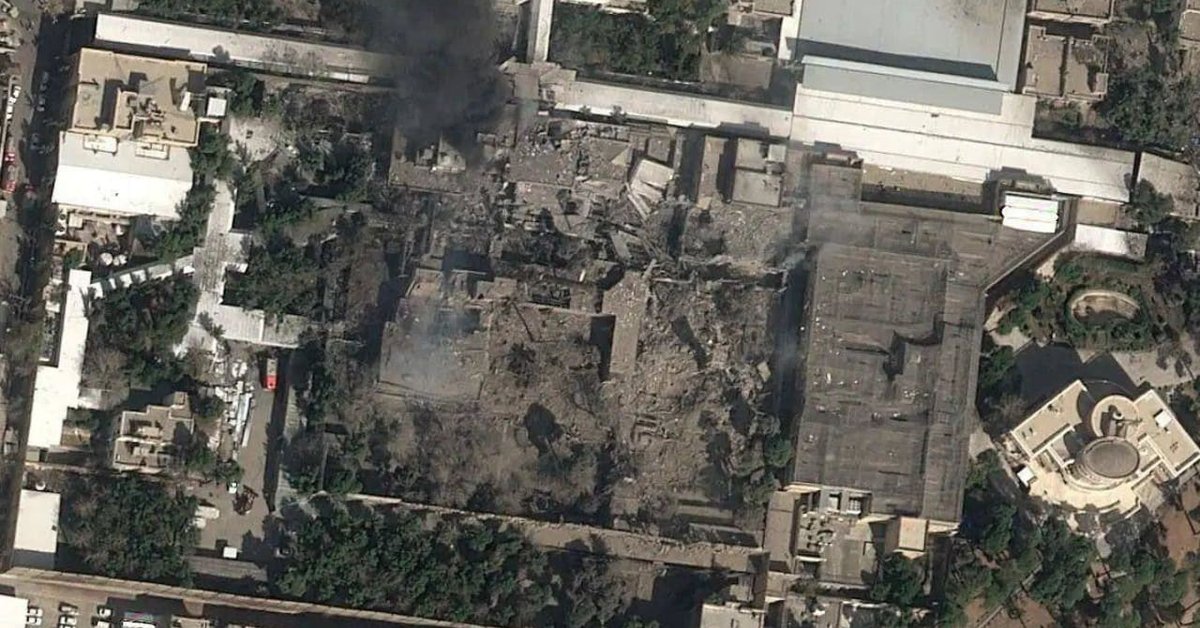
Iran’s Islamic Revolutionary Guard Corps (IRGC) launched coordinated missile and drone attacks on US military bases and facilities in five Gulf states—Bahrain, Kuwait, Qatar, Oman, and Jordan—on Sunday, while also declaring the Strait of Hormuz closed until further notice. The IRGC claimed it struck logistics and refuelling platforms at Duqm port in Oman, hit Al Udeid airbase in Qatar with ballistic missiles, targeted a Patriot air defence system and other US assets in Kuwait and Bahrain, and destroyed a command centre and MQ-9 drone hangars at Prince Hassan airbase in Jordan. Qatar’s Ministry of Defence said it intercepted incoming fire, and its Ministry of Interior reported three wounded, including a child, from falling shrapnel. The attacks came after US Central Command (CENTCOM) conducted a third round of airstrikes on about 140 military targets in southern and western Iran, including missile and drone sites, over three nights in response to IRGC strikes on commercial vessels in the strait, including a Qatari LNG tanker. US President Donald Trump had earlier declared the ceasefire over, while Iran’s parliament speaker Mohammad Bagher Ghalibaf cited the US’s failure to honour a fragile memorandum of understanding (MoU).
Key Actors
- ·Islamic Revolutionary Guard Corps (IRGC)(Iranian military force responsible for external operations)Conducted attacks on US bases in five Gulf states and declared the Strait of Hormuz closed, citing US violations and demanding an end to US interference.
- ·United States Central Command (CENTCOM)(US military command responsible for Middle East operations)Executed third round of strikes on 140 Iranian military targets to degrade Iran’s ability to attack commercial vessels, holding Iranian forces accountable for the attack on a Cyprus-flagged ship.
- ·Qatar’s Ministry of Defence(Defence authority of Qatar)Intercepted Iranian ballistic missiles targeting Al Udeid airbase; confirmed three civilian injuries from shrapnel.
- ·Mohammad Bagher Ghalibaf(Iran’s parliament speaker and peace negotiator)Declared the end of one-sided deals, posting Article 5 of the MoU on social media and warning of consequences for US non-compliance.
Why It Matters
The direct Iranian attacks on multiple Gulf Cooperation Council (GCC) states mark a dramatic expansion of the Iran-US conflict, risking a broader regional war and threatening the stability of key US allies. The closure of the Strait of Hormuz immediately endangers the global energy supply, as the waterway handles a significant share of the world’s oil and liquefied natural gas transit. The escalation tests the integrity of the US security umbrella over the Gulf and could draw host nations into active combat, while the collapse of the MoU erases a diplomatic off-ramp, leaving the conflict to spiral unpredictably.
Watch For
Monitor CENTCOM’s next military actions and whether the US escalates strikes deeper into Iranian territory or against IRGC assets abroad. Track the reopening status of the Strait of Hormuz, any further attacks on commercial shipping, and the response of major maritime powers. Watch for emergency sessions of the UN Security Council and reactions from GCC states, especially damage assessments and potential expulsion of US forces. Diplomatic channels, particularly Oman-mediated talks, may attempt to restore a ceasefire, while Iran’s internal political dynamics—including Supreme Leader Mojtaba Khamenei’s pledge to avenge his father’s killing—could signal continued hardline resolve.
Generated 13d ago · Based on full articleAuto-Compiled
This page aggregates and summarizes reporting from aljazeera.com. The Conflict Pulse does not author original reporting. Read the original source for full coverage.
CONFLICT OVERVIEW
Iran
Latest verified updates on Iran’s regional confrontation, U.S.–Israeli strikes, missile retaliation, proxy networks, sanctions, and Strait of Hormuz risks.
SOURCE PERSPECTIVES
How outlets across the bias spectrum are covering this conflict.
left
US expands Iran attacks as Trump warns Tehran and Houthis over Red Sea strikes
The Guardian Middle EastHow Chinese tech and Russian tactics are aiding Iran’s bombing of US bases
The Guardian AsiaLATEST FROM IRAN