The Guardian Middle East
leftREPORTChina is a clear winner from Trump’s war in Middle East, report concludes
Full BriefGenerated 26d ago
What Happened
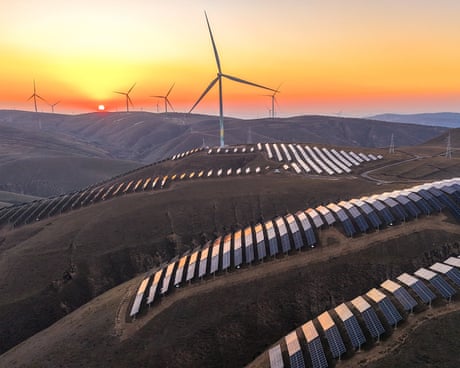
On 28 February, the United States and Israel launched joint strikes on Iranian government and military sites, killing Supreme Leader Ayatollah Ali Khamenei. In retaliation, Iran virtually closed the Strait of Hormuz, a critical waterway for global oil and liquefied natural gas transit. A subsequent report by the Asia Group assessed the economic and geopolitical fallout, finding that China emerged as the sole Asian winner. China’s large strategic crude reserves—sufficient for roughly 104 days of imports at 2025 levels—and its rapid expansion of renewable energy (including 315 GW of new solar capacity installed last year) insulated it from the energy price shock. China also benefited from surging exports of electric vehicles (up over 110% year-on-year in May) and solar technology as other nations accelerated clean energy transitions. Despite Beijing’s public calls for a ceasefire and a May meeting between President Xi Jinping and President Trump, the report notes that China used the crisis to portray the United States as a destabilizing actor whose Middle East entanglements impose global costs.
Key Actors
- ·United States(Co-belligerent in joint strikes on Iran)Launched joint military strikes with Israel on 28 February, targeting Iranian government and military sites and killing Supreme Leader Khamenei.
- ·Israel(Co-belligerent in joint strikes on Iran)Participated alongside the US in the 28 February strikes on Iran, which killed Supreme Leader Khamenei.
- ·Iran(Target of strikes and actor closing Strait of Hormuz)Virtually closed the Strait of Hormuz after the killing of its supreme leader, disrupting global energy supplies.
- ·China(Economic beneficiary and diplomatic actor)Weathered the energy crisis with oil reserves and renewables, accelerated clean-tech exports, called for a ceasefire, and hosted US-China presidential talks.
Why It Matters
The Strait of Hormuz closure threatens energy security for Asian economies that previously received 80% of the waterway’s oil and 90% of its LNG. China’s ability to absorb the shock and gain economic advantages highlights its strategic foresight in energy stockpiling and renewable supply chains, while simultaneously allowing it to frame the United States as a global destabilizer. This dynamic may reshape Asian geopolitical alignments as states reassess their dependencies on US-led security architectures versus Chinese economic and energy resilience.
Watch For
Monitor China’s continued surge in clean technology exports (EVs, solar) and any diplomatic initiatives to mediate or exploit the crisis. Watch whether Beijing’s calculus on a potential Taiwan contingency shifts due to demonstrated naval chokepoint vulnerabilities. Also track any signs of Asian nations pivoting toward China for energy security or economic partnerships as the crisis endures.
Generated 26d ago · Based on full articleAuto-Compiled
This page aggregates and summarizes reporting from The Guardian Middle East. The Conflict Pulse does not author original reporting. Read the original source for full coverage.
CONFLICT OVERVIEW
Iran
Latest verified updates on Iran’s regional confrontation, U.S.–Israeli strikes, missile retaliation, proxy networks, sanctions, and Strait of Hormuz risks.
SOURCE PERSPECTIVES
How outlets across the bias spectrum are covering this conflict.
left
US expands Iran attacks as Trump warns Tehran and Houthis over Red Sea strikes
The Guardian Middle EastHow Chinese tech and Russian tactics are aiding Iran’s bombing of US bases
The Guardian AsiaLATEST FROM IRAN