The Guardian Middle East
leftREPORTChaotic talks on a US-Iran deal continue on the Trump rollercoaster
Full BriefGenerated 11d ago
What Happened
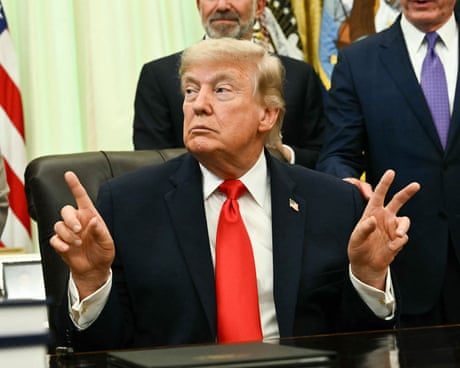
On 28 May, US President Donald Trump issued a series of contradictory statements regarding negotiations with Iran. After threatening 'very hard' strikes and pledging to seize Kharg Island, Trump hours later declared that he had canceled the planned military action and announced that a peace agreement was imminent, potentially to be signed in Europe that weekend. The whiplash moves came amid ongoing talks aimed at converting a fragile April ceasefire into a permanent arrangement. The core of the negotiations is a limited Memorandum of Understanding (MoU) focused on reopening the Strait of Hormuz. Key sticking points include Iran's demand for the upfront release of a $24bn tranche of its $100bn in frozen assets, and US insistence on concrete nuclear parameters such as a 15-year enrichment moratorium and disposal of highly enriched uranium stockpiles, while Tehran presses for only vague nuclear references and deferred Geneva talks. Iran reacted sceptically, stating no deal was imminent, but oil prices fell below $90 per barrel in response to Trump's optimistic signals.
Key Actors
- ·Donald Trump(President of the United States)Alternated between threatening military strikes on Iran and declaring a peace deal close, confirming the cancellation of an evening attack and promising to ensure Iran will never have a nuclear weapon.
- ·Iran(Negotiating counterpart)Expressed scepticism, insisting no deal is imminent; demanded upfront release of $24bn in frozen assets and only vague nuclear language in a limited MoU.
- ·US officials(Unnamed US negotiators)Pushed for a 15-year uranium enrichment moratorium, disposal of highly enriched uranium, and a phased reward system, while exploring a Gulf state credit line as a workaround for frozen assets.
Why It Matters
The chaotic diplomatic signals reflect the high stakes of US-Iran relations, where a deal could stabilize the Strait of Hormuz and global oil markets, but continued brinkmanship risks military escalation and economic turmoil. The negotiations test whether a limited, trust-deficit-bridging MoU can break the cycle of threats and broken agreements, especially after the US abandoned the 2015 nuclear deal and Iran's supreme leader was killed in a US-Israeli strike in February. The outcome will influence regional security, non-proliferation efforts, and market predictability.
Watch For
Whether a signing ceremony takes place in Europe as suggested by Trump. Monitor oil futures for sudden moves and any confirmation of a Gulf state issuing a credit line against $100bn in frozen Iranian assets. Watch for concrete language on nuclear parameters in the MoU, and whether the deal defers enrichment limits and stockpile disposal to subsequent Geneva talks. Also track any resumption of threats or tit-for-tat strikes if negotiations stall.
Generated 11d ago · Based on full articleAuto-Compiled
This page aggregates and summarizes reporting from The Guardian Middle East. The Conflict Pulse does not author original reporting. Read the original source for full coverage.
CONFLICT OVERVIEW
Iran
Latest verified updates on Iran’s regional confrontation, U.S.–Israeli strikes, missile retaliation, proxy networks, sanctions, and Strait of Hormuz risks.
SOURCE PERSPECTIVES
How outlets across the bias spectrum are covering this conflict.
LATEST FROM IRAN